By Ahmed Khan, International Correspondent:
Islamabad, January 4, 2026 – As the world reels from the dramatic US capture of Venezuelan President Nicolás Maduro in overnight strikes, a quieter question is buzzing in energy-dependent nations like Pakistan: Could this mean lower petrol prices at home?
With Maduro now in New York facing narco-terrorism charges, President Donald Trump has vowed American forces will “run” Venezuela temporarily, prioritizing the revival of its crumbling oil industry—the world’s largest reserves, over 300 billion barrels strong. US companies are set to step in, repairing neglected fields and boosting output that sanctions and mismanagement had throttled to a trickle.

Smoke rises over Caracas following reported US strikes on military targets.
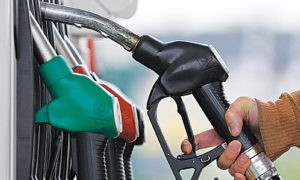
For ordinary Pakistanis, battered by soaring fuel costs amid economic woes, this could spell relief. “Petrol is eating half my salary,” says Lahore rickshaw driver Imran Ali, 38, who supports a family of five. “If prices drop even a little, I can finally afford school fees for my kids without skipping meals.” Pakistan imports nearly all its oil, and global prices directly hit pumps here—recent spikes pushed diesel above Rs 280 per litre, crippling transport and inflation.
Analysts say a stabilized Venezuelan supply could flood markets, potentially slashing crude prices by 10-20% in coming months. That’s a lifeline for Pakistan’s fragile economy, easing the import bill and curbing inflation that haunts millions.
But it’s not all optimism. Critics warn of prolonged instability, echoing Iraq’s chaos post-2003 invasion. Venezuelan loyalists mobilize, and allies like Russia and Iran condemn the move as “imperialism.” Back in Caracas, families like that of shopkeeper Luisa Ramirez mourn lost stability: “We feared Maduro, but now we fear war.”
As Trump promises a “judicious transition,” Pakistan watches closely—hoping Venezuelan black gold turns into cheaper fuel on our roads, without igniting wider flames.