By Dr. Muhammad Ahmed Farooqui:
Pakistan’s universities are waiting — and many of them are anxious.
With the Higher Education Commission (HEC) close to appointing its next chairperson, the shortlisting of four candidates from more than 500 applicants has sparked conversations that go far beyond bureaucracy. For teachers, students, and university administrators, this decision feels personal. It will shape how classrooms function, how research is valued, and whether graduates find meaningful jobs in a rapidly changing world.
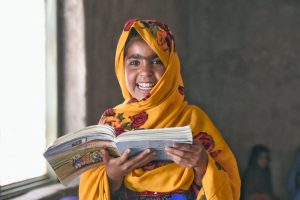
For years, most HEC leaders have come from large, powerful universities in major cities. Those institutions have resources, influence, and visibility. But the reality on the ground is different for the majority of Pakistan’s universities — smaller campuses in remote districts, struggling to stretch limited budgets and support students who often arrive underprepared yet deeply hopeful.
Faculty in such institutions describe juggling outdated labs, overcrowded classes, and limited training opportunities. Many say national policies often fail to reflect their day-to-day realities. That is why there is growing demand for leadership that has actually worked inside these environments and understands what survival — not just strategy — looks like.
The question of representation is also part of the debate. With Khyber Pakhtunkhwa already present in senior HEC roles, there is a strong feeling that choosing a chairperson from Balochistan would send an important message: that every province has a stake in shaping the future of higher education, and that the center listens.
At the same time, the world outside Pakistan’s campuses is transforming. Artificial intelligence, automation, and digital innovation are redefining jobs and economies. Many academics believe the next HEC leader must bring international exposure — and the confidence to introduce practices that encourage innovation, collaboration with industry, and real-world problem solving.
Parents and students constantly ask a simple question: Will this degree lead to opportunity? Employers frequently complain that graduates lack critical thinking, creativity, and practical skills. Reforming curricula, encouraging entrepreneurship, and replacing rote learning with active learning are no longer optional — they are urgent.
The next HEC chairperson will inherit shrinking budgets, governance disputes, and high expectations. But they will also inherit something else: the hopes of thousands of young Pakistanis who believe education is their path forward.
This appointment is more than a change in office. It is a test of whether Pakistan is ready to build a higher education system that is inclusive, modern, and truly national in spirit.
Universities are watching closely — and so are the students whose futures depend on what happens next.
The author is an educationist and Ex-Director Of COMSATS Islamabad