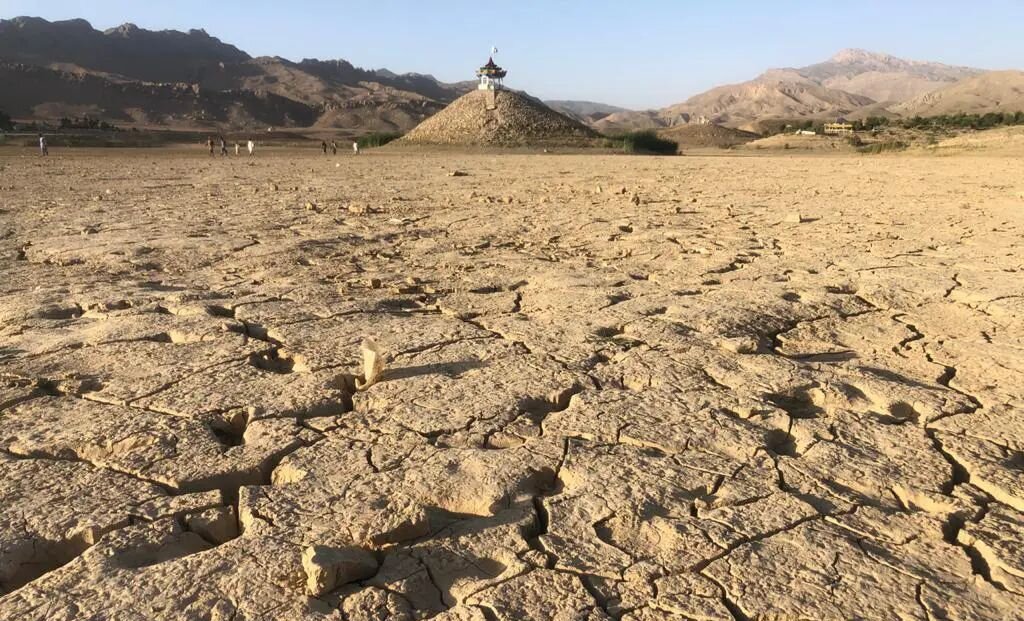
Zia Ud Din: Pakistan contributes less than one percent to global carbon emissions, yet it consistently ranks among the countries most exposed to climate-induced disasters. This imbalance is not merely an environmental concern; it reflects governance dilemma rooted in a weak institutional coordination and limited adaptation planning.
Climate change is one of the most pressing challenges of the modern era, adversely affecting societies at multiple levels. Rising temperatures, droughts, irregular weather patterns, sea-level rise, melting glaciers, floods, and water insecurity demonstrate its far-reaching global consequences. Since these impacts transcend national borders, climate change is inherently a global challenge. Along with other developing nations, Pakistan remains highly vulnerable. In 2024, Pakistan recorded its ninth warmest year in the last 64 years, with an average temperature of 23.52°C and rainfall levels 31 percent above the historical average. This highlights the urgency of collective international action.
For Pakistan, however, climate vulnerability is compounded by governance constraints. Fragmented institutional coordination, weak policy implementation, and limited emphasis on adaptation have reduced the state’s capacity to respond effectively. Consequently, the climate crisis in Pakistan reflects not only environmental stress but also persistent governance failures.
Climate change refers to long-term shifts in global weather patterns and temperatures, primarily driven by human activities. According to United Nations findings, excessive greenhouse gas emissions have intensified heat retention in the atmosphere. Gases such as carbon dioxide, methane, and nitrous oxide have thickened the atmospheric blanket, largely due to deforestation, fossil fuel consumption, and rapid industrialization.
One of the most visible consequences of climate change is rising global temperatures. The Copernicus Climate Change Service reported that average global temperatures in 2024 exceeded pre-industrial levels by 1.52°C. This warming has intensified heatwaves, prolonged droughts, and increased wildfire risks. Rising temperatures have also disrupted weather systems, leading to irregular rainfall, intense storms, and stronger hurricanes.
Another major consequence is sea-level rise. Oceans absorb nearly 90 percent of excess heat caused by greenhouse gas emissions, leading to thermal expansion. Simultaneously, melting glaciers and ice sheets contribute to rising sea levels. According to Encyclopedia Britannica, global sea levels have risen by approximately 21 to 25 centimeters since 1880, threatening coastal livelihoods and infrastructure.
Climate change has also intensified water scarcity, a growing global concern. Pakistan is already a water-stressed country, and climate variability has further exacerbated this challenge. A report by the Pakistan Institute of Development Economics places Pakistan among the most water-risk-prone nations. Water scarcity places immense pressure on agriculture, industry, and households, undermining economic stability and food security.
Despite contributing minimally to global emissions, Pakistan bears a disproportionate share of climate-related losses. The Global Climate Risk Index ranks Pakistan among the most vulnerable countries to climate change. The 2022 floods alone caused an estimated economic loss of $40 billion and claimed at least 1,700 lives. More recently, monsoon floods in 2025 resulted in over 1,000 deaths.
Given these realities, climate adaptation is no longer an academic debate but a strategic necessity.
Mitigation remains essential to limit future warming through reduced greenhouse gas emissions. Transitioning from fossil fuels to renewable energy sources such as solar, wind, and hydropower is critical.
Equally important is adaptation. Since climate impacts are already unavoidable, societies must strengthen resilience. Investment in climate-resilient infrastructure, improved urban planning, and effective water management is vital.
Global cooperation remains the third pillar of climate response. Climate change transcends borders and requires collective responsibility. Developed nations must honor climate finance commitments and support vulnerable countries in adaptation efforts.
For Pakistan, effective climate governance is central to resilience. Addressing financing constraints, strengthening legislation, improving federal–provincial coordination, and prioritizing adaptation over rhetoric are critical steps.
Climate change presents urgent challenges that demand immediate action. Without decisive reforms in climate governance and a strategic shift toward adaptation, Pakistan will continue to pay an unjust price for a crisis it did little to create.
The author can be reached at: dinziaud19@gmail.com