Monitoring Desk, News Agencies:
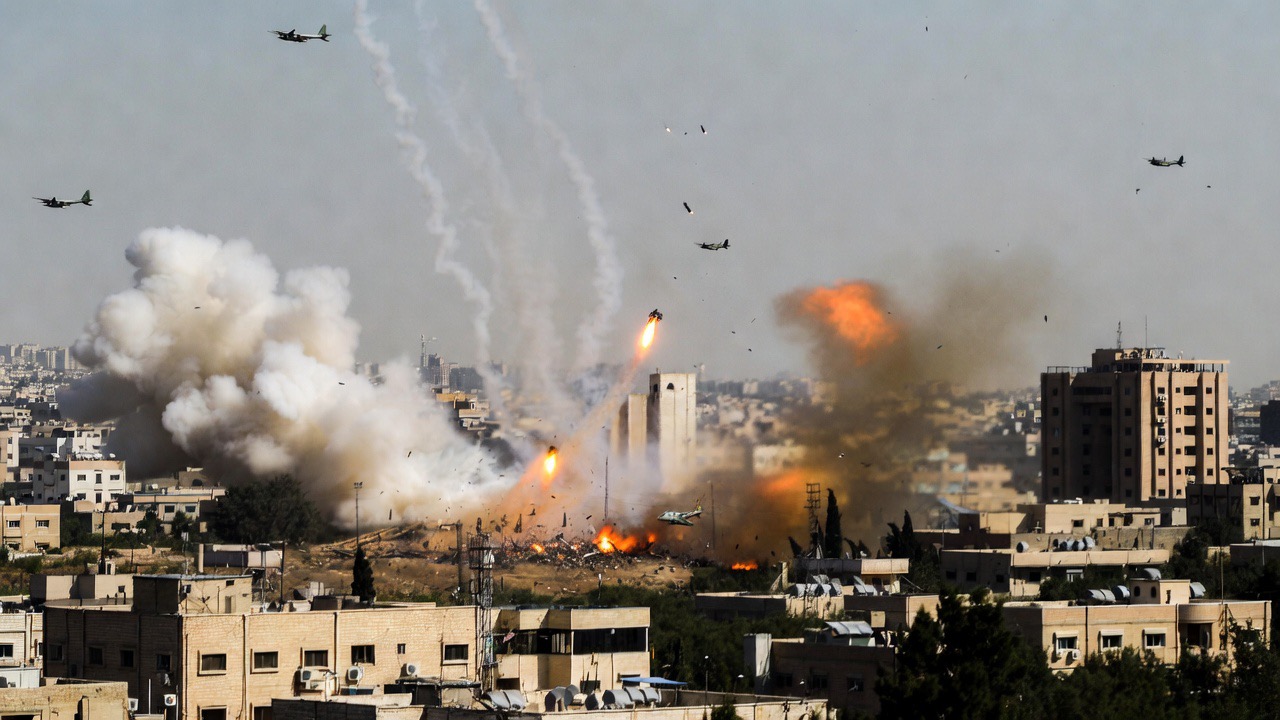
Tehran / Tel Aviv / Doha — In response to ongoing US and Israeli airstrikes across Iran on February 28, 2026, Tehran has unleashed multiple waves of ballistic missiles and drones targeting Israel and key US military installations in the Middle East.
Iran’s Islamic Revolutionary Guard Corps (IRGC) described the operation—dubbed “Truthful Promise 4”—as a firm defense against what it calls unprovoked aggression. Explosions and air defense activity have been reported from Israel to several Gulf nations hosting American forces.
Key Targets of Iran’s Retaliation
• Israel: Several barrages, including dozens of ballistic missiles (e.g., Emad, Ghadr types), aimed at central and northern areas. Israel’s multi-layered defenses (Iron Dome, Arrow) intercepted the majority, but some impacts caused limited damage, such as destroyed vehicles in Rosh Haayin and a hit on a residential building or nine-storey structure in northern Israel.
• US Military Bases and Allies:
• Qatar: Al Udeid Air Base (major US hub).
• Bahrain: US 5th Fleet headquarters (Naval Support Activity Bahrain targeted directly).
• United Arab Emirates (UAE): Al Dhafra Air Base; reports of debris or strikes near Dubai (including a luxury hotel in Palm Jumeirah) and Abu Dhabi.
• Kuwait: Ali Al Salem Air Base and other sites.
• Jordan: Interceptions reported.
• Other mentions: Potential activity toward Saudi Arabia, though unconfirmed in most sources.
Most incoming threats were intercepted by US, Israeli, and local defenses, resulting in minimal operational disruption to bases.
Casualty Figures from Iran’s Strikes
Casualties from Iran’s retaliation have been relatively low compared to the scale of launches, thanks to effective defenses:
• Israel: Around 89 people treated for light injuries (mostly shrapnel, blast effects, or panic-related), according to Magen David Adom. No major fatalities widely confirmed yet; some reports note 3 direct injuries or isolated cases.
• UAE: One civilian death (from falling debris in Abu Dhabi; one Asian nationality reported); 4 injuries in Dubai (e.g., at a hotel incident).
• Other Gulf States: Limited or no confirmed casualties (e.g., interceptions in Qatar, Bahrain, Kuwait minimized harm; some shrapnel or minor incidents).
• US Personnel: No reported deaths or combat-related injuries at bases, per US Central Command (CENTCOM) and officials.
These figures are preliminary and could change as assessments continue. No widespread reports of heavy losses on the receiving side.
The Human Impact
The exchanges have brought fear to everyday life across borders. In Israel, families dash to shelters as sirens sound, parents holding children close while explosions echo from interceptions—reminders of vulnerability in a tense region. Gulf residents near bases describe sudden jolts: windows rattling in Bahrain, panic in Dubai streets after debris falls, or uncertainty in Qatar as alerts blare.
For many, this escalation compounds existing hardships—economic pressures, past conflicts, or daily routines shattered by war’s unpredictability. A Dubai local might worry about loved ones near impact sites, while an Israeli civilian shelters again, hoping for calm.
Current Status (Late February 28, 2026 PKT)
Strikes in Iran persist, with Israel confirming continued operations. Iran has signaled potential for more responses, though degraded missile capabilities from earlier hits may limit scope. Markets fluctuate (oil prices up), flights disrupted, and global calls for restraint grow, but the situation remains highly volatile.