Syed Ali Shah, Zeeshan Ahmed:
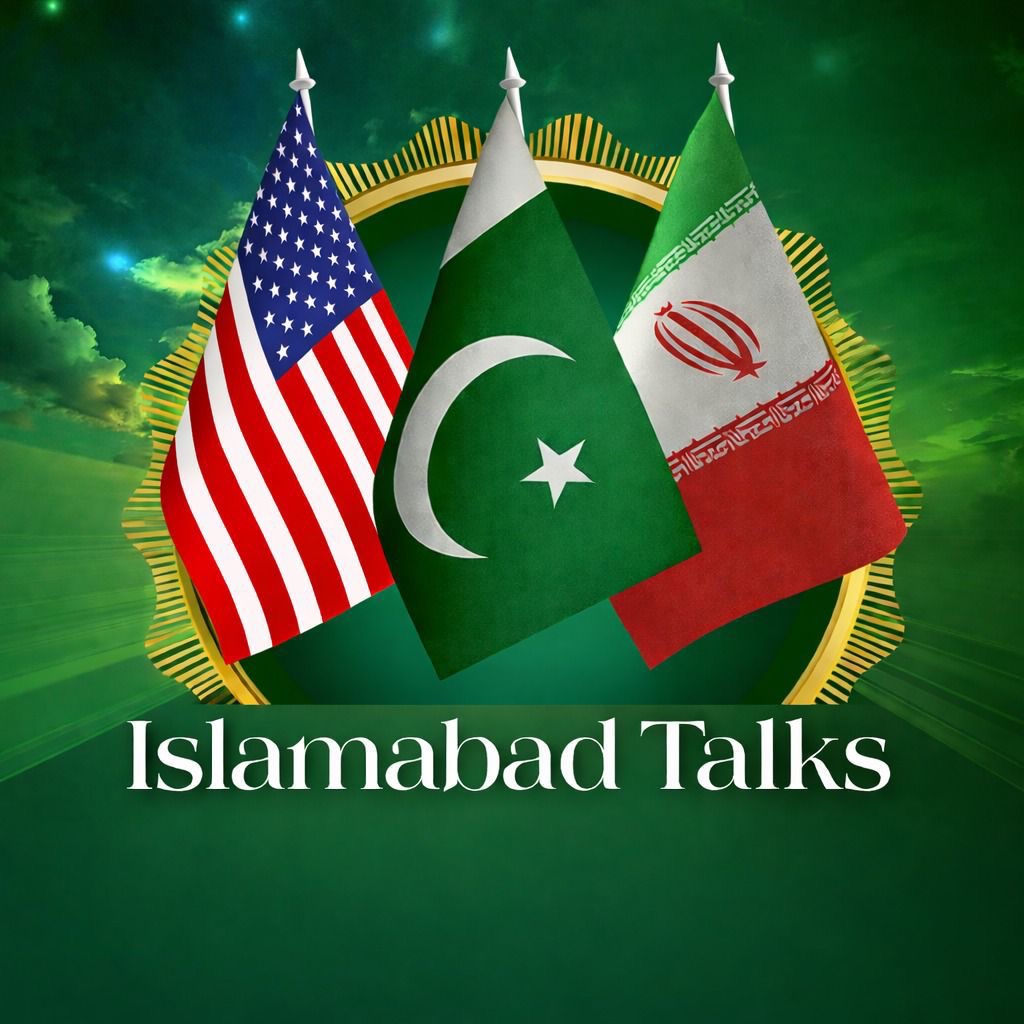
Islamabad, April 10, 2026 – The streets of Pakistan’s capital are quieter than usual today, but the air is thick with anticipation. After weeks of frantic back-channel diplomacy, high-level delegations from the United States and Iran have begun arriving in Islamabad for face-to-face talks aimed at turning a fragile two-week ceasefire into a lasting peace agreement.
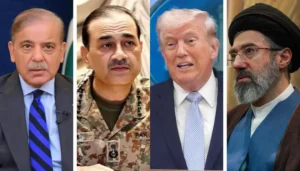
Pakistan, often thrust into the spotlight for challenges rather than triumphs, has emerged as the unlikely but trusted host. Prime Minister Shehbaz Sharif personally extended the invitation to both sides just days after helping broker the temporary truce that paused open conflict. The goal is simple yet monumental: settle disputes, stabilise the region, and prevent further escalation that has already rattled global oil markets and raised fears across the Middle East.
US Vice President JD Vance is leading the American team, joined by senior advisers. On the Iranian side, Parliament Speaker Mohammad Baqer Qalibaf and Foreign Minister Abbas Araghchi are heading the delegation. Formal negotiations are expected to kick off over the weekend, building on Iran’s 10-point proposal that includes sanctions relief and security guarantees.
For ordinary Pakistanis, the moment feels deeply personal. Families in Rawalpindi and Islamabad watched armoured convoys roll through cordoned streets this morning. Shopkeepers near the Red Zone say they’re hopeful a stable region could finally bring down fuel prices and open new trade doors. “We’ve seen enough wars,” one resident told reporters. “If Pakistan can help bring peace, it’s something our children will remember.”
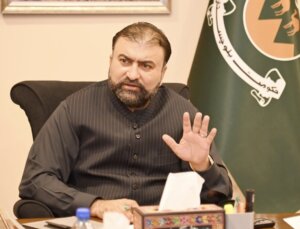
Security is unprecedented. Interior Minister Mohsin Naqvi has ordered a near-total lockdown, public holiday, traffic diversions, and round-the-clock readiness at hospitals. Visa-on-arrival facilities have been fast-tracked for delegates and journalists to keep the focus on substance, not logistics.
Challenges remain real. Fresh reports of tensions in Lebanon and mixed signals from Tehran have added uncertainty. Yet both sides have shown willingness to talk, and Islamabad’s quiet efforts—backed by China, Saudi Arabia, and others—have already delivered the first ceasefire in months.
As delegations settle in behind closed doors, the world is watching. For Pakistan, this is more than hosting talks—it’s a chance to prove that diplomacy born in our capital can reshape the future of an entire region.
What do you think these negotiations mean for Pakistan and the Middle East? Share your views in the comments.