Bashir Niechari:
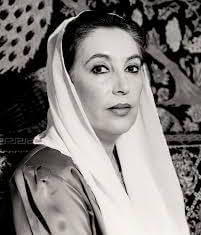
In the story of nations, some figures transcend their personal identity and come to represent an entire era. Shaheed Mohtarma Benazir Bhutto stands among those rare names — a leader whose memory brings pride, inspiration, and an enduring sense of loss. From a young age, she confronted the realities of power, exile, imprisonment, and sacrifice, embracing politics not as privilege, but as duty.
The execution of Shaheed Zulfikar Ali Bhutto placed an extraordinary burden of leadership on her shoulders while she was still very young. Instead of retreating, Benazir chose defiance over fear and perseverance over silence. Neither prison walls nor exile broke her determination.
Her influence extended far beyond Pakistan’s borders. On the world stage, Benazir Bhutto earned respect as a defender of democratic values and human rights. Honors from international institutions, recognition from global leaders, and her celebrated appearance at the Oxford Union all reinforced her reputation as a visionary voice for the developing world. These acknowledgments reflected both her intellect and her unwavering political struggle.
When she took oath as Pakistan’s first woman prime minister in 1988, it was more than just a change of government — it was a defining moment in history. She emerged as a symbol of women’s leadership not only in Pakistan, but across the Muslim world. Reconciliation, respect for constitutional order, and tolerance formed the essence of her political approach, rather than bitterness or revenge.
Although she assumed office twice, she was denied the opportunity to complete her terms. Even then, Benazir Bhutto remained committed to democratic principles. During moments of political crisis, including the no-confidence motion, she refused to undermine parliament or weaken democratic institutions.
She believed that true authority must rest with the people, not be concentrated in the state. For her, democracy could not exist alongside poverty, injustice, and deprivation. Guided by this vision, she introduced policies aimed at empowering women, workers, and disadvantaged communities. Initiatives such as women police stations, the Women’s Bank, the Lady Health Workers Programme, and social-economic reforms addressed longstanding inequities and opened new opportunities.
The global media regarded her as a poised and courageous leader who spoke the language of democracy, rights, and dialogue. Through her, the world witnessed a Pakistan striving toward constitutional order and political inclusion.
Her final speech at Liaquat Bagh in Rawalpindi still resonates — a message of hope, defiance, and commitment to constitutional struggle. Her assassination was a devastating blow to the nation, but the ideals she championed continue to shape Pakistan’s democratic conversation.
Though Benazir Bhutto is no longer physically present, her legacy — anchored in constitutional supremacy, tolerance, and trust in the people — remains a guiding force for Pakistan’s political journey today.
The writer is a PPP worker and can be reached out
@BashirNichari1