Editorial:
Balochistan’s decision to train 772 former Levies personnel under the Balochistan Police is not merely an administrative reform — it is a historic correction. For more than a century, security in large parts of the province relied on a tribal policing system introduced by Sir Robert Sandeman nearly 142 years ago — effectively one and a half centuries back. That system was designed around tribal customs, collective responsibility, and informal dispute resolution, not contemporary law enforcement.
While the Levies force earned respect within local communities, it was never equipped — nor trained — for the complexities of today’s crime, terrorism, digital threats, and urban policing. Many of these officers have never undergone structured, professional police training. Expecting them to perform modern policing duties without proper preparation is unfair to them — and unsafe for the public.
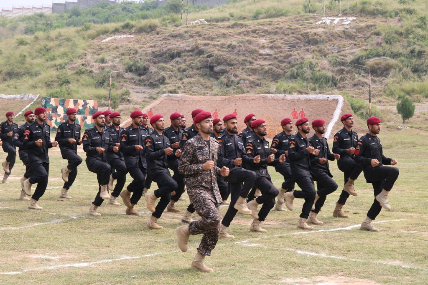
This is why the ongoing program at Police Training College Quetta is critically important. It must go beyond parade drills and weapons handling. The former Levies personnel need comprehensive training in investigation standards, human rights, evidence preservation, intelligence-led policing, community engagement, and the ethical use of authority.
Equally important is training in First Information Reports (FIRs), complaint handling, victim support, and documentation — the backbone of justice. Without accuracy at the first point of contact, the entire legal chain collapses.
Upgraded hostels, mess facilities, sports grounds, and structured welfare support are welcome steps. A secure, dignified environment produces confident officers — and confident officers make better policing decisions.
However, modernization must remain continuous, not symbolic. Training must be supported with modern equipment, digital crime management tools, body cameras, forensic support, and performance accountability. Most importantly, officers should learn that policing today is not simply force — it is law, service, and trust.
Balochistan stands at a turning point. Transforming former Levies into professional, community-oriented police officers can rebuild public confidence, improve crime prevention, and strengthen rule of law across the province. But success depends on sustained investment and a mindset shift — from tribal guardianship to professional policing.
Reform is never easy. But in this case, it is necessary — and long overdue.