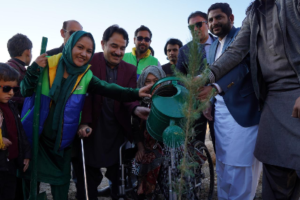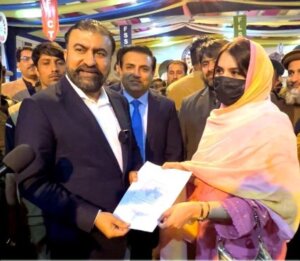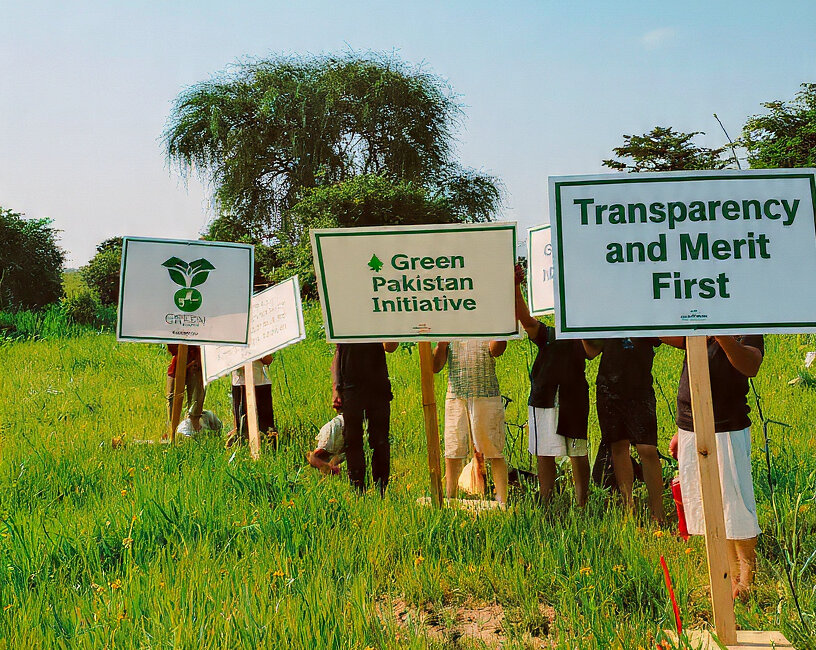
Editorial: The Balochistan government’s decision to disburse Rs3.2 billion in interest-free agricultural loans to 847 farmers under Phase II of the Green Pakistan Initiative marks a significant policy intervention at a time when the province’s rural economy is under pressure. Announced by Mir Sarfraz Bugti, the initiative aims to bring more than 35,600 acres of land under cultivation, an ambition that, if realized in both letter and spirit, could meaningfully transform agricultural productivity and rural livelihoods.
There is no doubt that interest-free credit is a powerful tool for farmers who have long remained dependent on expensive informal borrowing. By reducing this burden, the government is not only easing immediate financial stress but also encouraging farmers to invest in better inputs, improved practices, and sustainable cultivation. In a province where agriculture remains the backbone of rural employment, such measures can strengthen food security and contribute to long-term economic stability.
The success of Phase I, during which Rs6.85 billion was extended to 257 farmers, has rightly been cited as the foundation for expanding the program. Positive outcomes from the initial phase demonstrate that well-designed public financing can yield tangible results. However, scaling up also brings new challenges, chief among them transparency, accountability, and equitable access.
As Phase II unfolds, it is essential that the loan distribution process remains fully transparent and insulated from favoritism. Public confidence in such initiatives depends on clear criteria, open verification mechanisms, and timely disclosure of beneficiaries. Deserving candidates, particularly smallholders and genuinely low-income farmers, must remain the central focus, rather than politically connected or influential individuals.
The introduction of the Kissan Card for small and poor farmers is a step in the right direction, offering a structured and traceable way to access financial support. Yet even this mechanism must be continuously monitored to ensure that it serves its intended purpose and does not become another bureaucratic hurdle or conduit for misuse.
Ultimately, the Green Pakistan Initiative has the potential to reshape Balochistan’s agricultural landscape. But its long-term success will be judged not only by the amount of money disbursed or acreage brought under cultivation, but by how fairly, transparently, and merit-based these resources are allocated. If transparency is institutionalized and deserving farmers are kept at the center, this initiative can become a genuine catalyst for inclusive rural development rather than just another well-intentioned policy headline.