Syed Ali Shah, News Desk:
1. Two Years Without Rainfall
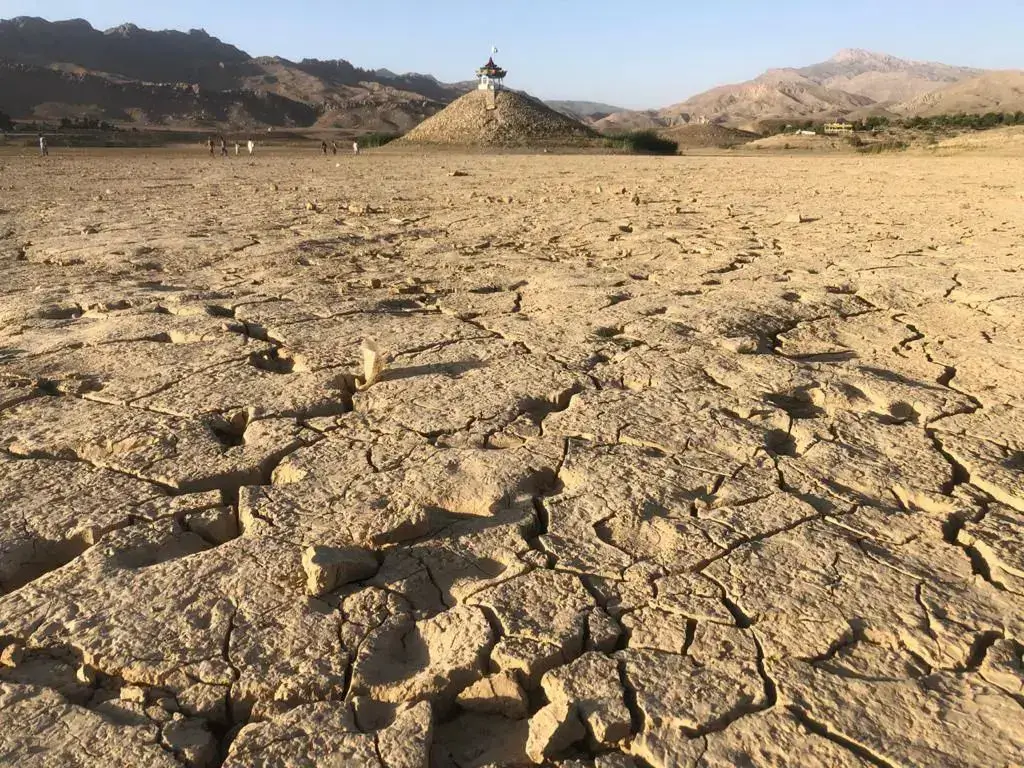
Balochistan is grappling with a catastrophic drought-like situation as the province enters its second consecutive year without meaningful rainfall. What was once a region known for its seasonal greenery and natural water channels has now turned into an expanding belt of dry, cracked earth. The prolonged absence of rain has pushed several districts into a state of near-emergency.
2. Green Valleys Becoming Deserts
Areas traditionally known for orchards, grazing fields, and natural springs are rapidly losing their vegetation cover. Lands that once sustained livelihoods are now barren, raising fears that Balochistan may be moving towards irreversible desertification if immediate action is not taken.
3. Water Levels Plummeting Across Districts
Groundwater levels have dropped to unprecedented depths. Many tube wells have dried up completely, and traditional karezes are no longer functional. Residents say that even after drilling several hundred feet, water remains out of reach.
4. People Forced to Migrate for Survival
The worsening water crisis has forced hundreds of families to leave their homes. Villagers describe the situation as “life-or-death,” as they pack their belongings and migrate to nearby towns in search of drinking water. Many report being misled with false promises of government support, leaving them even more vulnerable.
5. Drinking Water Scarcity Reaches Critical Stage
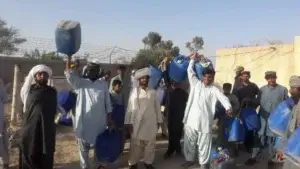
Residents across multiple districts now face a severe shortage of potable water. Water tankers—once an occasional necessity—have become the only source of survival for many communities. Prices have skyrocketed, creating a burden on low-income households.
6. Agriculture on the Verge of Collapse
Agriculture, which sustains a large portion of rural Balochistan’s economy, is collapsing under extreme conditions. Fruit orchards are drying up, livestock is perishing, and cultivable land is turning fallow. Farmers say that without water, there is “nothing left to protect.”
7. Livestock Loss Threatens Food Security
Shepherds in drought-hit areas report losing herds at an alarming rate. Water sources have vanished, and grazing fields have shrunk to dust. The decline in livestock directly threatens food supply chains and the rural economy.
8. Experts Warn of Worsening Climate Impact
Climate experts caution that Balochistan may be entering a long-term dry cycle intensified by global climate change. Without immediate measures to recharge groundwater and conserve existing resources, the region could face permanent ecological damage.
9. Public Anger Grows Over Lack of Action
Communities across the province express frustration over what they call a slow and inadequate government response. Residents argue that no meaningful steps have been taken to build small dams, regulate tube wells, or implement drought-management policies. Many accuse authorities of “waiting for disaster instead of preventing it.”
10. A Call for Urgent, Sustainable Solutions
The situation demands an urgent and coordinated response—construction of small reservoirs, revival of karezes, investment in rainwater harvesting, and introduction of drought-resistant crops. Without sustainable planning, experts warn that the humanitarian, agricultural, and economic consequences could become unmanageable.