Web Desk: Iran has firmly rejected direct negotiations with the United States during ongoing peace efforts in Islamabad, instead outlining strict conditions to end the conflict that has shaken global oil markets and regional stability.
Iranian Foreign Minister Abbas Araqchi presented Tehran’s “principled positions” in meetings with Prime Minister Shehbaz Sharif and senior Pakistani officials, stressing that Iran will not accept what it called one-sided or “maximalist” demands from Washington.
Engagement With the U.S. Will Remain Indirect
The White House had earlier confirmed that key figures, including U.S. envoy Steve Witkoff and senior adviser Jared Kushner, were expected in Islamabad to push forward diplomatic talks. However, Iran has made it clear that any engagement with the U.S. will remain indirect, with Pakistan acting as a mediator.
Tensions between the two countries remain high, especially after Iran restricted shipping through the Strait of Hormuz, a critical global oil transit route responsible for nearly one-fifth of the world’s oil supply. In retaliation, the United States has tightened restrictions on Iranian oil exports, escalating the economic standoff.
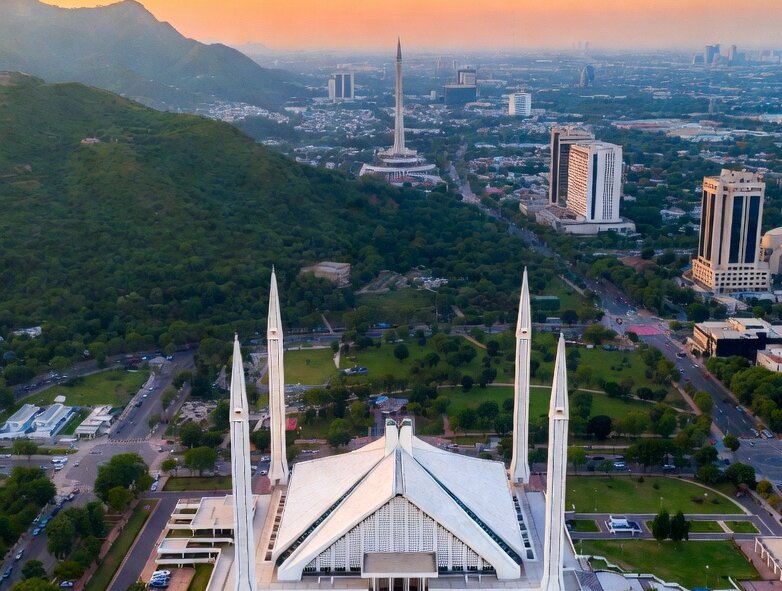
High-level Talks are Expected in Islamabad
The conflict began following U.S.-Israeli airstrikes on Iran in February, triggering a series of retaliatory attacks across the Middle East, including strikes on U.S. bases and allied regions. Although a ceasefire is currently in place, uncertainty continues to drive oil prices higher, raising fears of inflation and slowing global economic growth.
Pakistan’s role as a key mediator has gained importance as both sides remain far apart on major issues, including Iran’s nuclear program and regional security concerns. Further high-level talks are expected in Islamabad as diplomatic efforts intensify to reach a lasting agreement and prevent renewed escalation in the region.