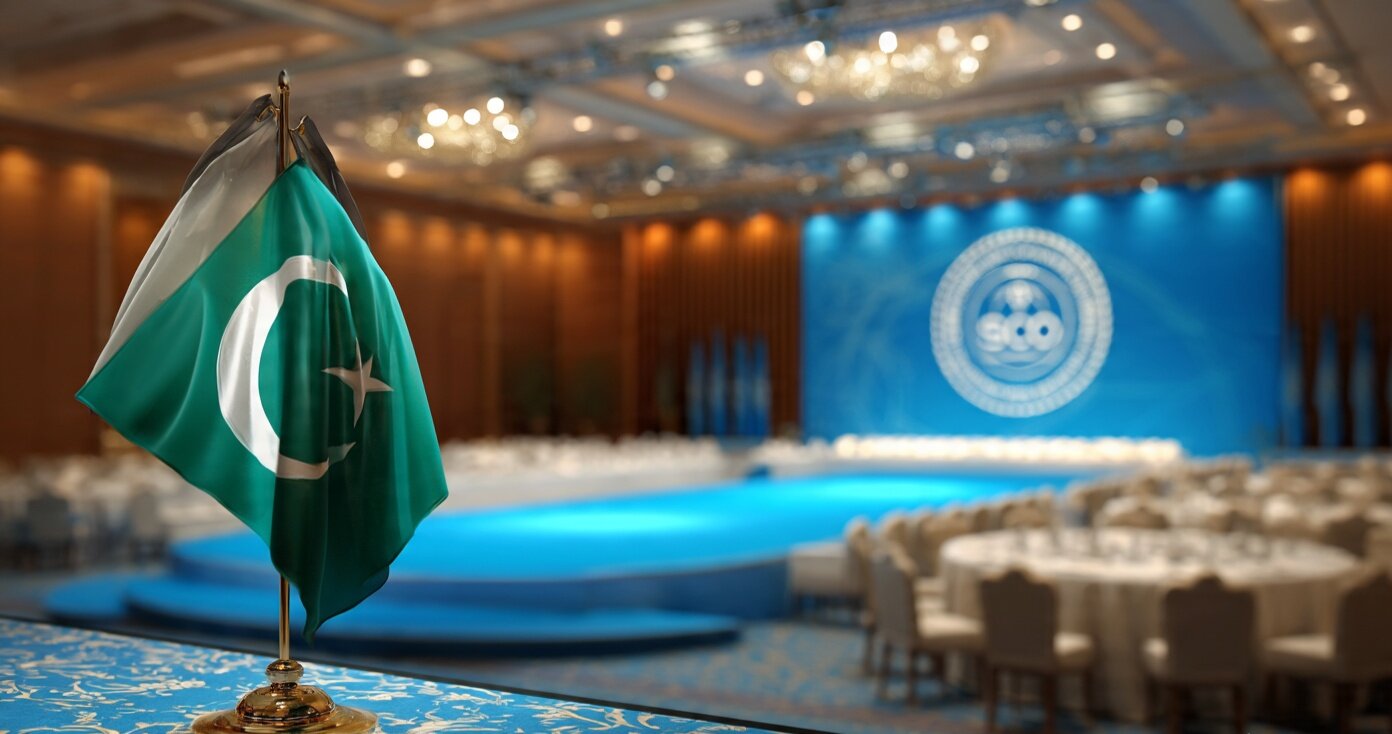
By Web Desk: Pakistan is poised to strengthen its diplomatic influence across Eurasia as it prepares to assume the chairmanship of the Shanghai Cooperation Organisation (SCO) Council of Heads of State (CHS) in September, while also securing the opportunity to host the next SCO leaders’ summit in 2027.
The development marks a significant achievement for Pakistan’s foreign policy and underscores the country’s growing role in regional diplomacy, economic cooperation, counterterrorism efforts, and connectivity initiatives among SCO member states.
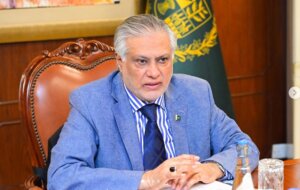
Deputy Prime Minister and Foreign Minister Ishaq Dar, speaking on the occasion of the SCO’s 25th anniversary, said Pakistan remains committed to promoting regional stability, economic integration, and constructive engagement among member countries.
Pakistan’s Rising Influence Within the SCO
Pakistan joined the Shanghai Cooperation Organisation as a full member in 2017 after years of participation as an observer. Since then, Islamabad has steadily expanded its role within the bloc, contributing to regional dialogue on security, trade, infrastructure development, and economic cooperation.
Dar said Pakistan’s upcoming assumption of the SCO Council of Heads of State chairmanship reflects the confidence member countries have placed in Islamabad’s diplomatic leadership.
The foreign minister noted that Pakistan intends to pursue a practical and results-oriented agenda focused on boosting regional trade, improving connectivity corridors, strengthening economic partnerships, and encouraging greater cultural and people-to-people exchanges across the SCO region.
Pakistan to Host High-Level SCO Summit
Hosting the SCO summit will place Pakistan at the center of one of the world’s most influential regional organizations, bringing together leaders from major powers including China, Russia, India, Iran, and Central Asian states.
Diplomatic observers view the summit as an opportunity for Pakistan to showcase its strategic importance as a bridge linking South Asia, Central Asia, and the broader Eurasian region.
The event is also expected to enhance Pakistan’s profile as a key advocate of regional cooperation and sustainable economic growth.
CPEC Highlighted as a Model for Regional Connectivity
Dar highlighted the significance of the China-Pakistan Economic Corridor (CPEC), describing it as a successful example of regional integration and cross-border economic cooperation.
He said infrastructure projects developed under CPEC demonstrate how enhanced connectivity can create new opportunities for trade, investment, energy cooperation, and economic development throughout the SCO region.
Analysts believe that stronger regional transport and trade networks could further expand economic ties among member states and contribute to long-term prosperity.
Pakistan’s Contribution to Regional Security
The foreign minister also emphasized Pakistan’s active role in regional security cooperation. He noted that Pakistan is currently chairing the SCO Regional Anti-Terrorist Structure (RATS) for 2025-26, a key mechanism designed to coordinate efforts against terrorism, extremism, and separatism.
As a country that has paid a heavy price in the fight against terrorism, Pakistan continues to support collective action aimed at improving regional peace and security.
Dar reiterated Islamabad’s commitment to strengthening cooperation against common security threats while promoting stability across the region.
Poverty Reduction, Digital Economy and Energy Cooperation
Beyond security, Pakistan is playing a leading role in several development-focused initiatives within the SCO framework. The country currently serves as the permanent chair of the SCO Working Group on Poverty Alleviation, which seeks to improve living standards and reduce socio-economic disparities among member states.
Dar also welcomed the organization’s growing focus on digital transformation, technological innovation, energy security, and the use of national currencies in bilateral trade.
According to him, these initiatives are laying the groundwork for a more resilient regional economy capable of withstanding global economic challenges.
What is the Shanghai Cooperation Organisation?
Established in 2001, the Shanghai Cooperation Organisation has evolved from a regional security forum into one of the largest intergovernmental organizations in the world. The SCO now serves as a platform for cooperation on security, trade, connectivity, energy, investment, culture, and sustainable development.
The organization consists of ten member states: China, Russia, Pakistan, India, Iran, Kazakhstan, Kyrgyzstan, Tajikistan, Uzbekistan, and Belarus. Afghanistan and Mongolia currently hold observer status.
With Pakistan preparing to take over the chairmanship and host the next leaders’ summit, the country is expected to play an increasingly influential role in shaping the SCO’s future agenda and strengthening regional cooperation across Eurasia.