By Myra Zahid:
In the dusty plains of Balochistan, where drought already strains farms and families, a
different kind of threat is moving in quietly. It cannot be seen, smelled, or stopped at
the door. It is microplastics, plastic fragments smaller than five millimeters, and
they are now turning up in the air we breathe, the soil we farm, and even inside
newborn babies.
Microplastics form when plastic waste breaks down under sun, heat, and friction. They have been
found almost everywhere scientists have looked: household dust, farmland, drinking water,
vegetables, and human tissue. The United Nations Environment Programme (UNEP) estimates that
the average person eats and breathes in roughly 39,000 to 52,000 microplastic particles every year.
In 2019, a global study commissioned by WWF International made headlines when it calculated that
people may be ingesting close to a credit card’s worth of plastic every week. The Express Tribune
carried the story for Pakistani readers, a reminder that this is not a distant problem, but one already
inside our food and water.
Pakistan’s Plastic Problem
Pakistan generates an estimated 6.41 million tons of plastic waste a year, according to the UN
Development Programme (UNDP), with the vast majority never properly collected or recycled. The
World Wide Fund for Nature (WWF) says 86 percent of the country’s plastic waste is mismanaged,
left in open dumps, burned, or washed into rivers and the sea. That puts Pakistan among the world’s
worst plastic polluters.
When this waste breaks down in open dumps, fields, and gutters, it does not disappear. It fragments
into microplastics that drift into the air or sink into the soil, eventually working their way into the
crops we eat.
Mothers and Babies at Risk
The most alarming discoveries are happening before birth. In 2020, scientists in Italy found
microplastics inside the human placenta for the first time, proof that plastic particles can pass from
a pregnant mother to her unborn child. Since then, researchers have also found microplastics in
human breast milk.
According to exposure data reported in the Journal of the Pakistan Medical Association (JPMA),
microplastics can carry toxic chemicals such as BPA and phthalates, both known to disrupt hormones.
These chemicals are linked to low birth weight and long-term developmental risks in children.
In Pakistan, a 2024 study by the University of Karachi’s Institute of Marine Science found
microplastics in the breast milk of lactating mothers in fishing communities along the Karachi coast,
where seafood is eaten almost daily. No equivalent study has yet been done in Balochistan, but the
risk factors are familiar here too: communities along the Gwadar, Pasni, and Ormara coastline depend
just as heavily on the sea, while facing even thinner access to maternal and child healthcare.
What Can Be Done
There are practical defenses. Lab tests show that fine water filters (around 0.2 microns, such as
certified reverse-osmosis systems) can remove 94 to 100 percent of plastic particles from drinking
water.
Balochistan’s Agriculture Department is already distributing seeds for home gardening. Families
growing their own vegetables on terraces or small plots, using compost instead of plastic mulch, can
cut their exposure while also improving food security.
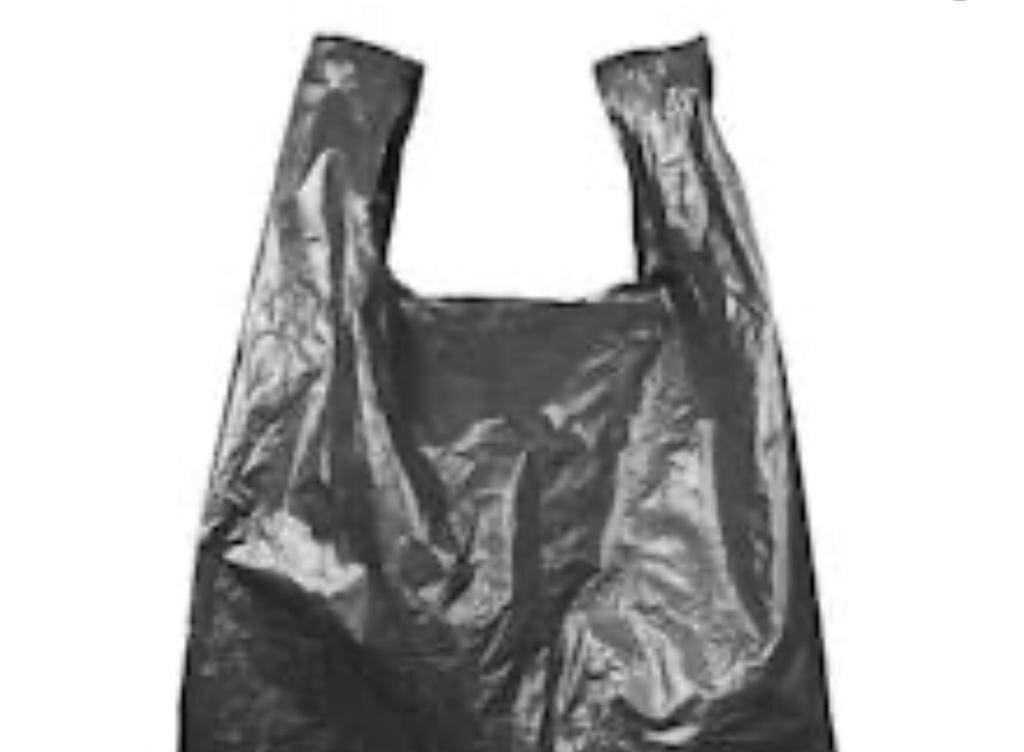
Small daily habits help too: choosing cloth bags and glass or metal bottles over plastic, never heating
food in plastic containers, and never burning plastic waste, which releases microplastics and toxic
fumes directly into the air.
A Policy Gap, and a Climate Connection
Experts say microplastic pollution needs to be treated as both an environmental and a public health
issue. That means enforcing waste management laws, banning single-use plastics and plastic
mulching in farming, and monitoring microplastics in soil, air, and food, something Pakistan
currently does very little of.
Climate change is making the problem worse. Rising heat speeds up plastic breakdown, drought
driven dust storms carry particles further through the air, and floods wash plastic waste into farmland
and waterways. Protecting mothers and children from microplastics is, in that sense, also a matter of
climate justice.
Pakistan’s progress on the UN’s Sustainable Development Goals is already behind: official data shows
reliable figures exist for less than 10 percent of SDG indicators nationally, and only 7 percent for
Balochistan. Microplastics sit at the intersection of two of those goals, SDG 13 (Climate Action) and
SDG 3 (Good Health and Well-being), yet remain almost entirely unmeasured here.
The Bottom Line
Microplastics are invisible, but the risk they carry is not. In a province already facing drought, poverty,
and stretched healthcare, this is a threat reaching the next generation before it is even born. Water
filtration, home gardens, and less plastic use can help right now. But lasting protection will need real
monitoring, enforced policy, and research — starting with the studies Balochistan still doesn’t have.