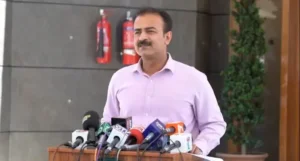
News Desk: Women’s workforce participation in Balochistan stands at just 8 per cent, compared to 43.6 per cent among men, reflecting a significant gender gap in employment and economic opportunities, Provincial Adviser for Women Development Dr Rubaba Khan Buledi said on Tuesday.
She called for evidence-based policymaking, reliable gender statistics and stronger institutional coordination to improve women’s access to employment, education, healthcare and economic opportunities.
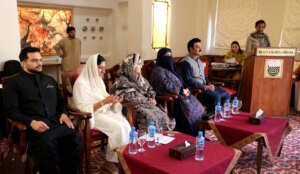
Dr Buledi shared these views while addressing a two-day training workshop on the National Gender Parity Indicators Framework in Quetta on November 3.
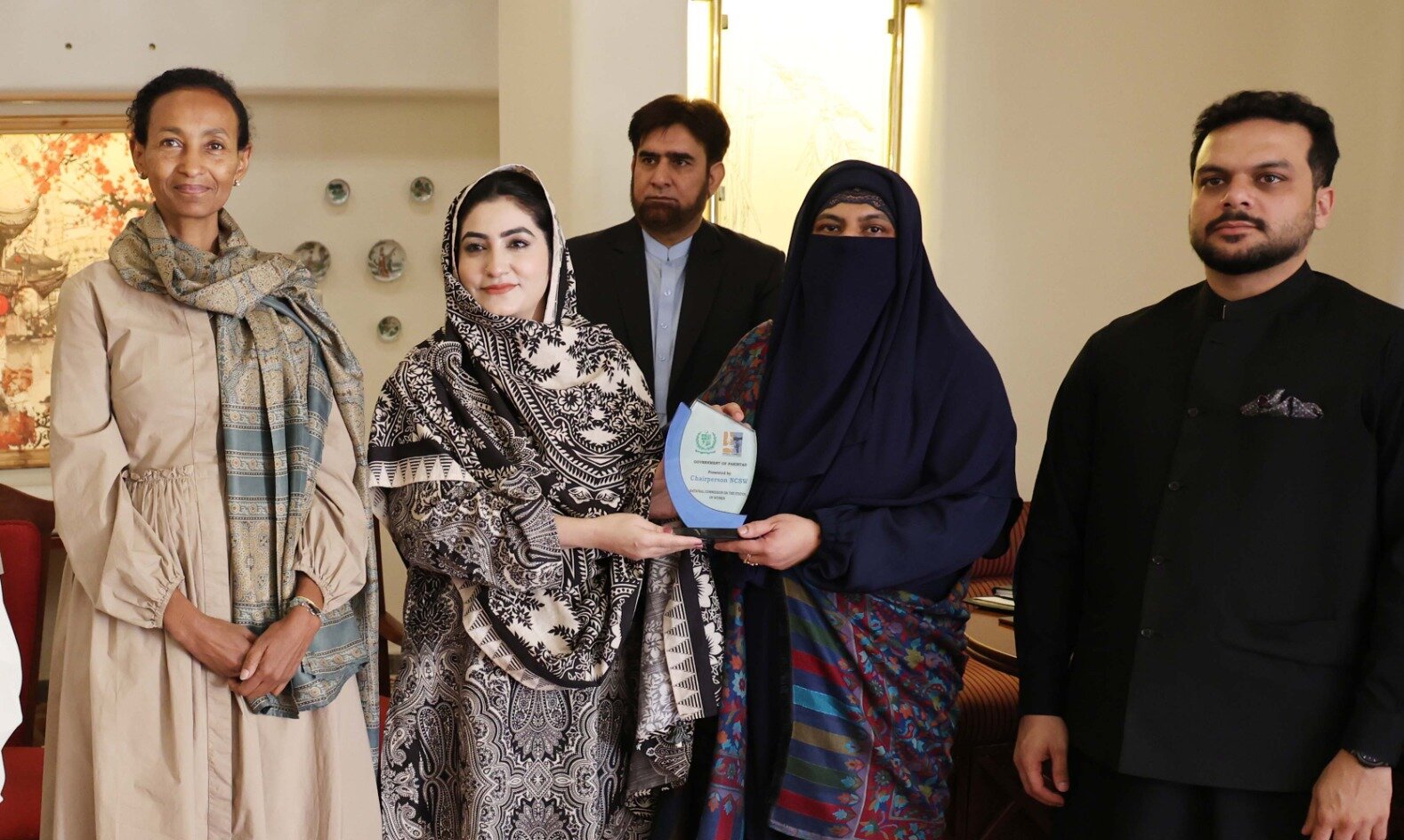
The workshop was organised jointly by the United Nations Population Fund (UNFPA), Balochistan’s Women Development Department, the National Commission on the Status of Women (NCSW) and UNICEF for relevant provincial stakeholders.
Citing the Pakistan Bureau of Statistics Labour Force Survey 2020-21, the adviser said the considerable difference between women’s and men’s participation in the labour force highlighted the need for targeted measures to increase women’s economic inclusion.
She said the National Gender Parity Indicators Framework would help identify gender disparities, assess progress and improve policymaking in education, healthcare, employment, political participation, leadership and decision-making.
Dr Buledi stressed that policies aimed at women’s empowerment must reflect the ground realities of Balochistan, taking into account differences between urban and rural areas, districts and social groups.
She said improving women’s economic independence required vocational training, business opportunities, access to financial resources, safe workplaces and supportive institutional facilities.
The adviser also emphasised the need to prevent gender-based violence, protect women’s legal and inheritance rights and increase their representation in public and administrative institutions.
She said the Balochistan government was committed to strengthening initiatives for women’s education, healthcare, protection and economic empowerment.
Dr Buledi added that the two-day training would build the capacity of government officials and other stakeholders to collect, analyse and compile gender-disaggregated data in line with national indicators.
Reliable statistics, she said, would help assess the effectiveness of development programmes, identify gaps in gender equality and improve the allocation of resources across the province.
Appreciating the cooperation of UNFPA, UNICEF and the National Commission on the Status of Women, she called for coordinated efforts among government departments, educational institutions, civil society and development partners to advance women’s rights and gender equality in Balochistan.