Syed Ali Shah, Ali Hamza:
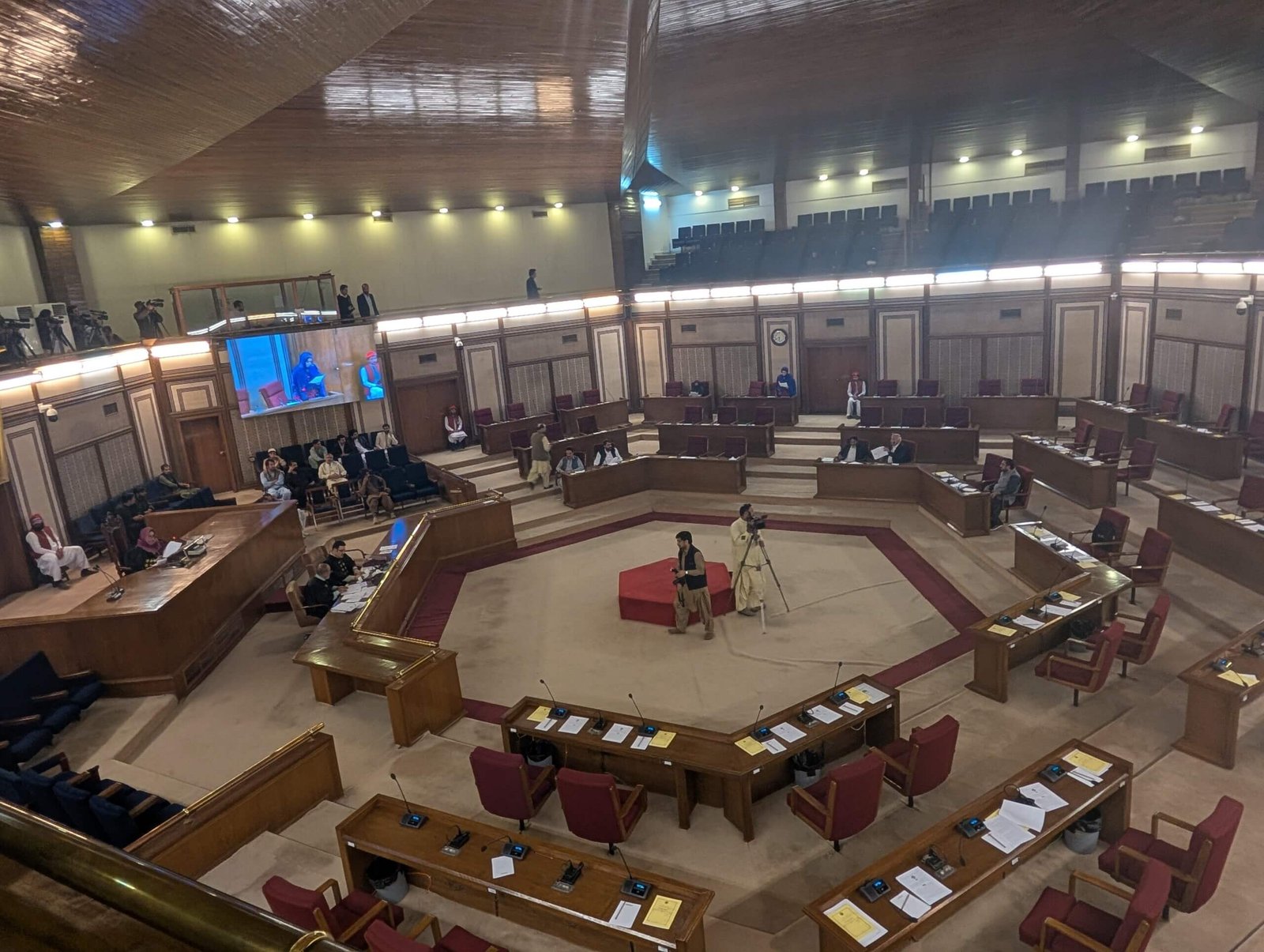
QUETTA: The Balochistan Assembly on Friday rejected a resolution calling for the strict enforcement of the 1976 Sardari System (Abolition) Act, following a closely contested 6–5 vote that highlighted deep divisions among provincial lawmakers over tribal governance and constitutional equality.
Tabled by Jamiat Ulema-e-Islam (JUI) Balochistan chief Maulana Hidayat ur Rehman, the resolution urged the provincial government to implement the historic 1976 legislation. Originally enacted under former Prime Minister Zulfikar Ali Bhutto’s Pakistan Peoples Party (PPP) administration, the law formally abolished the tribal chieftaincy system in the province.
During the assembly session, Maulana Hidayat ur Rehman alleged that despite the decades-old legal ban, certain tribal chieftains continue to operate private jails and subject citizens to torture and injustice. Emphasizing that all Pakistanis are equal under the Constitution, he demanded that the government instruct the National Database and Registration Authority (NADRA) and the media to discontinue the official use of titles such as “Nawab” and “Sardar,” arguing that such designations institutionalize social discrimination.
The motion received backing from Planning and Development Minister Mir Zahoor Buledi and National Party chief Dr. Abdul Malik Baloch. Meanwhile, Leader of the Opposition Mir Younis Aziz Zehri proposed expanding the resolution to include a call for implementing the Islamic system across Pakistan.
Conversely, Pakistan Muslim League-Nawaz (PML-N) MPA Zarak Khan Mandokhail opposed the motion, defending tribal elders by stating that Sardars actively serve their communities and should not be collectively maligned for the actions of a few individuals. When Deputy Speaker Ghazala Gola put the resolution to a vote, five lawmakers voted in favor while six opposed it, resulting in its dismissal.
Why This Matters: The Broader Context
The narrow defeat underscores an ongoing governance dilemma in Balochistan: balancing traditional tribal structures—which often serve as informal dispute-resolution mechanisms in remote areas—with modern constitutional rights and state authority. While critics argue that unchecked tribal titles perpetuate feudal inequality, supporters maintain that customary leadership remains vital for local social cohesion.