Syed Ali Shah Analysis:
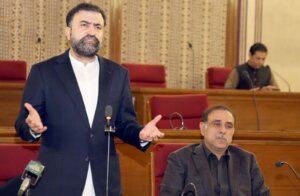
The announcement by Chief Minister Sarfraz Bugti in the Balochistan Assembly that recruitment against 25,000 vacancies will proceed on a population-based district distribution marks an important policy commitment.
Acknowledging the support of President Asif Ali Zardari, Prime Minister Shehbaz Sharif, and Field Marshal Syed Asim Munir, the provincial leadership has framed this initiative as a major step toward addressing chronic unemployment.
Yet public trust cannot rest on announcements alone; it depends entirely on how fairly and transparently these commitments are executed on the ground.
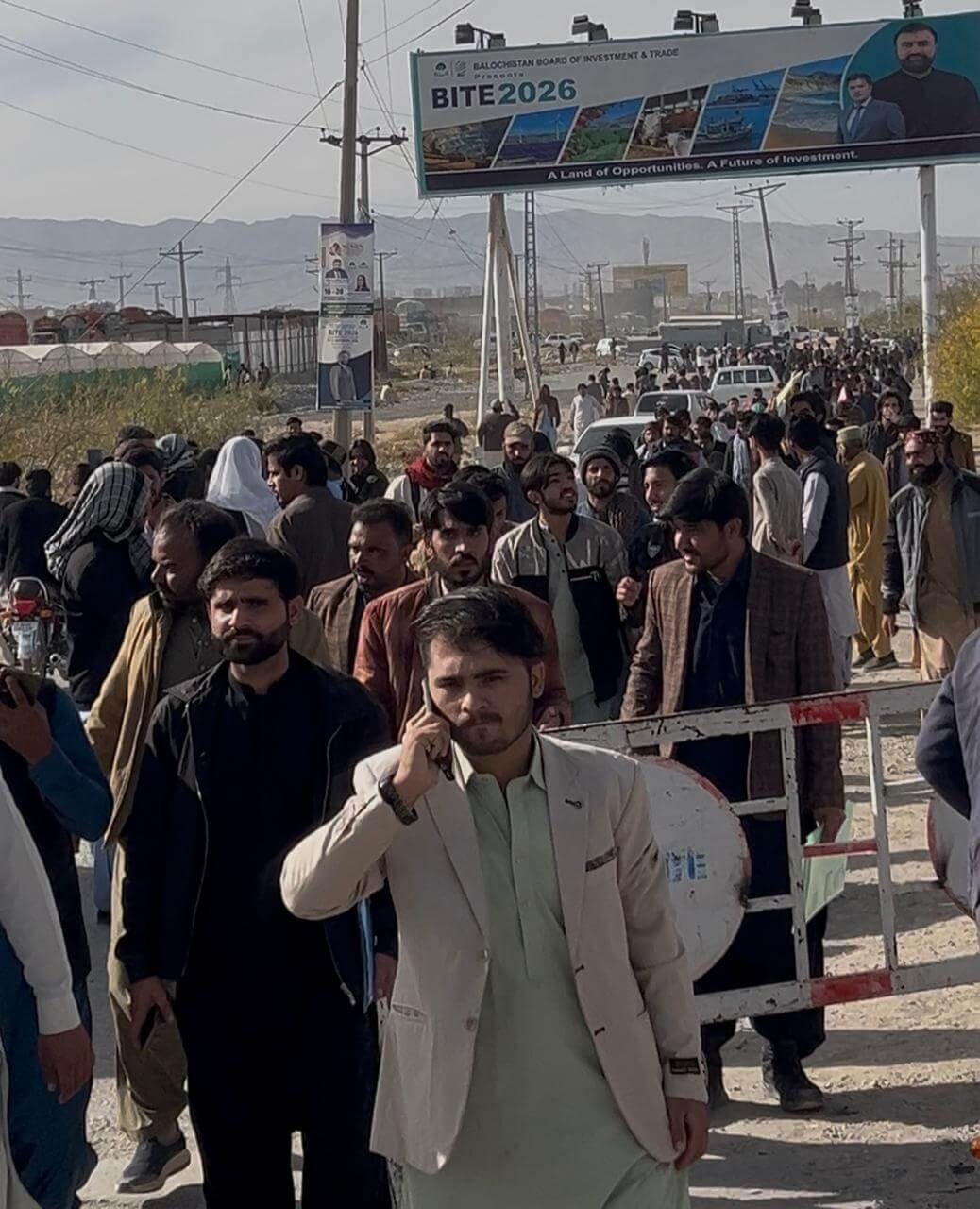
Recent protests by hundreds of candidates outside BUITEMS in Quetta over alleged mismanagement in QESCO and WAPDA interviews underscore how fragile confidence in recruitment processes remains.
While allegations of irregularities require impartial verification rather than premature judgment, the recurring frustration among applicants highlights a deeper structural concern. For years, the people of Balochistan—especially its educated, unemployed youth—have demanded a recruitment system anchored in strict merit, clear rules, and verifiable transparency.
A Shared Federal and Provincial Duty
Ensuring fair employment across Balochistan is a joint responsibility of both the federal and provincial governments.
Federal ministries, autonomous bodies, and provincial departments alike must enforce uniform standards that leave zero room for favoritism, nepotism, or political interference.
When candidates invest time, money, and hope into applying for public-sector roles, any perception of opaque procedures or preferential treatment erodes institutional credibility and deepens alienation.
True equity also demands that opportunity reach beyond major urban centers to every corner of the province. Balochistan has endured years of instability and terrorist violence that have disrupted livelihoods and stalled development. Rebuilding confidence requires tangible inclusion across every administrative tier:
- Every district must receive its rightful, transparent share of vacancies without administrative delays or manipulation.
- Every tehsil must have accessible testing, clear communication, and fair evaluation so remote applicants are not disadvantaged by geography.
- Every union council must see its youth given genuine, equal opportunity to compete solely on competence and qualification.
Turning Policy Into Credible Action
The protests in Quetta should serve as an immediate wake-up call for authorities at every level. Transparent inquiries into disputed recruitment drives, publicly accessible merit lists, and standardized, accountable interview mechanisms are essential safeguards—not optional courtesies.
Balochistan’s youth do not seek special favors; they ask for a fair system where hard work is rewarded and every citizen stands equal before the rules. If the 25,000-job initiative is to become a genuine turning point for stability and progress, both Islamabad and Quetta must ensure that the banner of merit is upheld without compromise, across every district and for every young person in the province.