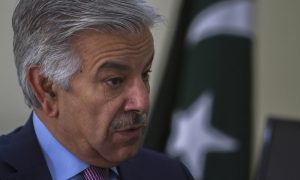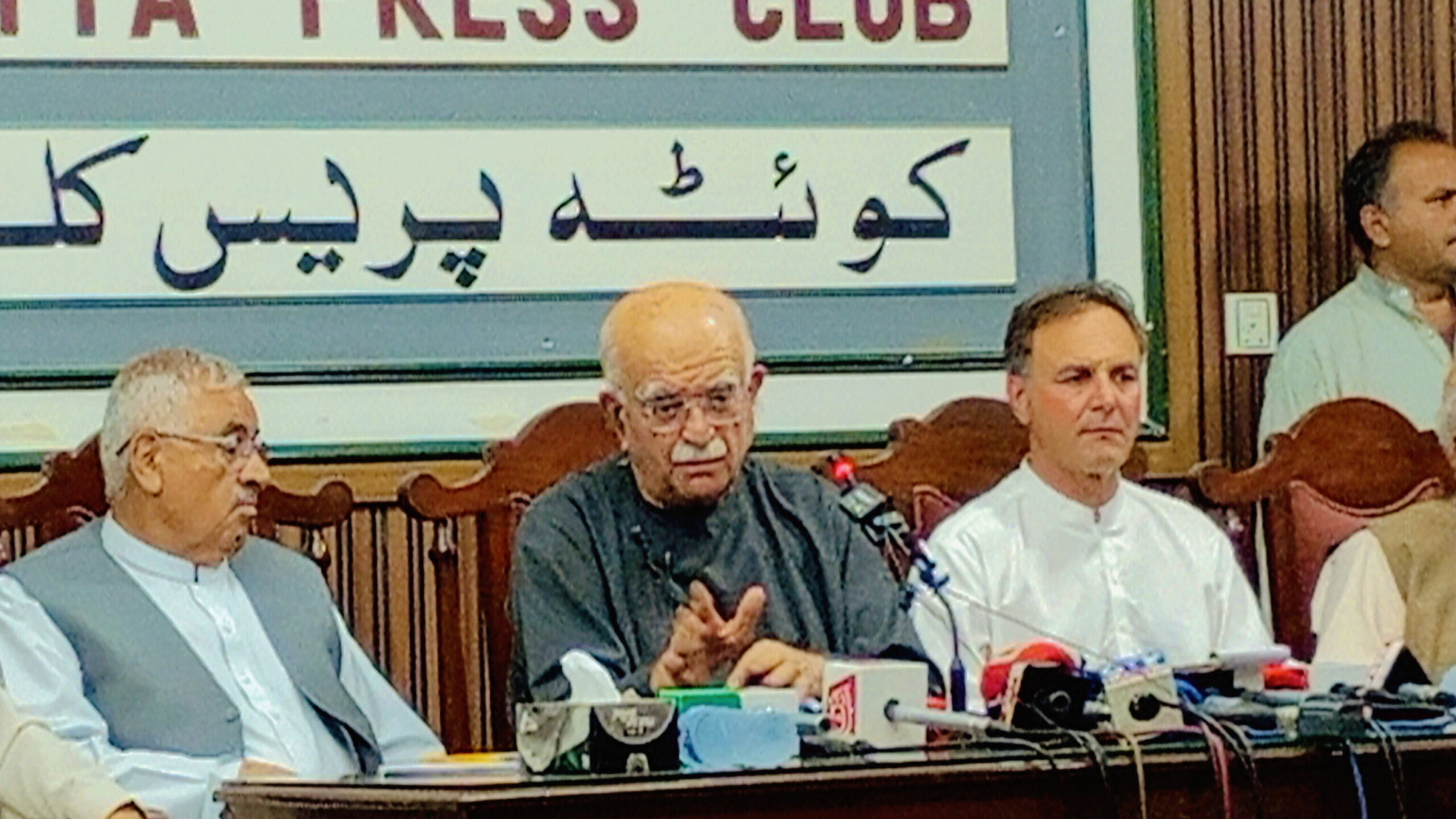
Syed Ali Shah: Mehmood Khan Achakzai, a veteran politician known for his unwavering commitment to democracy and constitutionalism, has been appointed Leader of the Opposition in Pakistan’s National Assembly. Currently heading Tehreek Tahafuz-e-Aain-e-Pakistan (TTAP), his nomination for the role was proposed last year by the incarcerated founder of Pakistan Tehreek-e-Insaf, Imran Khan.
Achakzai’s political journey spans decades and is deeply rooted in resistance against authoritarian rule. One defining moment came in October 1983, during General Ziaul Haq’s martial law, when he led a pro-democracy procession in Quetta. Despite severe threats, the protest went ahead, resulting in four deaths and dozens of injuries.
Early Life and Education
Born in Inayatullah Karez, Gulistan, in present-day Killa Abdullah district of Balochistan, Mehmood Khan Achakzai grew up in a politically active household. He completed his early education in Gulistan, earned his intermediate degree from Science College Quetta, and later graduated in Civil Engineering from the University of Engineering, Peshawar.
Political Inheritance and Tragedy
Achakzai’s entry into politics followed the assassination of his father, Khan Abdul Samad Khan Achakzai, on December 2, 1973. A prominent Pashtun nationalist leader, Abdul Samad Khan had parted ways with the National Awami Party after opposing the merger of Pashtun-majority areas with princely states to form Balochistan. Instead, he advocated either a unified Pashtun province or the restoration of British Balochistan.
While still imprisoned, he founded the Pashtunkhwa National Awami Party — a decision that isolated him politically and ultimately led to his killing. His stance faced opposition not only within Pakistan but also from Afghan President Daoud Khan, who rejected the idea of consolidating Pashtun regions.
Rise Without Patronage
Following his father’s death, Mehmood Khan Achakzai contested a by-election in 1974 that was widely viewed as a political contest between Kabul and Islamabad. Despite pressure from Afghan officials to withdraw, he refused, choosing to uphold his father’s political legacy.
Over the years, Achakzai carved out a rare political path — operating without support from state institutions or foreign patrons. His survival in Pakistan’s turbulent politics has relied largely on personal conviction and grassroots backing.
Role in Democratic Movements
Achakzai has been a central figure in several major opposition alliances. He actively participated in the Movement for the Restoration of Democracy against General Zia’s rule, co-founded the Pakistan Oppressed Nations Movement in the 1990s, and later joined the All Parties Democratic Movement against General Pervez Musharraf.
More recently, he played a prominent role in the Pakistan Democratic Movement. In 2025, he launched Tehreek Tahafuz-e-Aain-e-Pakistan to safeguard the 1973 Constitution, strengthen democratic institutions, and uphold civilian supremacy.
From street protests to parliamentary leadership, Mehmood Khan Achakzai’s political career reflects a consistent struggle for democracy, federalism, and constitutional rule in Pakistan.