Web Desk: As global concern over the humanitarian crisis in Gaza continues to grow, the proposed Board of Peace (BoP) is emerging as a serious international effort to push for a lasting political solution. Backed by several influential countries, including many Muslim nations such as Türkiye and the UAE, the initiative aims to bring collective pressure and diplomacy to end the violence and restore stability in the region.
At its core, the Board of Peace seeks a resolution to the Gaza crisis in line with United Nations Security Council resolutions. Its goals include an immediate and permanent ceasefire, the reconstruction of Gaza, and long-term peace that guarantees the rights of the Palestinian people, including statehood and the right to self-determination. Regional security and stability remain central to this vision.
Why Pakistan’s Participation Is Important
Pakistan’s possible inclusion in the Board of Peace is being widely viewed as both historic and necessary. Diplomats and analysts see it as recognition of Pakistan’s growing diplomatic weight and moral standing in global affairs, particularly at a time when the world is deeply polarized and conflict-driven.
Unlike many countries, Pakistan does not follow rigid bloc politics. It maintains balanced relations with major global powers, including the United States, China, and Russia, while preserving strategic autonomy. This unique positioning gives Pakistan the ability to act as a bridge for dialogue in an increasingly divided world.
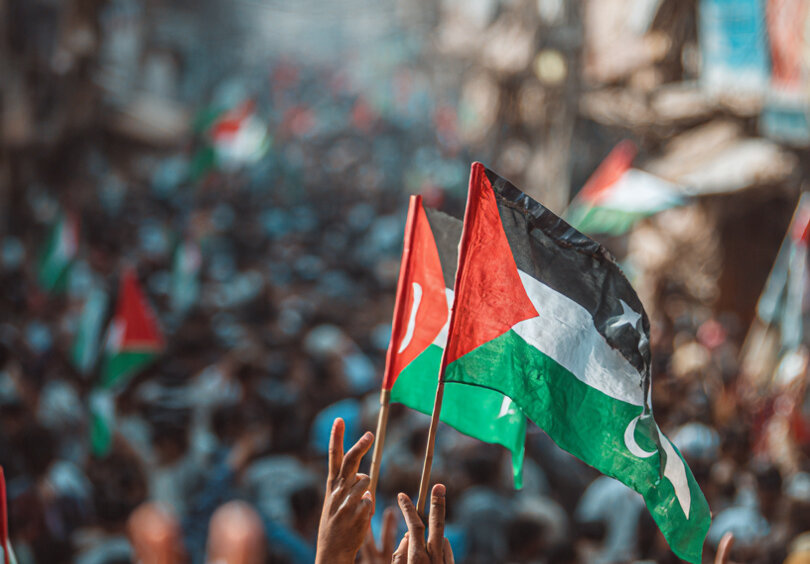
Pakistan’s foreign policy has also remained consistent on key issues. Its stance on Palestine is clear and unchanged: support for an independent Palestinian state based on pre-1967 borders, with Al-Quds Al-Sharif as its capital, in accordance with UN resolutions. Similarly, Pakistan continues to advocate for the peaceful resolution of the Kashmir dispute through a fair and impartial plebiscite. This principled approach strengthens Pakistan’s credibility in peace-building initiatives like the Board of Peace.
From Neutrality to Meaningful Engagement
In today’s rapidly shifting geopolitical environment, many experts argue that staying on the sidelines is no longer a neutral choice. For a leading country of the Muslim world with proven diplomatic and military capacity, active engagement is seen as a responsibility. Pakistan’s long and respected contribution to UN peacekeeping missions reflects its commitment to peace through action, not just statements.
Some voices have attempted to draw comparisons between the Board of Peace and other international security frameworks. However, officials have clarified that Pakistan’s approach to global engagements is guided strictly by national interest, UN mandates, and public consensus. Any such comparisons, they argue, are misplaced.
A Strategic and Moral Responsibility
As global power dynamics continue to shift, Pakistan’s role in the Board of Peace is increasingly viewed as a strategic necessity rather than an option. Participation would not only reinforce Pakistan’s commitment to justice and peace for the Palestinian people but also underline its broader role as a responsible and constructive actor in ensuring regional and global stability.
For Pakistan, joining the Board of Peace is about standing on the right side of history—using diplomacy, credibility, and balance to help shape a more peaceful future for Gaza and the wider region.