News Desk
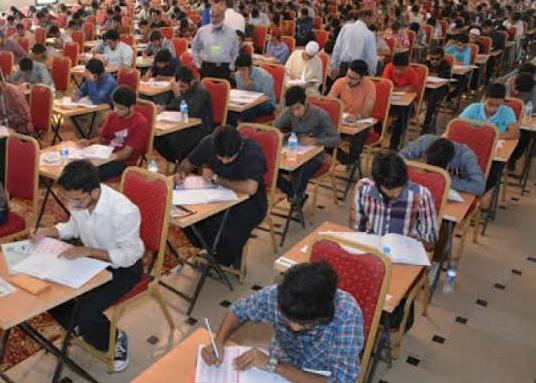
Islamabad : Medical Education in Pakistan: Interest among students in pursuing medical education and MBBS is witnessing a significant decline, with the number of MDCAT candidates falling by around 32 percent over the past few years.
According to official figures cited by the Pakistan Medical Association (PMA), the number of MDCAT candidates dropped from 204,253 in 2022 to approximately 138,000 in 2026.
The PMA has described the trend as a “structural decline” in medical education, attributing it to several economic and professional challenges facing aspiring doctors.
Rising Cost of Medical Education
The association has highlighted the increasing cost of private medical education, limited financial prospects for medical graduates, delays in salaries and stipends, limited postgraduate training opportunities, and growing concerns over workplace safety as some of the factors influencing students’ career choices.
At the same time, students are increasingly considering fields such as Artificial Intelligence (AI), Computer Science and Biotechnology, attracted by perceived better career prospects, earning potential and international opportunities.
Concern Over Future Doctor Shortage
The PMA has warned that if the declining interest in MBBS and medical education continues, Pakistan could face a shortage of doctors in the future, potentially creating additional challenges for the country’s already pressured healthcare system.
The association has urged the government to take immediate and concrete measures to make the medical profession more attractive, including improving remuneration, ensuring timely payment of salaries and stipends, expanding postgraduate training opportunities, and providing a safer working environment for healthcare professionals.