Web Desk:
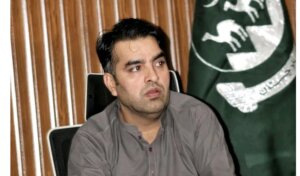
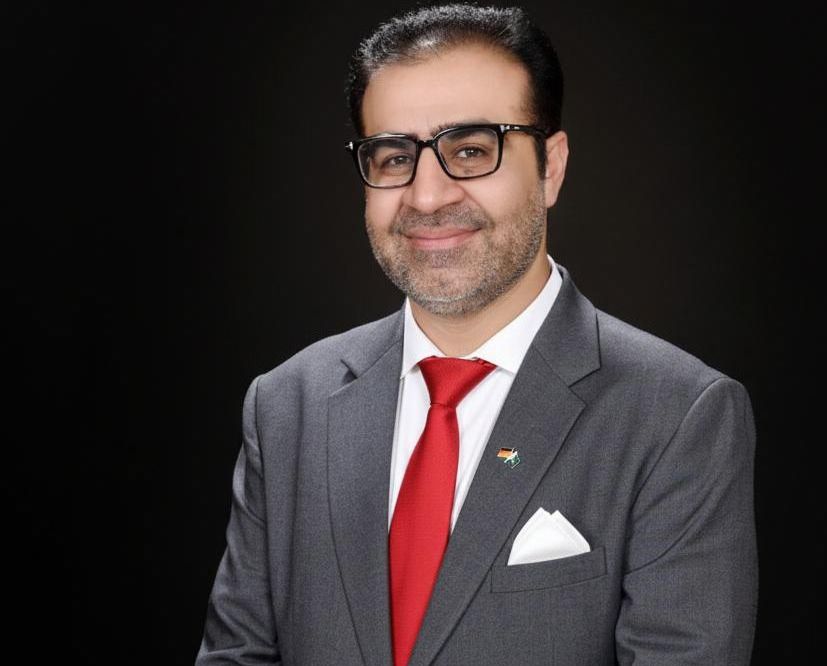
Germany’s cooperation with Pakistan, particularly Balochistan, has evolved over decades from diplomatic relations into a broader partnership focused on healthcare, climate resilience, renewable energy, skills development and economic opportunities, said Mir Murad Baluch, Honorary Consul of the Federal Republic of Germany in Balochistan.
In a message marking Germany’s 36th German Unity Day and the 75th anniversary of diplomatic relations between Pakistan and Germany, Baluch said the milestone provided an opportunity to reflect on the achievements of the two countries and consider areas where cooperation could be expanded in the future.
Pakistan and the Federal Republic of Germany formally established diplomatic relations on October 15, 1951. Pakistan was among the early countries to recognize the Federal Republic of Germany, and the relationship has since developed into a longstanding partnership based on cooperation and mutual respect, he said.
Baluch highlighted Germany’s contribution to development initiatives in Balochistan, saying German cooperation had produced tangible benefits for communities across the province.
He pointed to a number of projects in the healthcare sector, including KfW-supported facilities such as the Regional Blood Center in Quetta and dialysis centres in Chaman and Killa Saifullah. The District Headquarters Hospital in Nushki was also renovated and upgraded with German assistance, with the Balochistan Rural Support Programme (BRSP) serving as the implementing partner.
He also recalled Germany’s support for the establishment of Quetta’s first dedicated children’s hospital in 1994, describing the investment as an example of cooperation whose significance extended beyond physical infrastructure to the wellbeing and future of children.
According to Baluch, Germany’s partnership with Balochistan also extends to efforts aimed at addressing the effects of climate change.
He said the Flood Reconstruction and Coordination Programme, supported by Germany through KfW Development Bank and implemented by UNDP Pakistan, includes a €12 million initiative for the construction of 700 climate-resilient residential units along with associated community infrastructure in Hanna Urak, Quetta.
Such initiatives, he said, demonstrate the importance of making communities more resilient rather than simply replacing infrastructure damaged by disasters.
Baluch identified renewable energy as another area with considerable potential for Balochistan’s future development.
He said the Balochistan Centre for Excellence in Renewable Energy (BCRE), supported through €2 million from KfW and the PATRIP Foundation and implemented by BRSP, is working to promote renewable energy, innovation, technical knowledge and local capacity.
Given Balochistan’s significant solar potential, he said, investments in renewable energy could contribute to addressing energy challenges while creating opportunities for sustainable economic development.
He stressed that the next phase of Pakistan-Germany cooperation should place greater emphasis on people, skills and enterprise.
According to Baluch, education, vocational training, entrepreneurship and increased economic participation of women are important components of an inclusive economy. He added that continued interaction between German institutions, the German Chambers of Commerce Abroad (AHK) and Balochistan’s business community could facilitate knowledge sharing, technology cooperation, investment and greater access to international markets.
Baluch said Germany’s engagement in Balochistan should be viewed as more than a series of individual development projects, describing it as an example of how long-term international cooperation can create opportunities by investing in people, skills and institutional capacity.
He said German Unity Day was also an occasion to recognize the relationships Germany had developed with countries around the world.
“Pakistan-Germany relations have developed from friendship into partnership, and Balochistan has an important place in this journey,” he said.
Looking ahead, Baluch called for stronger cooperation in economic development, youth and women’s empowerment, renewable energy, innovation, climate resilience and investment.
He said the 75-year history of bilateral relations offered much to celebrate, while emphasizing that the future could bring further opportunities for cooperation.
The Honorary Consul said the strength of a lasting friendship should ultimately be reflected not only in the time shared between partners, but also in the opportunities and institutions they build together for future generations.