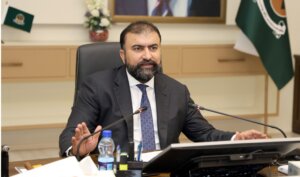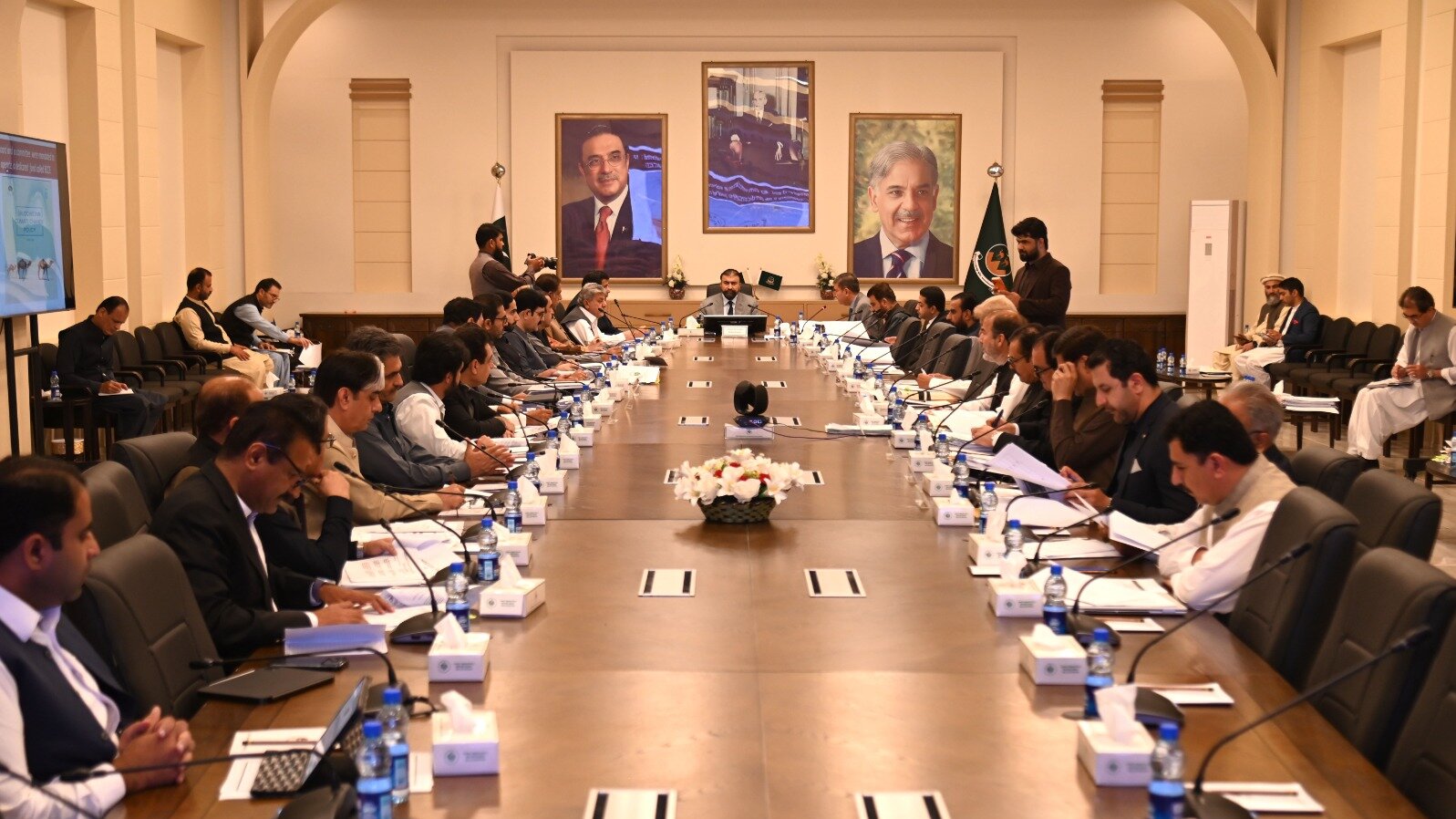
Qaseem Shah: In a major step toward governance reforms in Pakistan, the Balochistan cabinet, led by Chief Minister Mir Sarfraz Bugti, has approved the Balochistan Digital Media Policy 2026, AI-driven recruitment, and a comprehensive climate change strategy.
The high-level cabinet meeting focused on transparency, merit-based governance, economic development, and public welfare, positioning Balochistan as a reform-driven province in Pakistan.
Digital Media Policy 2026: Boost for Transparency and Media Regulation
The Balochistan Digital Media Policy 2026 aims to eliminate fake or dummy newspapers and ensure fair and transparent distribution of government advertisements. The policy also introduces a regulated framework for digital and social media, strengthening credible journalism and discouraging misuse of public funds.
Officials emphasized that the policy supports authentic media houses and journalists, while promoting accountability and merit in advertisement allocation, an important step for media transparency in Pakistan.
AI-Based Recruitment in Pakistan: Ending Favoritism
A landmark decision was taken to introduce Artificial Intelligence (AI)-based recruitment in Pakistan for government jobs from Grade 4 to below Grade 16. The system will be implemented in the upcoming fiscal year.
This move is expected to:
- Ensure merit-based hiring
- Eliminate political influence and favoritism
- Improve efficiency in public sector recruitment
Departments have also been directed to clear pending job cases, boosting employment opportunities in Balochistan.
Climate Change Fund Policy: Addressing Environmental Risks
The cabinet approved a comprehensive policy for the Balochistan Climate Change Fund, making it one of the first structured provincial climate frameworks in Pakistan.
According to adviser Shahid Rind, Balochistan contributes minimally to global emissions but faces severe impacts from climate change, floods, and natural disasters. The policy introduces a coordinated strategy for climate resilience, disaster management, and sustainable development.
Fisheries and Blue Economy Reforms
The approval of the Balochistan Sustainable Fisheries and Aquaculture Bill marks a key step toward developing Pakistan’s blue economy. The policy focuses on:
- Sustainable fisheries growth
- Marine resource conservation
- Adoption of modern fishing technologies
Institutional restructuring will further improve efficiency in the fisheries sector.
Wheat Policy and Food Security in Pakistan
To strengthen food security in Pakistan, the cabinet endorsed a strategy to procure wheat through the private sector for strategic reserves. If required, the province will request 100,000 metric tons of wheat from the federal government.
This decision aims to stabilize supply and control price volatility in Balochistan.
Rs4 Billion Endowment Fund for Social Welfare
The cabinet approved Rs4 billion for the Balochistan Awami Endowment Fund, including Rs3 billion as seed money. The fund will support education, healthcare, and social welfare programs, contributing to long-term human development.
Speaking at the meeting, Chief Minister Mir Sarfraz Bugti reaffirmed the government’s commitment to good governance, transparency, job creation, and institutional reforms in Balochistan. He also appreciated Chief Secretary Shakeel Qadir Khan for his role in advancing administrative reforms.