Zeeshan Ahmed, Syed Ali Shah, News Desk:
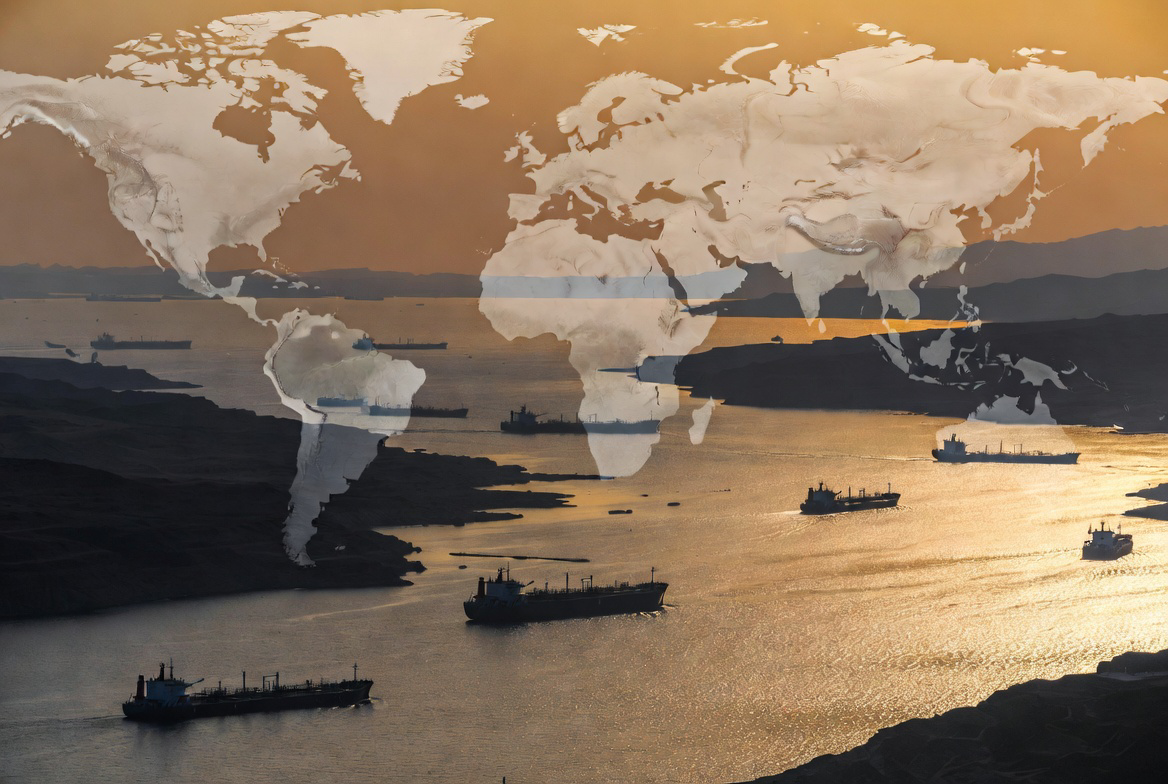
In a significant development that could bring down fuel prices across Pakistan, Iran has announced the full reopening of the Strait of Hormuz – the world’s most critical oil shipping route.
Iran’s Foreign Minister Abbas Araghchi declared the narrow waterway “completely open” for safe passage on Friday, ending weeks of effective blockade that had disrupted global energy supplies and spiked petrol and diesel prices in the region.
The announcement comes as part of a fragile two-week ceasefire between Iran and the United States, with quiet diplomatic efforts reportedly supported by Pakistan. Ships are now required to coordinate with Iranian authorities and follow monitored routes. Early reports confirm that the first commercial tankers have already begun moving through the strait after being stuck for weeks.
Why This Matters to Every Pakistani Family
For ordinary Pakistanis, the Strait of Hormuz reopening is not just distant geopolitics — it directly touches daily life. The strait handles nearly one-fifth of the world’s oil and gas trade. When it was closed, global oil prices surged, pushing petrol rates higher at pumps from Quetta to Karachi.
Ahmed Khan, a truck driver from Balochistan, shared his relief: “My vehicle was parked for over a month. Every extra rupee on diesel meant less money for my children’s school fees and food. If prices come down even a little, it will be a big help.”
Hundreds of ships carrying thousands of seafarers — many from South Asia — had been trapped. The blockade also raised fears of inflation, higher transport costs, and power shortages in energy-importing countries like Pakistan.
Cautious Hope Amid Uncertainty
While the move brings immediate hope, Iranian officials have described the reopening as temporary and “subject to technical limitations.” Analysts warn that long-term stability depends on whether the ceasefire holds and if future negotiations address issues like tolls or joint management of the waterway.
For now, energy markets are watching closely. A sustained reopening could help stabilise oil prices and ease pressure on Pakistan’s economy, where fuel costs influence everything from rickshaw fares to electricity bills.
As one regional shipping expert noted: “Today the strait breathes again. Tomorrow, millions of families will feel the difference — if peace lasts.”
Quetta Voice will continue to monitor the situation and its impact on Balochistan and Pakistan.