Qaseem Shah: As climate disasters become more frequent and destructive across Balochistan, concerns are mounting over proposals to fill Grade 16 and 17 positions in the Provincial Disaster Management Authority (PDMA) through departmental recruitment rather than through the Balochistan Public Service Commission (BPSC).
Experts warn that such a move could undermine the very institution tasked with protecting millions of people from the growing impacts of climate change.
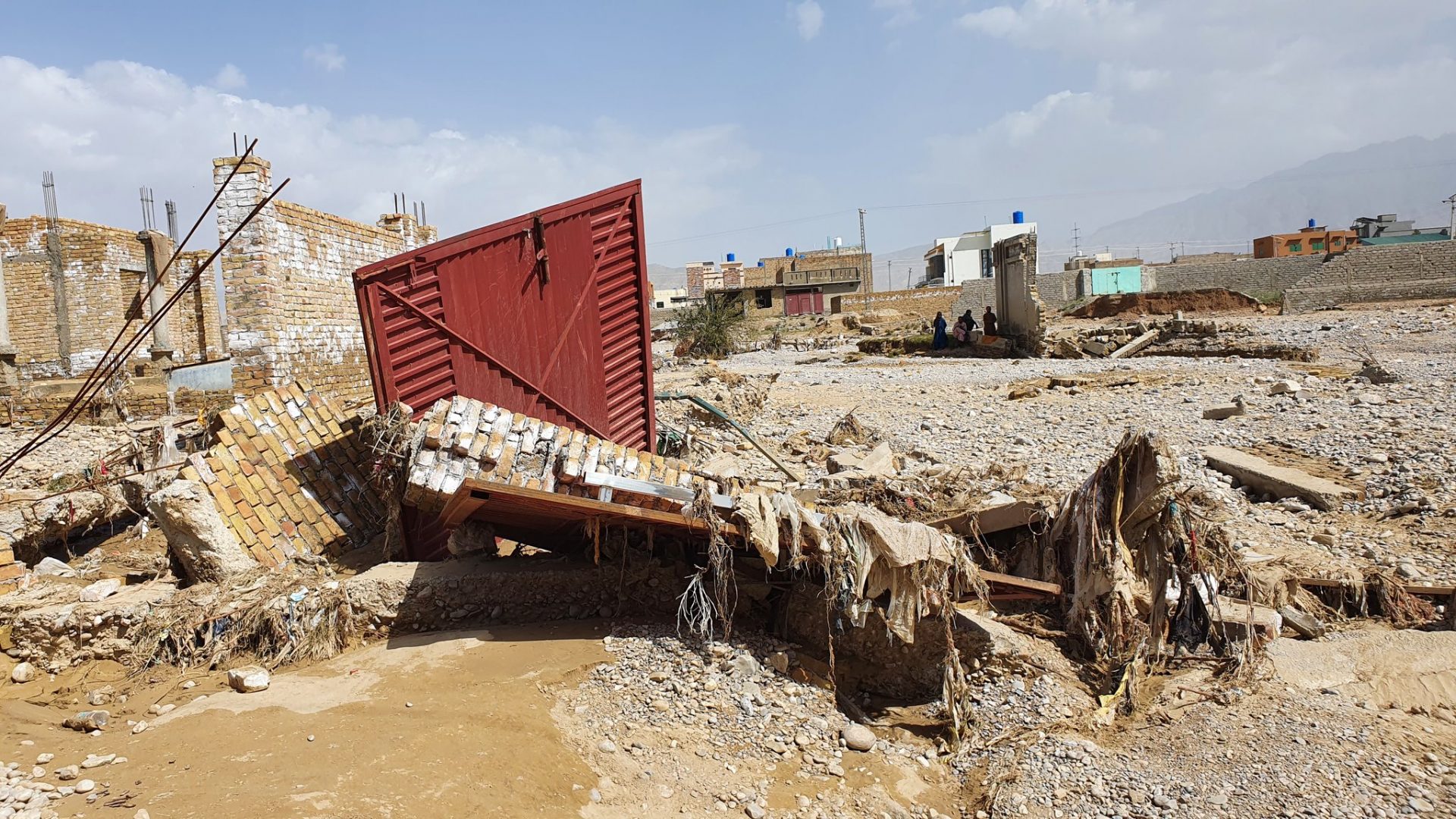
PDMA is no longer just a disaster-response agency; it is rapidly becoming Balochistan’s first line of defence against climate-induced crises. From floods and droughts to heatwaves and forest fires, the authority is expected to lead disaster preparedness, risk assessment, emergency response, climate adaptation, and resilience planning in a province increasingly exposed to environmental shocks.
PDMA Requires Highly Qualified Professionals
Pakistan is among the world’s most climate-vulnerable countries, and Balochistan faces an even greater threat than many other regions due to its fragile ecosystem, chronic water shortages, rising temperatures, and weak infrastructure. Extreme weather events that were once occasional are now becoming recurrent realities, placing enormous pressure on state institutions.
Against this backdrop, governance specialists argue that PDMA requires highly qualified professionals with expertise in disaster management, climate science, GIS mapping, data analytics, emergency planning, engineering, and public policy. Such positions, they contend, should be filled through a transparent, competitive, and merit-based process conducted by the BPSC.
Critics fear that bypassing the public service commission could open the door to favoritism and politically influenced appointments, ultimately weakening an institution that Balochistan cannot afford to see fail.
“Climate change does not reward patronage; it demands competence,” remarked one policy analyst. “When floods strike, droughts intensify, or wildfires spread, it is professional capacity, not political connections, that saves lives.”
Transparency, Matter of Survival Amid the Climate Crisis
Observers note that weak recruitment often translates into weak institutions. A lack of competent personnel can lead to poor disaster forecasting, ineffective planning, flawed policy implementation, delayed emergency responses, and inefficient use of scarce resources. In the context of climate change, such failures can have devastating human and economic consequences.
The debate is therefore not merely about recruitment procedures. It is about whether Balochistan is willing to build a modern, professional disaster management institution capable of confronting future climate challenges or risk compromising its preparedness through non-merit-based appointments.
As the province grapples with increasingly severe environmental threats, many experts insist that every appointment in PDMA should be treated as an investment in public safety and climate resilience. They argue that recruitment through the BPSC is not simply a matter of transparency, it is a matter of survival for a province standing on the frontline of the climate crisis.
For Balochistan, the question is straightforward: should the institution responsible for managing disasters be staffed through merit, or through mechanisms that may weaken its ability to respond when the next disaster inevitably strikes?