Syed Ali Shah, Ali Hamza:
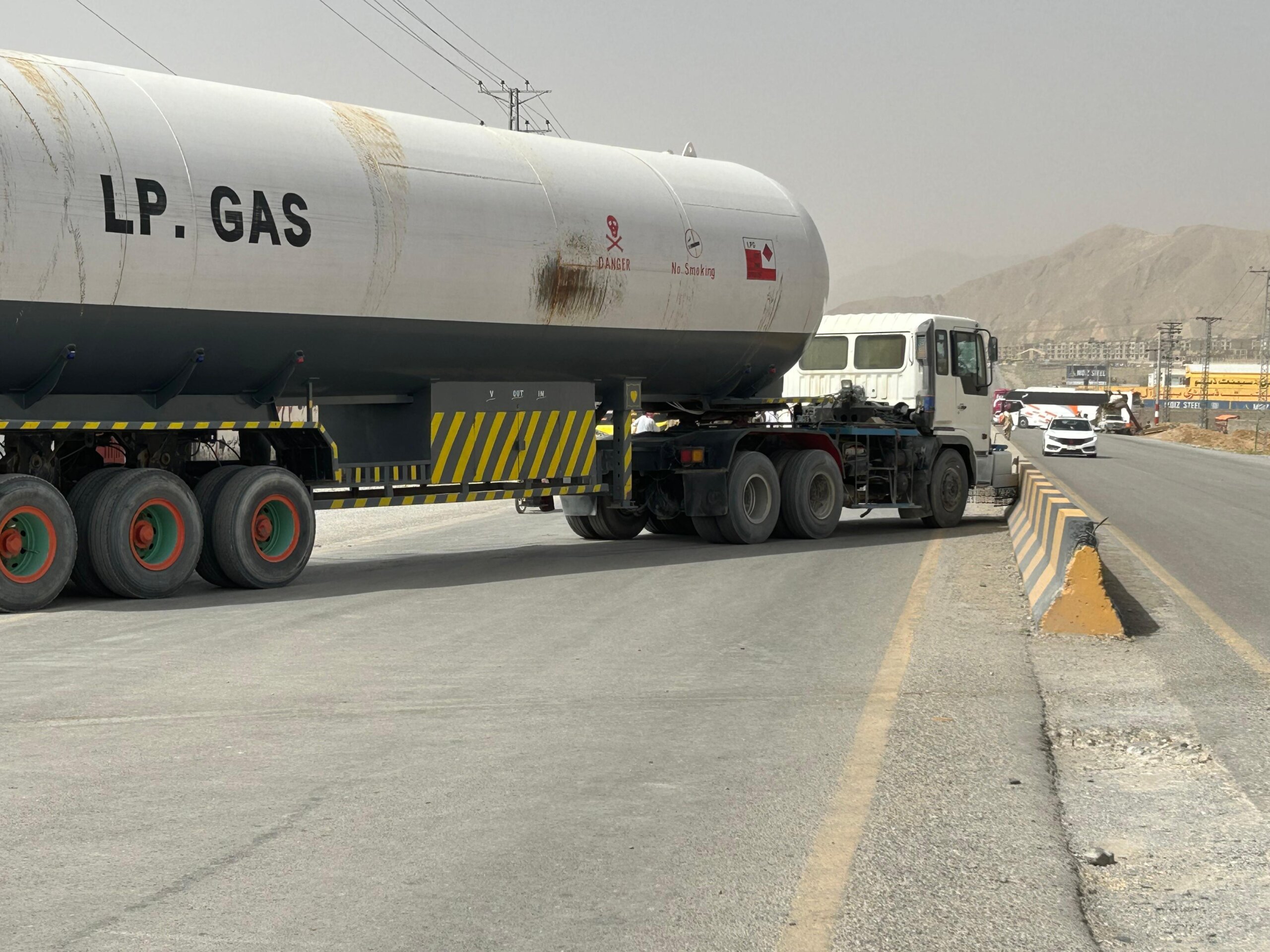
QUETTA — A massive province-wide shutter-down and wheel-jam strike brought life to a sudden halt across Balochistan on Thursday, leaving towns silent and highways deserted.
The strike was called by a coalition of more than a dozen local organizations, including the Quetta Chamber of Commerce, mining unions, and transport bodies. The joint action comes after a sharp rise in regional security issues, including a recent string of targeted attacks where freight trucks were set on fire on major highways.
Haji Akhtar Kakar, a central leader of the Quetta Chamber of Commerce, stated that local business owners and drivers feel completely exposed. He blamed the provincial government for failing to secure the trade routes and announced that transporters will keep their vehicles parked indefinitely until the state provides real protection.
Families and Patients Bear the Brunt
While the strike successfully closed down commercial sectors, the sudden lack of transport created immediate, severe hardships for ordinary people. With inter-city buses parked and city rickshaws off the roads, thousands of travelers—including women, children, and the elderly—found themselves stranded for hours in the heat.
The disruption was especially difficult for families trying to reach medical care in Quetta from rural districts.
”We spent the entire night traveling from Khuzdar so my mother could get her hospital treatment,” said Jameel Ahmed, 28, who was waiting on a dusty sidewalk. “Now that we are here, everything is locked down. There isn’t a single taxi or rickshaw moving. My mother is too weak to stand, and we have nowhere to go.”
A grandmother, Bibi Fatima, faced a similar crisis while carrying her sick grandson past a tire-fire blockade.
”The baby has a terrible fever and chest infection, and our village doctor told us to rush to the main hospital,” she said. “But the roads are blocked miles away. We are being forced to walk under the hot sun with a sick child. The authorities need to fix these security problems before poor people lose their lives on the street.”
Local officials have indicated they want to hold emergency talks to resolve the crisis, but strike leaders maintain that markets will remain closed and wheels will not turn until clear security changes are made on the ground.