Entertainment Desk:
Pakistan’s Most Breathtaking Hidden Paradise, Beaches, Mountains, Deserts & Ancient Civilizations in One Province
Quick Summary: Balochistan covers 44% of Pakistan’s landmass yet remains its least explored province. From the turquoise waters of Kund Malir Beach and the mystical Princess of Hope rock formation to the world’s second-largest juniper forest in Ziarat and the ancient ruins of Mehrgarh, this guide covers every must-visit tourist place in Balochistan, what to do there, the best time to visit, and expert travel tips to help you plan the perfect trip.
Table of Contents
- Why Visit Balochistan?
- Top 15 Tourist Places in Balochistan
- What to Do in Balochistan: Activities & Experiences
- Balochistan Food: What to Eat
- Festivals & Cultural Events
- Best Time to Visit Balochistan
- How to Get to Balochistan
- Travel Tips & Safety
- Balochistan Travel Itinerary (7 Days)
- FAQs About Balochistan Tourism
1. Why Visit Balochistan?
Balochistan is Pakistan’s best-kept secret. It is the country’s largest province by area, covering approximately 347,190 square kilometers, nearly 44% of Pakistan’s total land area. Yet it remains dramatically undervisited, which is precisely what makes it extraordinary.
While tourists flock to Lahore’s Mughal monuments or Hunza’s emerald valleys, Balochistan quietly holds landscapes that rival anything on earth: a 900-kilometre Arabian Sea coastline, ancient civilizations older than Egypt, towering mountains, sweeping deserts, and warm Balochi hospitality that will redefine your idea of travel.
Here is what sets Balochistan apart from every other destination in Pakistan:
- No crowds. Beaches like Kund Malir and Ormara remain untouched where other coastlines are overrun.
- Geological wonders. Mud volcanoes, sphinx-like rock formations, and coral islands found nowhere else in Pakistan.
- Living history. Mehrgarh is one of the oldest known agricultural settlements on earth, pre-dating ancient Egypt.
- Raw adventure. Trekking, dune bashing, camel safaris, snorkeling, and deep-sea fishing on the same trip.
- Cultural richness. The Balochi people have a tradition of poetry, music, embroidery, and hospitality stretching back millennia.
2. Top 15 Tourist Places in Balochistan
1. Hingol National Park, Pakistan’s Largest National Park
Location: Lasbela District, along the Makran Coastal Highway (N-10) Distance from Karachi: ~190 km
Hingol National Park is the undisputed crown jewel of Balochistan tourism. Spanning over 6,100 square kilometers, it is Pakistan’s largest national park and one of the most geologically diverse protected areas in Asia. The park stretches across three districts, Lasbela, Awaran, and Gwadar, and runs along the Makran Coastal Highway, making it accessible on a scenic road trip.
What makes Hingol unmissable:
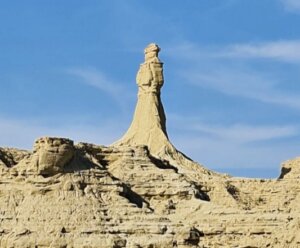
- Princess of Hope: A natural rock formation sculpted entirely by wind and rain erosion into the silhouette of a woman looking toward the horizon. Named by actress Angelina Jolie during her 2002 visit to Pakistan, it has become an iconic symbol of Balochistan. No photograph fully captures its scale.
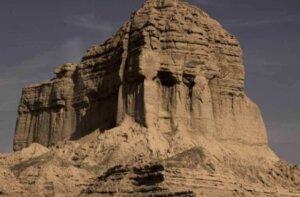
- The Sphinx of Balochistan: Just kilometers from the Princess of Hope, another wind-carved formation bears a striking resemblance to Egypt’s Great Sphinx of Giza. Geologists and tourists alike are stunned by the likeness.

- Mud Volcanoes: Unlike volcanic eruptions of lava, Hingol’s mud volcanoes (called “Chandragup” or “Chaondar”) erupt cool, grey mud mixed with natural gas. There are over 80 such volcanoes in Balochistan, the largest concentration in the world. The main cluster near Hingol is both eerie and mesmerizing.
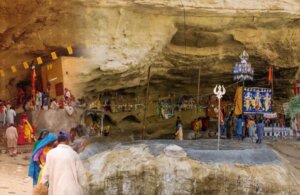
- Hinglaj Mata Temple: One of the most sacred Hindu pilgrimage sites in the subcontinent, the Hinglaj temple draws tens of thousands of devotees each spring for the annual Hinglaj Yatra festival. It lies nestled inside a dramatic gorge and is revered by both Hindus and Muslims.

- Wildlife: Hingol shelters leopards, striped hyenas, Sindh ibex, marsh crocodiles, and over 250 species of migratory birds.
Pro Tip: Visit Hingol between October and March. The summer heat can exceed 45°C. Carry ample water and camp overnight to witness the mud volcanoes by moonlight, a surreal experience.
2. Kund Malir Beach, Pakistan’s Most Beautiful Beach
Location: Inside Hingol National Park, Lasbela District Distance from Karachi: ~250 km via Makran Coastal Highway 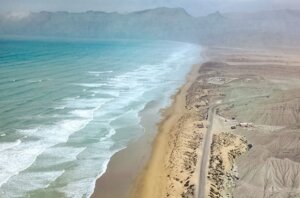
If you visit only one beach in Pakistan, make it Kund Malir. Consistently ranked as the most beautiful and cleanest beach in the country, Kund Malir is a masterpiece of nature, where golden sand dunes plunge directly into crystal-clear turquoise water, framed by dramatic ochre cliffs.
Unlike Karachi’s crowded beaches, Kund Malir remains largely untouched and pristine. The beach stretches for kilometers with barely a footprint. At night, the Milky Way blazes overhead with no light pollution for a hundred miles in any direction.
What to do at Kund Malir:
- Swim in clean, calm waters
- Photograph the stunning meeting of sand dunes and sea cliffs
- Camp overnight under the stars
- Observe dolphins and sea turtles visible from the shore
- Stargaze, the dark skies here are among the best in Pakistan
Getting there: Drive along the Makran Coastal Highway (N-10) from Karachi. The journey itself is half the adventure, one of the world’s most scenic coastal drives.
3. Gwadar, Pakistan’s Port City of the Future
Location: Gwadar District, Arabian Sea coast Distance from Karachi: ~650 km 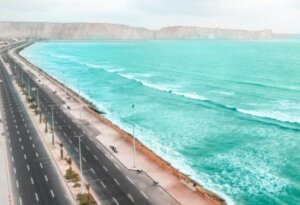
Gwadar is transforming rapidly. Once a quiet fishing town, it is now the centrepiece of the China-Pakistan Economic Corridor (CPEC), a USD 62 billion infrastructure megaproject that positions Gwadar as a strategic deep-sea port connecting Central Asia to the Arabian Sea.
But beyond geopolitics, Gwadar is strikingly beautiful.
Tourist highlights in Gwadar:
- Gwadar Port Viewpoint: Stand at the cliffside viewpoint at dusk and watch the sun sink into the Arabian Sea while massive cargo vessels drift through the harbour.
- Hammerhead (Koh-e-Batil): A hammer-shaped headland protruding into the sea; the panoramic views from here at sunrise are extraordinary.
- Gwadar Beach: Wide, clean, and calm, perfect for a morning walk.
- Gwadar Fort: A centuries-old fortification with historical significance and sweeping sea views.
- Fishermen’s Wharf: Early mornings here are a photographer’s paradise as wooden fishing dhows return with their catch, and the smell of salt, fish, and chai fills the air.
Gwadar’s future: With the CPEC-funded New Gwadar International Airport under development and ongoing urbanisation, now is the ideal time to visit Gwadar before it changes forever.
4. Ziarat: The Hill Station with the World’s Second-Largest Juniper Forest
Location: Ziarat District, north of Quetta Distance from Quetta: ~130 km 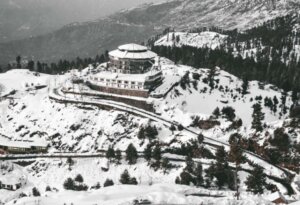
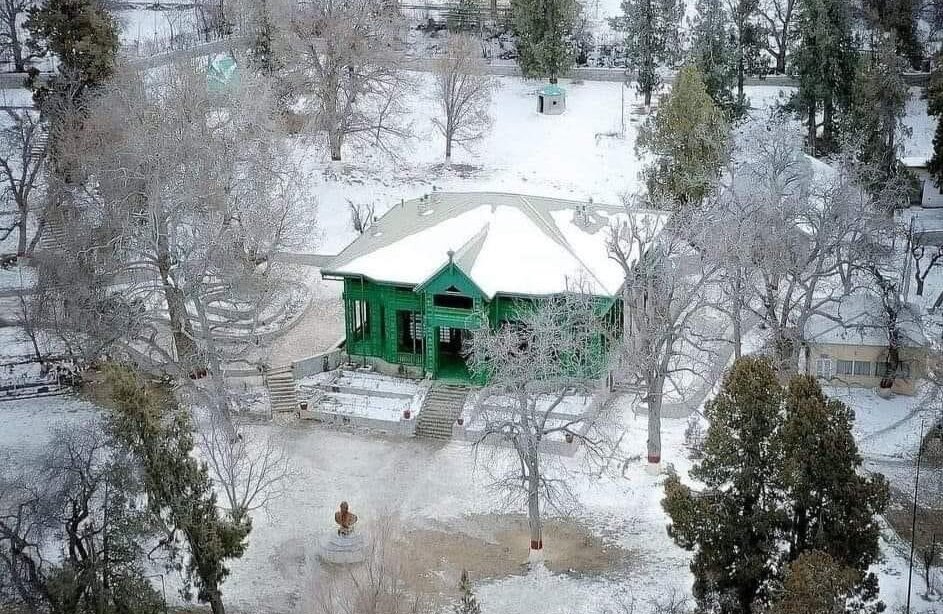
Ziarat is perhaps the most emotionally resonant destination in all of Balochistan. Perched at an altitude of 2,449 metres in the cool Toba Kakar mountain range, this peaceful hill station is famous for two things: the Quaid-e-Azam Residency, where Pakistan’s founding father Muhammad Ali Jinnah spent his final days in 1948, and the extraordinary juniper forests that blanket the surrounding hills.
These are not ordinary trees. The juniper forest around Ziarat is home to trees that are over 5,000 years old, some of the oldest living organisms on earth. The forest is designated as the world’s second-largest juniper forest, covering nearly 110,000 hectares.
Things to do in Ziarat:
- Walk through the ancient juniper forest and smell the crisp, resinous mountain air
- Visit the Quaid-e-Azam Residency (now a national museum), a poignant and beautifully preserved wooden Victorian structure
- Explore Ziarat Valley’s apple and cherry orchards (spectacular in spring bloom)
- Trek the surrounding Zarghoon Mountain, home to rare Chiltan wild goats
- Visit in winter for snowfall, Ziarat is one of the few places in Balochistan that receives snow
Best time: April to October for pleasant temperatures; January to February for snow.
5. Astola Island: Pakistan’s Only Coral Island
Location: Arabian Sea, 39 km off the coast of Pasni, Gwadar District 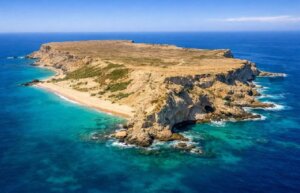
Astola Island, locally known as “Jezira Haft Talar” (Island of Seven Hills), is Pakistan’s largest offshore island and its only coral island. This uninhabited, pristine island sits in the clear blue waters of the Arabian Sea, fringed by coral reefs teeming with marine life.
Getting there requires a boat journey of 2–3 hours from Pasni, but the reward is extraordinary: snorkelling amid coral, camping on a deserted beach, and falling asleep to nothing but the sound of waves.
Why Astola is extraordinary:
- One of the richest marine biodiversity hotspots in Pakistani waters
- Nesting site for critically endangered green sea turtles
- World-class snorkelling and scuba diving
- An ancient Hindu shrine dedicated to Kali Mata on the island
- Untouched beaches with zero commercial development
- Night sky visibility is among the clearest in the region
Important: Visits require advance planning, a boat hire from Pasni, and ideally a permit. The best season is November to February when seas are calm.
6. Quetta: The Fruit Garden of Pakistan
Location: Provincial Capital, Balochistan Altitude: 1,680 metres above sea level 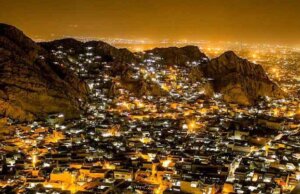
Quetta is the beating heart of Balochistan: a city of contrasts where Balochi, Brahui, Pashtun, and Hazara cultures intersect. Known as the “Fruit Garden of Pakistan”, Quetta is famous for its sweet apples, cherries, pomegranates, and almonds, sold in colourful roadside stalls.
Top attractions in Quetta:
- Hanna Lake: A stunning turquoise reservoir in the mountains east of Quetta, famous for boating and picnics. The surrounding hills turn golden in autumn.
- Urak Valley: A lush green valley 20 km from Quetta, famous for apple and cherry orchards. In spring, the entire valley turns white and pink with blossoms.
- Quetta Bazaar (Liaquat Bazaar): One of the most vibrant bazaars in Pakistan, selling traditional Balochi embroidery, hand-woven carpets, dried fruits, and silver jewellery.
- Chiltan National Park: Home to the rare Chiltan wild goat, a species found nowhere else on earth.
- Hazarganji Chiltan National Park: One of Pakistan’s most important wildlife sanctuaries.
- Quetta Museum: A treasure trove of Balochistan’s ancient artefacts.
7. Makran Coastal Highway: One of the World’s Most Scenic Drives
Route: Karachi to Gwadar (N-10), approximately 650 km 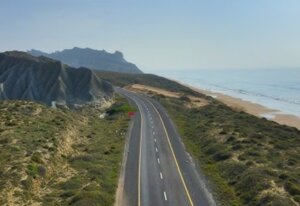
The Makran Coastal Highway is not just a road: it is an experience. Built along the ancient route that Alexander the Great’s army traversed during his return from India in 325 BC, this highway hugs the Arabian Sea for hundreds of kilometres through some of the most dramatic coastal scenery on earth.
Highlights along the route:
- Kund Malir Beach
- Hingol National Park
- Buzi Pass (where the highway crests a mountain ridge with breathtaking sea views)
- Ormara fishing town
- Sapat Beach (Pakistan’s only known site of bioluminescent water, glowing blue waves on full moon nights)
- Gwadar Port
How to do it: A 2–3 day road trip from Karachi to Gwadar is the definitive Balochistan adventure. Drive in a 4WD, carry extra fuel and water, and stop wherever the road calls you.
8. Ormara Beach: The Turtle Sanctuary
Location: Gwadar District, Makran Coast Distance from Karachi: ~450 km 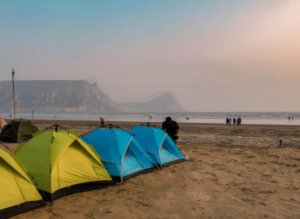
Ormara is a serene fishing town with a remarkable secret: its beach is one of the most important nesting sites in Asia for endangered green sea turtles and olive ridley turtles. From August to November, hundreds of turtles haul themselves up the beach at night to lay their eggs. Witnessing this ancient ritual is one of nature’s most moving spectacles.
Beyond its turtles, Ormara offers turquoise waters, golden sand, and a completely unhurried pace of life. It is less visited than Kund Malir, making it ideal for travellers seeking solitude.
9. Mehrgarh: One of the World’s Oldest Civilizations
Location: Kachi District, near Sibi Distance from Quetta: ~185 km 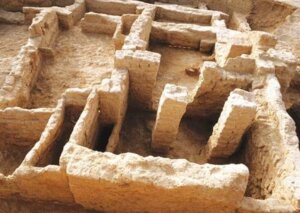
Mehrgarh is one of the most important archaeological sites on earth, yet remains largely unknown outside academic circles. This is where, as far back as 7,000 BCE, one of the world’s earliest farming communities planted barley and wheat, domesticated cattle, and crafted clay figurines and terracotta pottery.
Predating even the Indus Valley Civilization, Mehrgarh is a direct ancestor of Mohenjo-daro and Harappa. Archaeological excavations have uncovered evidence of early dentistry (drilled teeth from 7,500–9,000 years ago), mud-brick architecture, and sophisticated agricultural practices.
For history lovers and archaeology enthusiasts, Mehrgarh is unmissable, a humbling reminder that human civilization traces some of its earliest roots to the plains of Balochistan.
10. Moola Chotok: The Hidden Paradise
Location: Khuzdar District Distance from Karachi: ~350 km 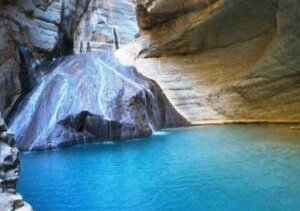
Moola Chotok is Balochistan’s best-kept secret, a breathtaking gorge where a crystal-clear river cuts through towering limestone cliffs, forming natural pools, waterfalls, and lush greenery in the middle of an otherwise arid landscape.
The contrast is almost shocking: you are driving through barren brown hills, and then suddenly the land opens up into a verdant oasis of flowing water, weeping willows, and cool shade. Local boys dive from the cliffs into the pools below.
Moola Chotok is completely undeveloped, raw, and exhilarating. It requires a 4WD vehicle and is best visited October to April.
11. Pir Ghaib Waterfall: The Hidden Gem of Bolan
Location: Bolan District, near Dera Bugti Distance from Quetta: ~80 km via Bolan Pass 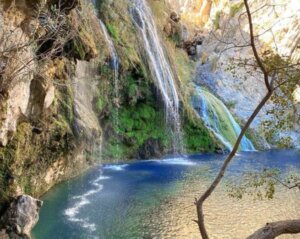
Deep in the Bolan Valley, where rugged mountains part to reveal a hidden spring, Pir Ghaib waterfall tumbles down a cliff face into a natural pool surrounded by date palms and wild vegetation. The site is also an important historical and spiritual location, associated with a local Sufi saint.
The approach through Bolan Pass itself is spectacular, narrow gorges, towering rock walls, and a railway line that climbs through one of British India’s greatest engineering achievements.
12. Bolan Pass: Historic Gateway to Central Asia
Location: Bolan District Distance from Quetta: ~90 km 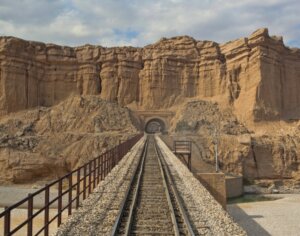
The Bolan Pass is one of the great mountain passes of history, used by armies, traders, and nomadic tribes for thousands of years as the primary gateway between the subcontinent and Central Asia. Alexander the Great’s general Craterus used this route. The Mughal emperors used it. The British built a railway through it.
Today it is accessible by road and offers dramatic cliff scenery, an old British-era railway viaduct, and a profound sense of standing at the crossroads of history.
13. Hanna Lake: Quetta’s Blue Jewel
Location: 10 km east of Quetta city Distance from Quetta City Centre: 10 km 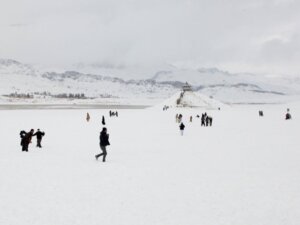
Built as a reservoir in the 1890s during British rule, Hanna Lake has become one of Quetta’s most beloved attractions. Set against a backdrop of bare mountains, the lake shimmers with a beautiful blue-green colour, especially in the golden light of late afternoon.
Visitors can rent rowboats, enjoy picnics on the lakeshore, and explore the surrounding hills on foot. In autumn, the poplar trees lining the road turn bright gold.
14. Taftan Volcano: Pakistan’s Only Active Volcano
Location: Chagai District, near Iran border Distance from Quetta: ~600 km 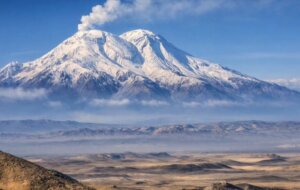
Taftan is Pakistan’s only active stratovolcano, rising 3,940 metres at the border of Pakistan and Iran. Though not frequently active, the volcano occasionally releases sulphurous steam from its fumaroles. The landscape around Taftan is otherworldly, a moonscape of volcanic rock, salt flats, and desert extending to the horizon.
Taftan is also the location of a Pakistan-Iran border crossing and a stop on the ancient pilgrimage route to Karbala. Note: travel to this remote area requires advance permissions.
15. Ziarat Juniper Forest Trek
Location: Ziarat District 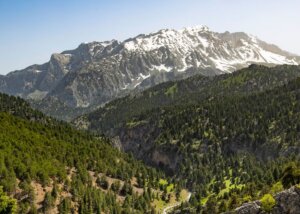
The juniper forests of Ziarat are not just a backdrop, they are a destination in themselves. Several trekking trails wind through the ancient trees, offering varying levels of difficulty. The Zarghoon Mountain trek (elevation ~3,578 metres) rewards hikers with panoramic views over the entire Ziarat Valley and, on clear days, as far as the Quetta plain.
Trek in early morning when light filters through the ancient gnarled trees and the forest is alive with birdsong.
3. What to Do in Balochistan: Activities & Experiences
Balochistan offers far more than sightseeing. Here is a comprehensive breakdown of activities across the province:
Beach & Marine Activities
- Snorkelling and scuba diving at Astola Island’s coral reefs
- Sea turtle watching at Ormara Beach (August–November)
- Deep-sea fishing from Gwadar, Pasni, or Ormara, yellowfin tuna, kingfish, and barracuda are common catches
- Dolphin spotting along the Makran coast, pods of common dolphins are frequently seen from the shoreline
- Kayaking and boating at Gwadar and Hanna Lake
- Bioluminescent water experience at Sapat Beach on full moon nights (October–April)
- Camping on Kund Malir Beach overnight under star-filled skies
Adventure & Trekking
- Trekking in Zarghoon Mountains near Ziarat
- Hiking through Hingol National Park, gorges, mud volcanoes, and coastal cliffs
- 4WD desert drives in the Chagai Desert near Dalbandin
- Dune bashing in the sand deserts of Kharan and Nushki Districts
- Camel safaris through the desert towards Nushki or in the Balochi heartland
- Rock climbing and bouldering on Quetta’s surrounding mountain faces
- Mountain biking on the Makran Coastal Highway and Urak Valley
Cultural & Historical Experiences
- Archaeological exploration at Mehrgarh, one of humanity’s oldest settlements
- Attending Sibi Mela (February), Balochistan’s most important cultural festival
- Shopping for Balochi embroidery in Quetta’s Liaquat Bazaar, the intricate mirror-work and coloured thread patterns are among Pakistan’s finest handicrafts
- Visiting the Quaid-e-Azam Residency in Ziarat
- Exploring Gwadar Fort and its panoramic sea views
- Photography at Hinglaj Temple during the spring pilgrimage
- Learning Balochi carpet weaving from local artisans in Quetta
Nature & Wildlife
- Wildlife watching in Hingol National Park, leopards, ibex, hyenas, flamingos
- Birdwatching along the Makran coast, flamingos, pelicans, ospreys, and 250+ migratory species
- Whale and dolphin watching off the Gwadar and Pasni coastlines
- Visiting Chiltan National Park for the Chiltan wild goat, a species found only in Balochistan
- Stargazing in the Chagai Desert, minimal light pollution makes this among the best stargazing locations in all of South Asia
Unique Experiences Found Nowhere Else
- Mud volcano exploration in Hingol, the world’s largest concentration of terrestrial mud volcanoes
- Driving the Makran Coastal Highway, one of the world’s great road trips, following Alexander the Great’s ancient route
- Island camping on uninhabited Astola Island
- Witnessing Balochi Attan dance at festivals, a mesmerising circular group dance
- Witnessing Chandragup mud volcano eruption during monsoon, when the volcano is most active
4. Balochistan Food: What to Eat
Balochi cuisine is bold, meat-heavy, and extraordinarily flavourful. Shaped by a nomadic pastoral tradition, it centres on the whole animal, slow-cooked over open fire in methods unchanged for centuries.
Must-Try Dishes
Sajji: The undisputed king of Balochi cuisine. A whole lamb or large chicken is marinated in just salt and a touch of raw papaya (as a tenderiser), skewered on a long iron rod, and slow-roasted vertically over a pit of glowing coals for several hours. The meat falls off the bone and carries a subtle smokiness. Sajji is served with unleavened bread (Kaak) and a squeeze of lemon. Do not leave Balochistan without eating Sajji, it is a transformative meal.
Kaak (Balochi Bread): Traditional stone-baked flatbread cooked on river pebbles, giving it a distinctive pocked texture and nutty taste. Found throughout Balochistan and beloved across Pakistan.
Landhi: Sun-dried mutton or beef, preserved in the traditional Balochi nomadic style. The meat is salted and dried in the open air, then stored for months. It is later cooked into hearty stews and rice dishes.
Tabaheg: A rich, slow-cooked dish of dried salted meat with basmati rice, sour pomegranate seeds, and aromatic spices. The pomegranate gives it a distinctive sweet-sour tang unlike any other Pakistani cuisine.
Dalag: A thick meat stew considered a cornerstone of Balochi cultural identity, served at weddings and celebrations.
Balochi Kadhi: A yogurt-based curry unique to the region, lighter and tangier than Punjabi versions, often cooked with lamb.
Dampukht: Meat and rice slow-cooked in a sealed clay pot buried in hot coals, the Balochi precursor to dum biryani.
Fresh Seafood: In coastal areas like Gwadar, Pasni, and Ormara, freshly caught fish, prawns, and lobster are grilled over charcoal and served immediately. The quality of seafood in Gwadar rivals coastal towns across Southeast Asia.
Dry Fruits & Nuts: Balochistan produces some of Pakistan’s finest almonds, walnuts, pistachios, and dried apricots. Stock up in Quetta’s Kandahari Bazaar.
5. Festivals & Cultural Events in Balochistan
Sibi Mela (February)
Sibi Mela is Balochistan’s most celebrated festival and one of Pakistan’s oldest cultural events, with roots tracing back to 1885. Held annually in February in the city of Sibi, a spectacularly hot and historic town at the foot of the Kirthar Mountains, the festival runs for approximately five days and is a vibrant, full-sensory showcase of Balochi culture.
What to expect at Sibi Mela:
- Colourful livestock shows featuring massive Sibi cattle
- Traditional tent-pegging competitions (horse-mounted lance contests)
- Thrilling camel races across the desert plain
- Horse parades and equestrian displays
- Folk music performances featuring the Sorud (a traditional Balochi string instrument), Dohol (drum), and Alghoza (double flute)
- Balochi and Brahui folk dances including the energetic Lehwa and Chaap
- Handicraft exhibitions, embroidered shawls, mirror-work garments, hand-woven rugs
- Street food stalls selling Sajji, kebabs, and local sweets
Sibi Mela is the single best opportunity for a visitor to experience authentic Balochi culture in a festive atmosphere.
Hinglaj Yatra (April)
Held over four days in late March or April, the Hinglaj Yatra is Pakistan’s largest Hindu pilgrimage, drawing 50,000–100,000 devotees to the Hinglaj Mata temple deep in Hingol National Park. The pilgrimage is remarkable for its inter-faith character: Muslim Balochi tribespeople also revere the shrine and participate alongside Hindu pilgrims. The atmosphere is extraordinary, a sea of saffron and white, chanting, music, and the smell of incense filling the dramatic river gorge.
Nowruz / Nauroz (March 20–21)
The Persian new year, Nauroz, is celebrated across Balochistan with communal gatherings, traditional music, poetry recitation, and feasting. It marks the spring equinox and is an ancient celebration of renewal deeply embedded in Baloch and Brahui culture.
Jashn-e-Balochistan (October)
An annual provincial cultural festival celebrating Balochistan’s arts, crafts, and traditions through exhibitions, performances, and food fairs.
6. Best Time to Visit Balochistan
Balochistan’s vast size means it has multiple distinct climate zones. There is no single “best time”, it depends on where you want to go.
| Region | Best Time | Notes |
|---|---|---|
| Makran Coast (Kund Malir, Gwadar, Ormara, Astola) | November to February | Warm days, cool nights, calm seas |
| Quetta & Central Balochistan | April to October | Cool mountain temperatures |
| Ziarat | May to September | Green season; snow possible Dec–Feb |
| Hingol National Park | October to March | Avoid summer heat (45°C+) |
| Sibi | February (for Sibi Mela only) | Extremely hot other months |
| Chagai Desert / Taftan | November to February | Desert conditions |
General rule: October to March is the safest, most comfortable window for most of Balochistan. Summer temperatures in the desert and coastal lowlands can exceed 45–50°C, which is dangerous for travel.
7. How to Get to Balochistan {#how-to-get}
By Air
- Quetta International Airport: Direct flights from Karachi, Lahore, Islamabad, and other major cities. PIA and Air Arabia operate regular services. Flying time from Karachi is approximately 1 hour.
- Gwadar International Airport: Domestic flights from Karachi (PIA). A new, larger CPEC-funded airport is under development.
- Turbat Airport: Limited domestic connections.
By Road
- Makran Coastal Highway (N-10): The most scenic land route, connecting Karachi to Gwadar (approx. 8–12 hours depending on stops). Ideal for road trips.
- RCD Highway / N-25: Connects Karachi to Quetta (approx. 10–12 hours through Bolan Pass). A well-maintained highway with dramatic mountain scenery.
- 4WD vehicles are strongly recommended for any off-road destinations (Moola Chotok, Hingol interior, Astola Island approach, Ziarat mountains).
By Rail
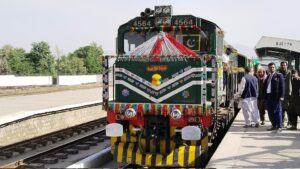
- Pakistan Railways runs the Jaffar Express (Peshawar–Quetta) and Bolan Mail (Karachi–Quetta) trains. The Quetta route through Bolan Pass is one of Pakistan’s most scenic train journeys — slow but spectacular.
8. Travel Tips & Safety for Balochistan
Safety
- Major tourist destinations are safe and regularly visited by Pakistani and international travellers. Hingol National Park, Kund Malir, Gwadar, Quetta, and Ziarat are considered accessible and welcoming.
- Always check current travel advisories from Pakistan’s Ministry of Interior and your country’s foreign office before travel.
- Travel with a registered tour operator for first visits, they handle logistics, local knowledge, and in some areas, coordinate with security escorts.
- Some remote areas require NOC (No Objection Certificate) from local authorities, particularly for foreign nationals. A reputable tour operator will handle this.
- Travel in groups and avoid solo travel to remote locations.
Permits for Foreign Visitors
Foreign nationals planning to visit restricted areas of Balochistan typically need to obtain a No Objection Certificate (NOC) from the Ministry of Interior. This process can take 4–8 weeks, so plan well in advance. Tour operators based in Quetta or Karachi specialising in Balochistan travel are the most efficient way to navigate this.
Practical Tips
- Carry significant cash. ATMs are scarce outside Quetta and Gwadar. Most hotels and shops operate on cash only.
- Mobile connectivity is patchy in rural and coastal areas. Download offline maps (Maps.me or Google Maps offline) before setting out.
- Fuel up at every opportunity. Petrol stations can be 100+ km apart on the Makran Coastal Highway.
- Carry ample water: at minimum 4–5 litres per person per day in summer, 2–3 litres in winter.
- Dress modestly. Balochistan is a conservative province. Men should wear shalwar kameez where possible; women should be fully covered in rural areas.
- Seek permission before photographing local people, particularly women. Always ask respectfully.
- Respect local shrines and religious sites. Remove footwear where required.
- Balochi and Pashtoon hospitality is genuine and remarkable. If invited into someone’s home for tea, accept. It is considered an honour. Refusing can cause offence.
- The best local guides in Quetta for Balochistan travel can be found through reputable tour companies such as Adventure Planners, Eventica Travels, and Apricot Tours.
9. Balochistan 7-Day Travel Itinerary
This itinerary covers the Makran coast and Quetta highland circuit, the two most accessible and rewarding routes for first-time visitors.
Day 1: Karachi to Kund Malir (via Makran Coastal Highway)
Depart Karachi early morning by road. Drive along the N-10 Makran Coastal Highway. Stop at Gadani Beach (famous for ship-breaking industry, an unusual spectacle). Continue to Kund Malir Beach by late afternoon. Set up camp on the beach, watch the sunset, stargaze overnight. Distance: ~250 km | Driving time: 4–5 hours with stops.
Day 2: Hingol National Park & Mud Volcanoes
Rise at dawn. Drive into Hingol National Park. Visit Chandragup mud volcanoes. Walk to the Princess of Hope rock formation. Find the Sphinx of Balochistan. Photograph the lunar landscape of the park. Continue to Ormara or Pasni for overnight stay at a guesthouse.
Day 3: Ormara Beach & Onwards to Gwadar
Morning walk on Ormara Beach (look for turtle tracks on the beach during nesting season). Continue driving to Gwadar. Arrive by late afternoon. Sunset at Hammerhead (Koh-e-Batil). Dinner at a Gwadar seafood restaurant, grilled kingfish with rice.
Day 4: Gwadar Exploration & Boat Trip
Morning: visit Gwadar Port, Gwadar Fort, fishermen’s wharf. Afternoon: arrange a boat trip toward Astola Island waters (full overnight island trip requires a separate day). Explore Gwadar’s new development. Evening: walk along East Bay Beach. Overnight Gwadar.
Day 5: Fly or Drive to Quetta
Fly from Gwadar to Quetta (1 hour) or arrange a driver via the N-85 highway. Check into hotel in Quetta. Afternoon: explore Quetta Bazaar, buy dried fruits, Balochi embroidery, and local carpets. Visit Hanna Lake at sunset for the golden reflections on the water. Dinner: authentic Sajji at one of Quetta’s famous Sajji restaurants.
Day 6: Quetta to Ziarat
Morning drive to Ziarat (130 km, about 3 hours). Stop at Urak Valley for spring blossoms or autumn orchards depending on season. Arrive in Ziarat. Walk through ancient 5,000-year-old juniper forest. Visit Quaid-e-Azam Residency. Afternoon trek in Zarghoon Mountain foothills. Overnight in Ziarat guesthouse.
Day 7: Ziarat and Return to Quetta for Flight
Morning in Ziarat, final walk through the juniper forest at dawn when it is quietest and most magical. Return to Quetta. Afternoon: visit Chiltan National Park for wildlife viewing. Depart from Quetta International Airport for your onward destination.
10. FAQs About Balochistan Tourism
Q: Is Balochistan safe for tourists in 2025–2026? Major tourist destinations including Hingol National Park, Kund Malir Beach, Gwadar, Quetta, Ziarat, and the Makran Coastal Highway are regularly visited by both Pakistani and international travellers. The key is to use registered tour operators, follow current advisories, and travel with local guides. Many areas now have dedicated tourist security arrangements.
Q: What is the best time to visit Balochistan? October to March is ideal for coastal and desert areas. For Quetta and Ziarat, April to September offers the most pleasant highland temperatures. Avoid visiting coastal and desert areas in summer (May–August) due to extreme heat.
Q: Do foreigners need a special permit to visit Balochistan? Many areas can be visited without restriction. However, some sensitive zones require a No Objection Certificate (NOC) from the Ministry of Interior. A registered tour operator will advise you and handle the paperwork, allow 4–8 weeks for foreign national permits.
Q: What is Balochistan famous for? Balochistan is famous for its stunning Makran coastline, Hingol National Park, the Princess of Hope rock formation, Kund Malir Beach, the world’s second-largest juniper forest in Ziarat, Pakistan’s only coral island (Astola), the ancient Mehrgarh civilization, Balochi Sajji cuisine, and the Sibi Mela cultural festival.
Q: How do I get to Gwadar? Fly from Karachi to Gwadar (approximately 1 hour via PIA), or drive along the Makran Coastal Highway (N-10) from Karachi, approximately 8–12 hours. The road journey is highly recommended for the scenery.
Q: What food should I try in Balochistan? Sajji (slow-roasted whole lamb), Kaak bread, Landhi (dried meat), Tabaheg (meat and rice with pomegranate), Dampukht (sealed clay pot rice), and fresh grilled seafood in coastal towns. In Quetta, also try the local dry fruits and Balochi green tea.
Q: Is Kund Malir Beach accessible without a 4WD? Kund Malir is accessible via the paved Makran Coastal Highway, so a regular vehicle can reach it. However, the beach itself and areas inside Hingol National Park benefit significantly from a 4WD for off-road exploration.
Q: Can I camp in Balochistan? Yes, Kund Malir Beach and Astola Island are particularly popular camping destinations. Camping in Hingol National Park, on Ormara Beach, and in the Ziarat juniper forest is also possible. Always inform local authorities or your tour operator of camping plans.
Q: What are the hidden gems of Balochistan? Moola Chotok (a secret river gorge in Khuzdar), Sapat Beach (bioluminescent water), Pir Ghaib Waterfall (Bolan Valley), Mehrgarh archaeological site, and the Chandragup mud volcanoes are among the lesser-known but breathtaking destinations.
Q: How many days do I need to explore Balochistan? A minimum of 7 days is recommended to cover the Makran coastal circuit and Quetta-Ziarat highland loop. For a more thorough exploration including Gwadar, Astola Island, Moola Chotok, and Mehrgarh, allow 12–15 days.
Final Word: Balochistan Awaits
Balochistan is not a destination you simply visit, it is one you carry with you long after you leave. The scale of its silence, the warmth of its people, the smell of juniper on a mountain breeze, a horizon where golden desert meets a turquoise sea, these are experiences that do not fit into ordinary photographs or ordinary words.
Pakistan’s travel narrative has long been dominated by the north: Hunza, Skardu, K2. Balochistan deserves equal billing. It has beaches that rival the Maldives in clarity, a coastline longer than any other Pakistani province, ancient ruins that predate the pharaohs, and a culture of breathtaking depth.
The road is open. The adventure begins in Balochistan.
Last Updated: June 2026 | Sources: Field research, Pakistan Tourism Development Corporation, local tour operators, Pakistan’s Ministry of Tourism, and on-ground traveller reports.