News Desk: The federal government has unveiled a Rs18.8 trillion budget for FY2026-27, introducing tax relief for salaried individuals, a 7 percent increase in government salaries and pensions, a major expansion of social welfare spending, and a landmark $1 billion Artificial Intelligence development programme.
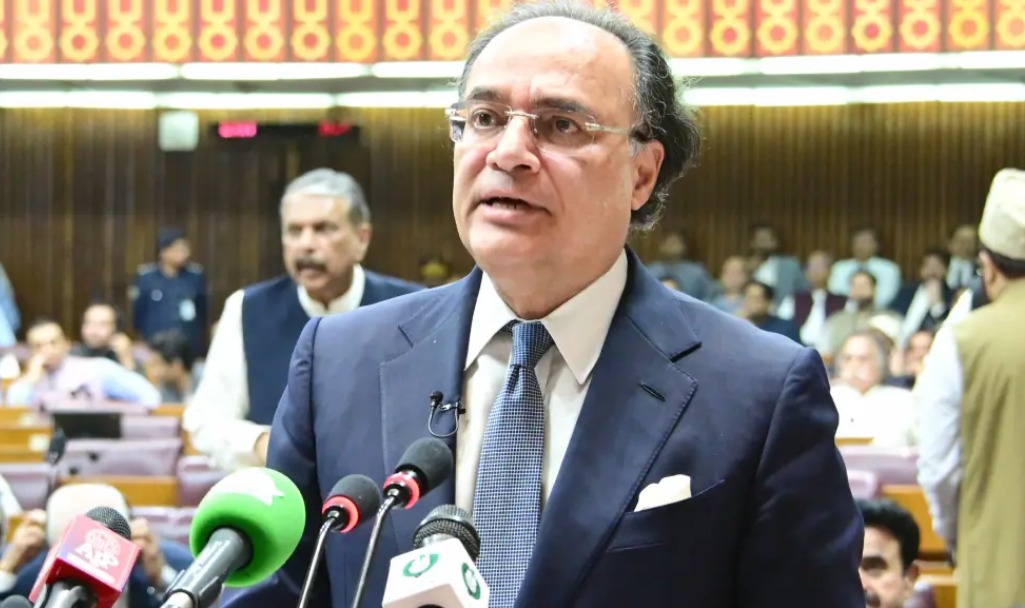
Presenting the budget in the National Assembly on Friday, Finance Minister Muhammad Aurangzeb announced a series of measures aimed at accelerating economic growth, boosting exports, supporting low-income families, and strengthening Pakistan’s fiscal position.
Among the key relief measures, the government proposed lower income tax rates for several salaried income brackets and the abolition of the 9 percent surcharge on salaried taxpayers. The withholding tax on international debit and credit card transactions has also been slashed from 5 percent to just 0.5 percent, providing relief to overseas shoppers and travellers.
In another significant move, taxes on sanitary pads and contraceptives have been completely withdrawn. The government has also extended the Final Tax Regime for IT companies and freelance exporters until 2030 to encourage investment and growth in Pakistan’s technology sector.
To ease financial pressure on households, the budget includes a 7 percent increase in salaries and pensions for federal employees, while the minimum wage is proposed to rise by 10 percent. The allocation for the Benazir Income Support Programme (BISP) has been increased by 17 percent to Rs838 billion, expanding coverage to an estimated 12 million families across the country.
The government has earmarked Rs71 billion for the Prime Minister’s Apna Ghar housing scheme, offering affordable mortgage financing at a concessional 5 percent markup rate. Additionally, the National Artificial Intelligence Ecosystem Development Programme has been launched as a flagship $1 billion initiative designed to accelerate digital transformation and innovation.
For the upcoming fiscal year, the government has set a GDP growth target of 4 percent and projected average inflation at 8.2 percent. Tax revenues are expected to reach Rs15.26 trillion, while the fiscal deficit is targeted at 3.6 percent of GDP.
The budget also allocates Rs3 trillion for defence spending and Rs1 trillion for the Public Sector Development Programme (PSDP), reflecting the government’s focus on national security and infrastructure development.
Highlighting recent economic improvements, Aurangzeb said Pakistan’s economy has expanded to $452 billion, foreign exchange reserves have climbed to $17 billion, and annual remittances are expected to exceed $41 billion by the end of the current fiscal year.
The budget session was marked by heated protests from opposition lawmakers, who criticised the government’s economic policies and staged demonstrations inside parliament. Despite political tensions, the government described the budget as a roadmap for sustainable growth, investment promotion, export expansion, and economic stability.