Ali Hamza, Haseeb Khan :
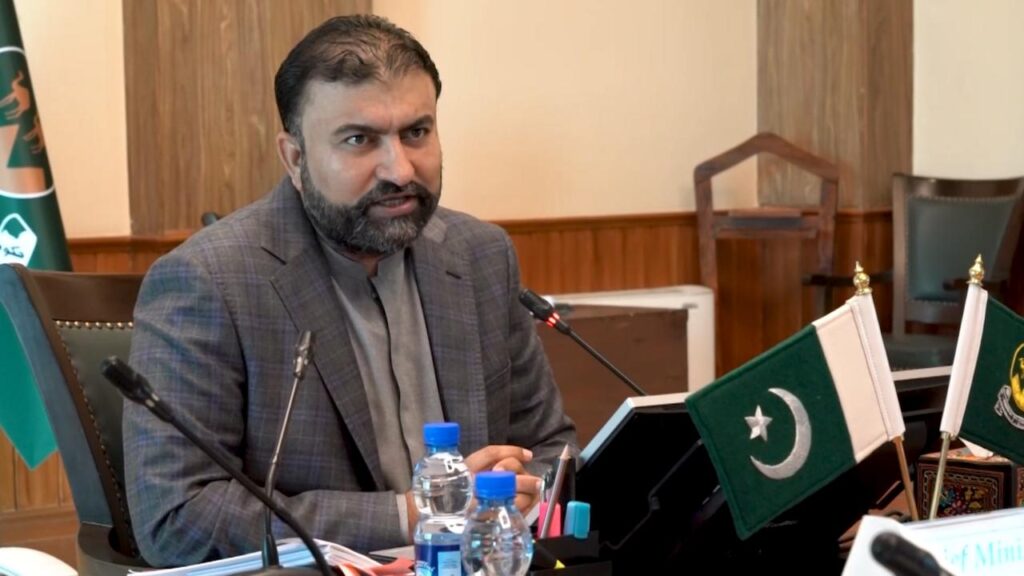
QUETTA — Advanced medical transport is only as effective as the vital supplies it carries. In a recent policy statement, Chief Minister Mir Sarfraz Bugti pointed out that the operational success of the newly deployed Peoples Air Ambulance Service depends heavily on a stable, safe blood supply chain during high-speed emergency evacuations.
Speaking on the challenges of rural healthcare delivery, the Chief Minister emphasized that while helicopters solve the issue of geographic distance, saving lives ultimately comes down to immediate, on-board medical resources.
Air Ambulance Service Faces Operational Realities
Balochistan’s massive, rugged terrain has long complicated timely medical treatment for rural residents. The Peoples Air Ambulance Service was introduced as a logistical fix to bypass broken road networks and rapidly move critical patients to specialized trauma centers.
However, Chief Minister Bugti clarified that flying patients out of remote zones is only half the battle, stating:
”The Peoples Air Ambulance Service started by the Government of Balochistan is playing an important role in providing timely medical assistance and better treatment facilities to the patients of remote and backward areas, while the availability of safe blood holds key importance in saving the lives of the patients shifted through this service.”
According to provincial data, emergency trauma cases, pregnancy complications, and sudden surgeries create a constant demand for immediate transfusions. Bugti noted that because “the lives of patients facing accidents, surgeries, and maternal complications are tied to the timely provision of blood,” the provincial emergency response network cannot function in isolation from local blood donation registries.
Chronic Medical Demands Strain Regional Blood Banks
The pressure on the province’s blood supply isn’t limited to airborne trauma cases. Highlighting the broader health ecosystem, Provincial Advisor for Environment and Climate Change, Naseem ur Rehman Khan Mula Khel, noted that thousands of Thalassemia patients across the region—mostly young children—rely on predictable, monthly blood transfusions just to survive.
The administration has urged local civic groups, student bodies, and non-profits to build a more reliable culture of voluntary donation. Officials emphasize that maintaining well-stocked, screened blood banks on the ground is the only way to ensure that high-tech initiatives like the air ambulance can actually deliver on their life-saving promises.
Safe Blood Supply Critical to Balochistan’s Air Ambulance Success, Says CM Bugti