By Our Correspondent: Pakistan is among 18 countries that will face a new 10% U.S. import tariff after the United States announced fresh Section 301 trade measures, citing concerns over the enforcement of restrictions on goods allegedly produced with forced labor.
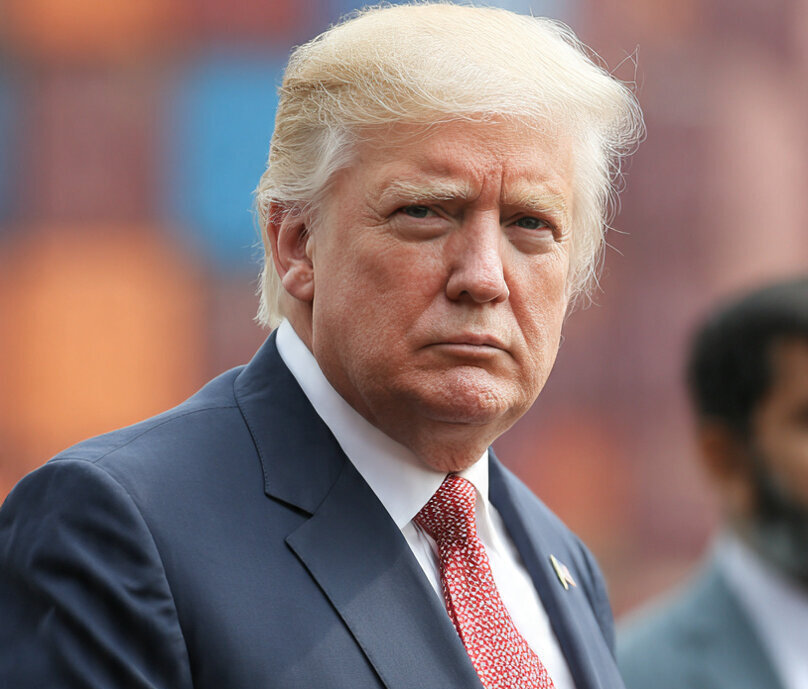
The new U.S. tariff on Pakistan took effect on Friday immediately after the expiry of a temporary global 10% tariff. The move marks the first major trade action by the U.S. administration following the Supreme Court’s decision to strike down President Donald Trump’s earlier reciprocal tariff policy.
According to the U.S. Federal Register, the 10% tariff on Pakistan exports to the United States also applies to imports from Canada, India, Bangladesh, the United Kingdom, Malaysia, Mexico, Indonesia, Argentina, Sri Lanka, Jordan, Cambodia, Guatemala, Honduras, Ecuador, El Salvador, and Trinidad and Tobago.
U.S. Trade Representative Jamieson Greer said the Section 301 tariffs were introduced because the United States believes some trading partners have not effectively enforced bans on goods linked to forced labor. He added that the U.S. has maintained such restrictions for decades and expects its trading partners to strengthen enforcement.
The new tariffs cover nearly all imports into the United States. However, Pakistan exports such as products falling under exemptions, including oil and gas, fertilizers, selected food items, aircraft and aircraft parts, critical minerals, and goods already subject to national security tariffs like steel, aluminum, copper, and automobiles, will not be affected by the additional duty.
The United States also imposed 12.5% tariffs on another group of countries, including China and Vietnam. Meanwhile, the European Union, Japan, South Korea, Taiwan, and Switzerland received tariff rates that, combined with existing duties, total either 10% or 12.5%.
Several countries, including China, Australia, Brazil, Norway, and the European Union, criticized the new U.S. trade measures, arguing that the tariffs lack sufficient legal and economic justification. Washington, however, maintains that the Section 301 tariffs are intended to strengthen global enforcement against forced labor in international supply chains.
The latest measures cover 99.4% of all U.S. imports, although hundreds of products remain exempt under the revised tariff framework.