Sameera Rajput
QUETTA: Balochistan has decided to place local communities at the centre of efforts to tackle climate change, restore degraded ecosystems, protect natural resources and create sustainable livelihood opportunities across vulnerable areas of the province.
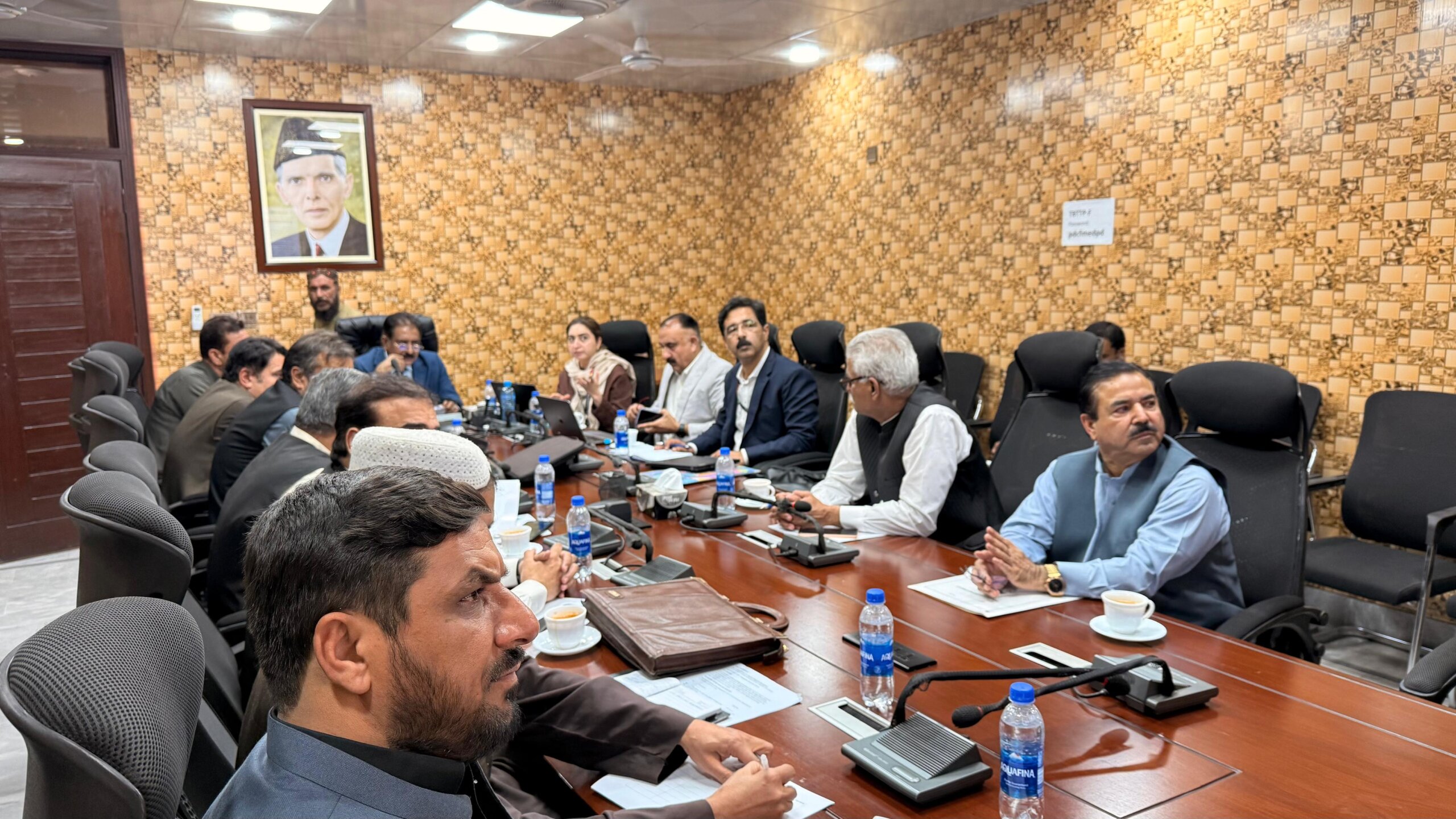
The decision was taken at a joint consultative meeting chaired by the Secretary of the Balochistan Forests and Wildlife Department. A team from the United Nations Development Programme (UNDP) Islamabad office and senior officials from relevant provincial departments attended the meeting.
Officials discussed two major project concepts focused on climate change adaptation, environmental restoration, natural resource management and sustainable livelihoods.
Representatives from the offices of the Chief Conservators of Forests, the Livestock Department, the Climate Change and Environment Department and the Irrigation Department also participated.
Community-Based Approach Proposed
The meeting agreed in principle that the climate adaptation initiative should be implemented through community-based organizations (CBOs), with financial assistance reaching local communities through these organizations.
Officials emphasized that target areas should not be selected solely on the basis of predetermined lists. Instead, provincial departments, local representatives and communities should be consulted before finalizing project locations.
The meeting also proposed involving the Revenue Department in identifying target areas by reviewing Wajib-ul-Arz records to identify community-owned or community-used grazing lands.
Officials stressed that the projects should go beyond conventional infrastructure development. Improving local employment, household incomes and sustainable livelihoods should remain a key priority.
Restoration of Up to 40,000 Hectares Planned
The second project will focus on restoring degraded watershed areas and ecosystems across Balochistan.
The proposed project aims to restore approximately 35,000 to 40,000 hectares of land, with an estimated 65,000 to 70,000 people expected to benefit directly.
Following government endorsement and regional technical approval by UNDP, the project concept is expected to be submitted to the Adaptation Fund in February 2027 for financial support.
Baseline Assessment of Water Resources Proposed
Participants also proposed conducting a baseline assessment of surface and groundwater resources in the targeted watershed areas.
The assessment would establish reliable data on existing water availability and help measure the impact of interventions such as water storage, rainwater harvesting and restoration of natural waterways.
Officials said scientific baseline data would also make it possible to assess the effectiveness of the projects after implementation.
Projects to Undergo Further Review
The meeting gave in-principle approval to both project concepts. However, the proposals will first be submitted to the Balochistan Planning and Development Department for review.
Following its approval, the projects will require formal endorsement by the Government of Balochistan. A No Objection Certificate (NOC) will also be sought from the Ministry of Climate Change and Environmental Coordination, which serves as the national focal institution for the Adaptation Fund.
Balochistan faces growing challenges linked to climate change, water scarcity, land degradation, declining soil fertility and rangeland degradation. Officials and experts believe that involving local communities in decision-making and implementation could strengthen environmental protection while creating sustainable economic opportunities for thousands of families.