News Desk
Islamabad : A Senate subcommittee on less-developed areas has reviewed Balochistan’s development projects and the implementation of the province’s quota in federal jobs, while raising concerns over the proposed design of the Panjgur Dam and its potential impact on local communities, agricultural land and traditional irrigation systems.
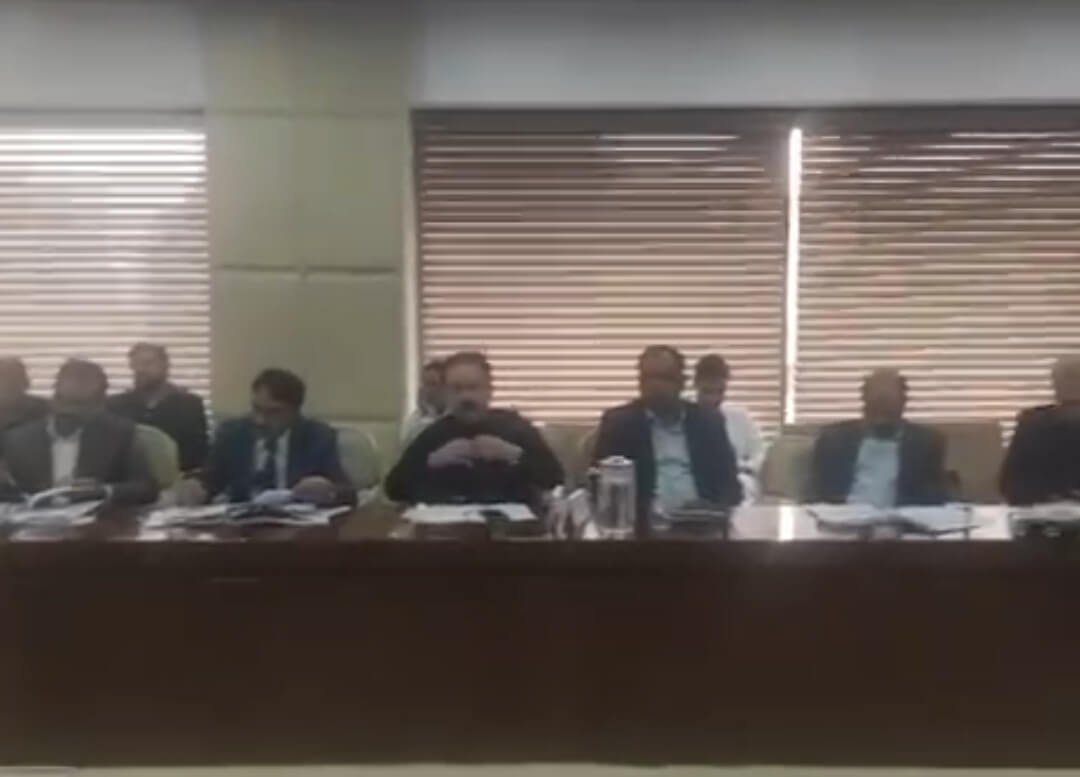
The meeting, chaired by Senator Jan Muhammad Buledi at Parliament House, reviewed the Aghaz-e-Huqooq-e-Balochistan Package, ongoing development schemes and recruitment against Balochistan’s quota in federal ministries, divisions and autonomous institutions.
Officials told the committee that complete and updated data on appointments against Balochistan’s federal quota was not available. The Establishment Division is now compiling fresh data on vacancies, appointments and allocated quotas. The committee directed authorities to submit separate details for Grade 1–5 and Grade 6–16 posts. Buledi also demanded details of the 5,000 posts allocated to Balochistan and stressed that the province must receive its due share in federal employment.
Federal Minister for Planning Ahsan Iqbal said around Rs200 billion had been allocated for development projects in Balochistan. He said the N-25 project, costing more than Rs400 billion, was targeted for completion within two years.
The committee expressed particular concern over the Panjgur Dam. Officials said the project is designed to irrigate around 25,000 acres, while its revised design now proposes pipelines instead of open canals to protect agricultural land and thousands of date-palm trees.
The project director said Panjgur previously had 118 karezes, irrigating nearly 6,000 acres, but 72 have been affected by changing water-extraction practices.
The committee also sought a detailed WAPDA report on the Gish Kaur Dam, including its potential impact on downstream agriculture and water flows to Mirani Dam.
The committee stressed that Balochistan’s development projects must prioritize local communities, agricultural resources, employment, transparency and traditional irrigation systems.