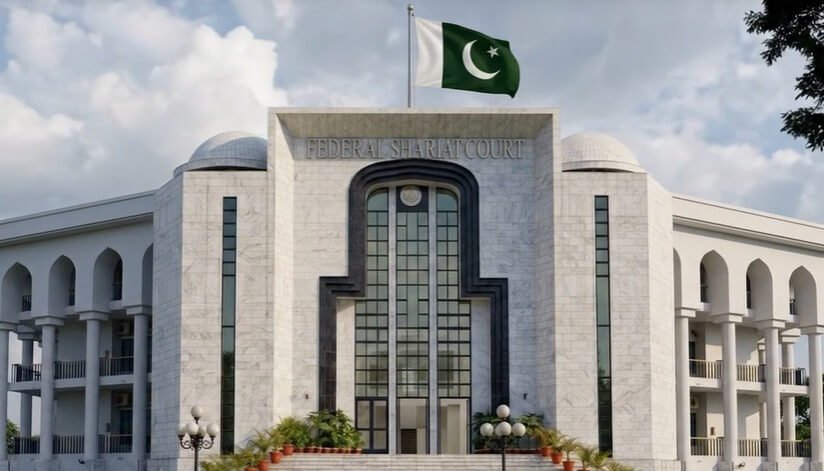
Haseeb Khan: The Federal Constitutional Court (FCC) on Thursday restrained the Peshawar High Court (PHC) from hearing petitions challenging the detention of Pakistan Tehreek-e-Insaf (PTI) workers and activists under the Maintenance of Public Order (MPO) Ordinance in Khyber Pakhtunkhwa.
The order was issued by a two-member bench headed by Chief Justice Aminuddin Khan and comprising Justice Aamer Farooq while hearing more than 60 appeals filed by the provincial government against interim relief granted to the detainees by the PHC.
The PHC had granted interim bail to the detained PTI workers against surety bonds of Rs100,000 each and directed authorities not to arrest them while their detention cases remained pending. The high court had issued the orders after the provincial government failed to submit reports explaining the grounds for their preventive detention.
The PHC is scheduled to hear the cases again on November 12.
The appeals were filed by the Additional Chief Secretary of the KP Home and Tribal Affairs Department. The FCC restrained the high court from proceeding further and issued notices to the respondents, allowing them to submit their replies.
Appearing on behalf of the provincial government, KP Advocate General Sanaullah Khan argued that the PHC’s interim orders had been challenged under Article 245 of the Constitution, which provides for the deployment of armed forces in aid of civil power.
Referring to Article 245(3), he maintained that high courts could not exercise jurisdiction under Article 199 in areas where the armed forces were performing duties in support of civil authorities.
Justice Aamer Farooq questioned the government’s interpretation, observing that high courts routinely received petitions under Article 199 and asking whether the constitutional provision prevented them from hearing such cases.
The advocate general responded that certain matters, including tenancy disputes, could still be entertained where they had been referred to the relevant competent forums.
During the hearing, former Additional Advocate General Shah Faisal Ilyas, representing one of the parties, objected to the issuance of a restraining order without first hearing all sides. He also questioned the legal grounds cited by the provincial government against the PHC’s interim orders.
Chief Justice Aminuddin Khan directed the counsel to examine the court’s order and submit formal objections, while ordering notices to be issued to the respondents.
The KP advocate general also referred to Article 10 of the Constitution, which provides safeguards relating to arrest and detention. He argued that the MPO provisions allowed the government to order preventive detention based on its assessment of potential threats to public safety and law and order.
The FCC’s intervention follows the federal government’s decision on October 11 to impose an emergency and governor’s rule in Khyber Pakhtunkhwa. The federal government had accused the provincial administration of deliberately disengaging from efforts to combat terrorism.
The move drew criticism from opposition leaders, including Jamiat Ulema-i-Islam-Fazl chief Maulana Fazlur Rehman, National Assembly Opposition Leader Mehmood Khan Achakzai and Senate Opposition Leader Raja Nasir Abbas.
Political tensions between the Centre and opposition parties had already intensified after PTI announced a protest march towards Islamabad to demand the release of its jailed founder, Imran Khan. Negotiations between the government and opposition ahead of the imposition of governor’s rule failed to produce an agreement.
Several PTI leaders, workers and lawmakers were detained following the October 11 decision. Sohail Afridi, who ceased to function as chief minister after governor’s rule was imposed, was also taken into custody.
The Peshawar High Court continues to hear petitions challenging the detentions, including the case involving Sohail Afridi.