By Atta Kakar
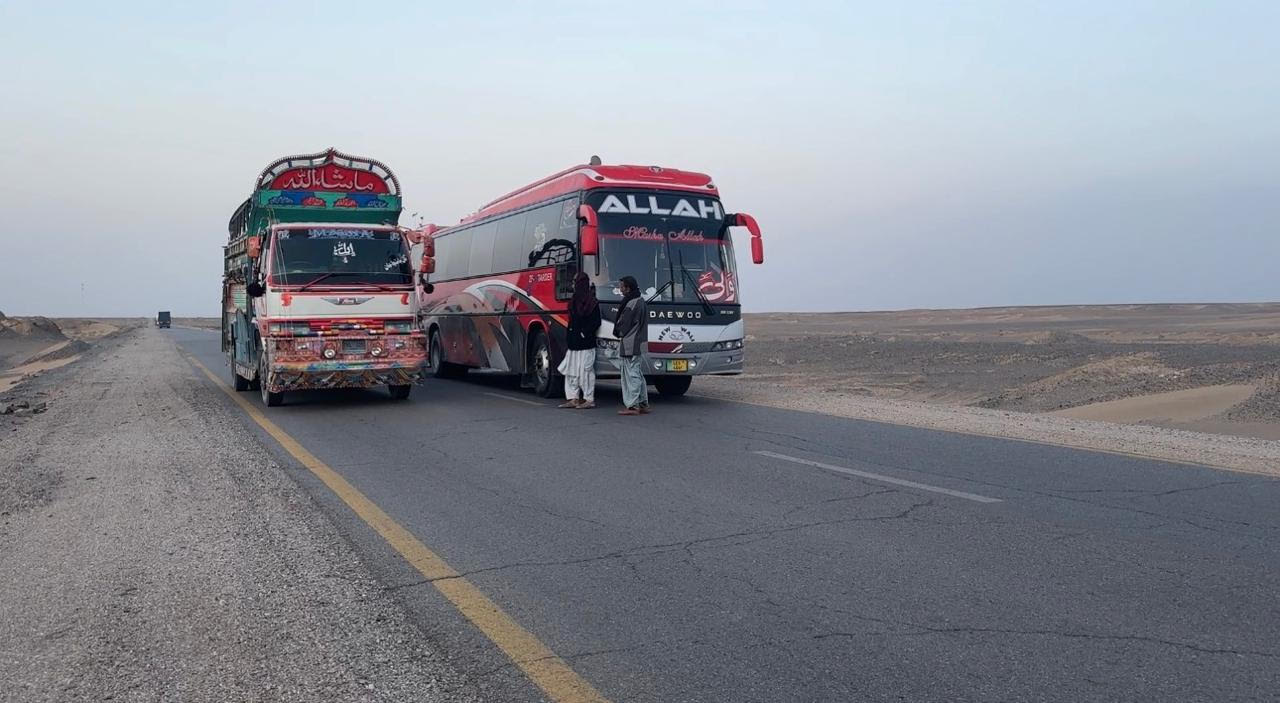
QUETTA: The N-40, also known as the RCD Highway, is a 630-kilometer route connecting Quetta with Taftan, Pakistan’s main border crossing with Iran. Constructed under the 1964 Regional Cooperation for Development (RCD) initiative by Pakistan, Iran, and Turkey, the highway remains a vital corridor for trade and cross-border travel. Despite its strategic importance, it operates with minimal safety infrastructure, limited traffic enforcement, and almost no dedicated emergency response facilities along most of its length.
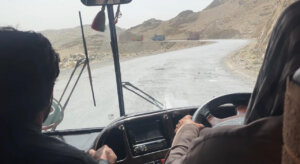
Long stretches of the highway reportedly see reckless driving, with vehicles frequently overspeeding and overtaking dangerously. Some passenger coaches have been found operating without functional speedometers, highlighting gaps in routine vehicle inspections. Observers also note a lack of patrolling by the National Highways and Motorway Police (NHMP) and minimal enforcement of traffic safety regulations along the route.
Balochistan’s road safety record underscores the risks faced by highway users. According to Medical Emergency Response Centers (MERC) 1122, 53,457 accidents occurred on provincial highways between October 2019 and September 2024, resulting in 73,084 injuries and 1,327 deaths. Motorcycles accounted for 82% of these accidents, followed by small vehicles at 12% and large vehicles at 6%. MERC 1122 currently operates 22 fully functional centers on major highways including N-25, N-50, N-85, N-65, and N-70. However, the N-40 remains largely uncovered.
MERC 1122, established in October 2019, provides first aid to accident victims, transports them to hospitals, and maintains centralized coordination through its head office in Quetta. So far, the system has conducted 24,206 outpatient services across its centers. Authorities have indicated plans to expand MERC 1122 and other emergency response facilities to cover additional highways, including the N-40, but implementation has been delayed.
Proposals to establish MSC-style service centers along the N-40 including rest areas, repair workshops, washrooms, and medical aid stations have not yet been executed due to shifting administrative priorities and bureaucratic delays. Observations indicate that some stretches between Lakpass and Taftan remain without hotels, repair shops, or any first aid facilities, forcing travelers to cover hundreds of kilometers without support in case of accidents or emergencies.
The highway’s importance as a trade corridor and travel route for passengers, transporters, and those crossing the border into Iran makes its neglect particularly concerning. In 2025 alone, more than 24,000 road accidents were reported in Balochistan, resulting in over 400 deaths and around 30,000 injuries. Officials warn that without enforcement, monitoring, and operational emergency services, the N-40 remains one of the province’s most dangerous highways.
Authorities have emphasized that the establishment of emergency response centers and enhanced policing along major highways is essential to improve road safety and protect travelers. However, the N-40 continues to lack sufficient infrastructure despite its critical role in trade and cross-border connectivity.
The N-40 highway remains a crucial artery for commerce and travel in Balochistan. Without proper emergency and safety measures, travelers are left vulnerable to avoidable accidents and fatalities.