By Dr Rubaba Khan Buledi:
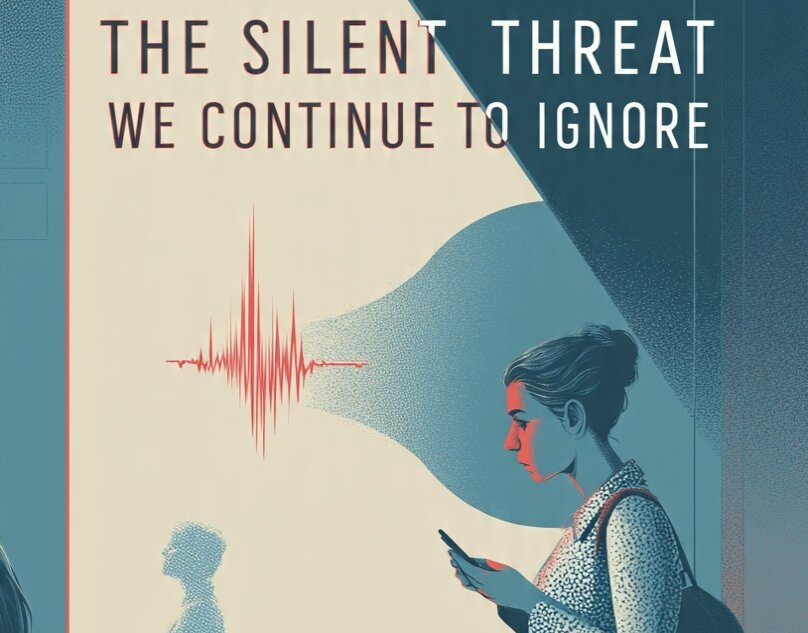
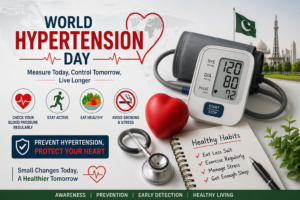
Every year, World Hypertension Day reminds us of a health crisis that continues to grow quietly across the globe. Unlike many diseases that arrive with immediate warning signs, hypertension often develops silently. A person may appear healthy, continue daily routines, and feel physically normal while high blood pressure gradually damages the heart, kidneys, brain, and blood vessels. This is why medical experts across the world describe hypertension as the silent killer.
In Pakistan, the burden of hypertension is increasing at an alarming pace. Rapid urbanisation, unhealthy eating habits, physical inactivity, smoking, stress, and lack of routine medical checkups have created conditions where cardiovascular diseases are becoming more common among both older and younger populations. Unfortunately, many individuals only discover they have high blood pressure after suffering from serious complications such as stroke, heart disease, or kidney failure.
Women Neglect Their Own Health, Prioritise Family
What makes hypertension particularly dangerous is the lack of awareness surrounding it. In many households, people still consider blood pressure problems to be temporary conditions caused only by stress or fatigue. Self-medication and delayed medical consultation remain common practices. A large number of patients discontinue medicines once they start feeling better, without understanding that hypertension often requires lifelong management and regular monitoring.
The challenge becomes even more serious in developing regions where access to healthcare facilities remains limited. In rural and remote areas, many people are unable to undergo routine health screenings due to economic difficulties, long travel distances, or lack of awareness. Women, especially in conservative societies, frequently neglect their own health while prioritising family responsibilities. As a result, hypertension often remains undiagnosed until it reaches dangerous stages.
Another worrying trend is the increasing prevalence of hypertension among younger people. Fast food consumption, excessive use of digital devices, reduced physical activity, and rising mental stress are contributing significantly to this issue. The modern lifestyle has distanced many people from healthy daily habits that once naturally supported physical wellbeing. Walking has been replaced by prolonged sitting, home-cooked meals by processed food, and social interaction by constant digital engagement.
Public Awareness Campaigns are Essential
Mental health also plays an important role in blood pressure related illnesses. Economic uncertainty, unemployment, work related pressure, and social stress contribute heavily to anxiety and chronic tension. When stress becomes a permanent part of life, it directly affects the cardiovascular system. Unfortunately, mental health awareness remains weak in many societies, where emotional wellbeing is often ignored or misunderstood.
Preventing hypertension does not always require expensive treatment. In many cases, small but consistent lifestyle changes can significantly reduce health risks. Balanced diets, reduced salt intake, regular exercise, proper sleep, and avoidance of smoking can greatly improve cardiovascular health. Even simple daily habits such as walking for thirty minutes, drinking enough water, and managing stress levels can make a noticeable difference.
Public awareness campaigns are essential in this regard. Governments, healthcare institutions, educational organizations, and media platforms must work together to educate people about the dangers of uncontrolled blood pressure. Schools and colleges should also encourage health education programs that teach young people the importance of nutrition, physical activity, and preventive healthcare.
Technology can also become an effective tool in tackling hypertension. Telemedicine, mobile health applications, and digital awareness campaigns can help reach communities that lack direct access to medical professionals. Regular blood pressure monitoring devices are now more accessible and can help individuals take responsibility for their own health. However, technology alone cannot solve the problem without public willingness to adopt healthier lifestyles.
A Healthier Society Cannot be Built Through Hospitals Alone
Healthcare systems must shift their focus from treatment alone to prevention and early diagnosis. Preventive healthcare is not only more effective but also more affordable in the long term. Hospitals across Pakistan continue to face increasing pressure from patients suffering from preventable cardiovascular complications. Investing in awareness and early intervention can reduce this burden significantly.
Women’s health deserves special attention in discussions surrounding hypertension. Pregnancy related hypertension, hormonal changes, nutritional deficiencies, and limited healthcare access place many women at greater risk. Community level awareness programs targeting mothers and families can play a vital role in early detection and treatment.
The role of family support is equally important. Healthy living becomes easier when families collectively adopt positive habits. Shared meals with balanced nutrition, reduced dependence on unhealthy food, and encouragement for physical activity can create healthier communities from within households themselves.
World Hypertension Day should not remain a symbolic observance marked only through seminars and official statements. It should encourage serious reflection on how modern lifestyles are affecting public health. Hypertension is no longer a disease affecting only the elderly. It is becoming a widespread societal challenge that requires collective responsibility and long term commitment.
A healthier society cannot be built through hospitals alone. It requires awareness, discipline, preventive care, and responsible choices at both individual and community levels. The fight against hypertension begins not in emergency rooms but in our homes, schools, workplaces, and daily routines.
If societies truly wish to reduce the growing burden of cardiovascular disease, they must recognize one simple reality. Prevention is always more powerful than cure.