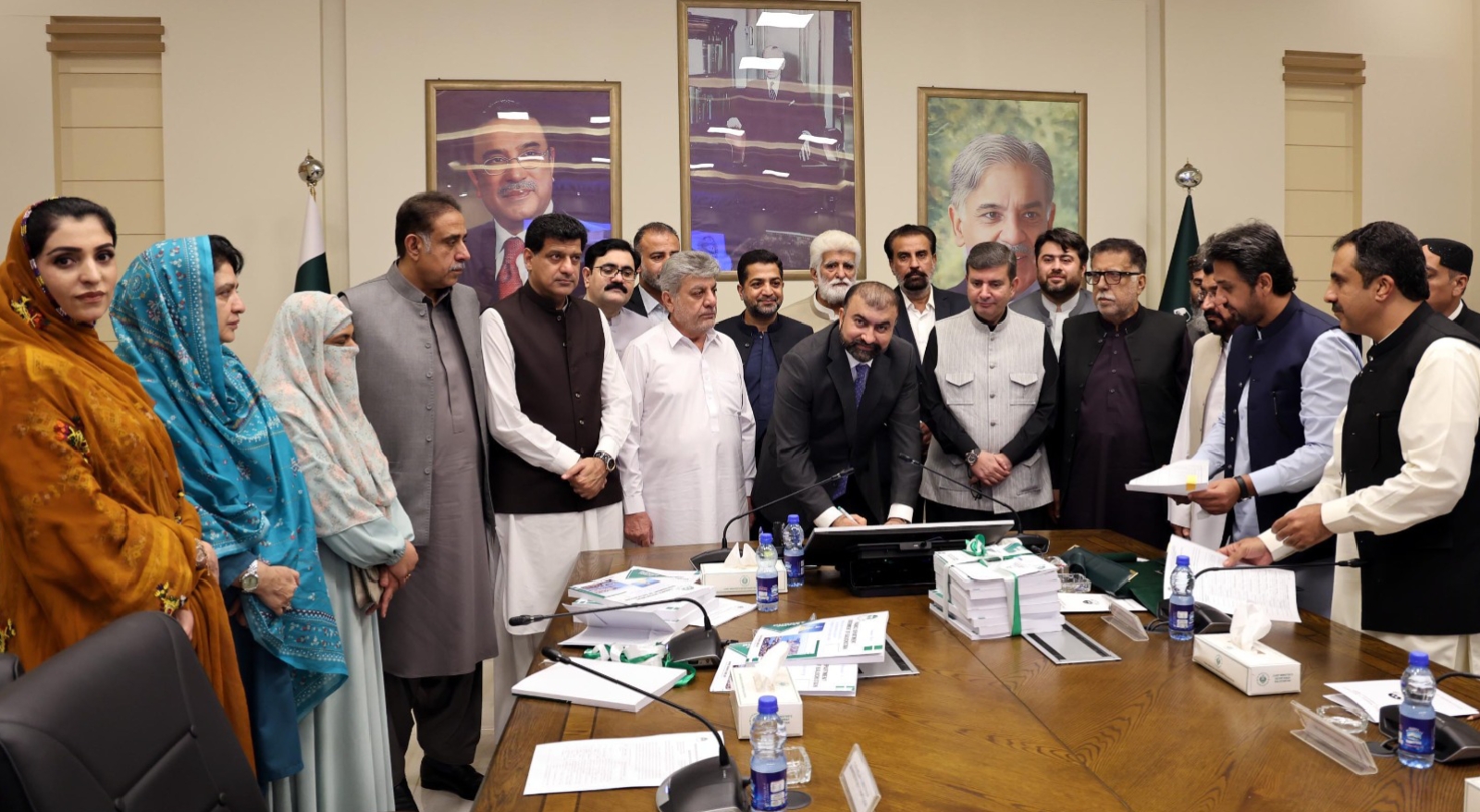
Syed Ali Shah, Ali Hamza, News Desk
QUETTA: The Government of Balochistan has presented a historic Rs 1.089 trillion surplus budget for the fiscal year 2026-27, focusing on healthcare, education, digital governance, infrastructure development, and fiscal reforms aimed at strengthening the province’s economy.
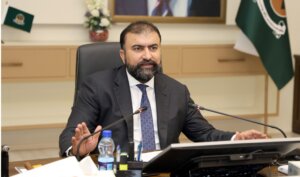
Presenting the Balochistan Budget 2026-27 in the Provincial Assembly on Wednesday, Finance Minister Mir Shoaib Nosherwani announced total estimated revenue receipts of Rs 1.134 trillion, resulting in a fiscal surplus of Rs 45.56 billion.
Balochistan Budget 2026-27: Key Highlights
The provincial government has introduced a people-centric budget designed to enhance public services, improve governance, and accelerate economic growth. Key relief measures include:
– 7% increase in salaries and pensions for government employees
– Creation of 5,000 new government jobs
– Expanded investments in healthcare and education
– Introduction of digital revenue collection systems
– Adoption of Zero-Based Budgeting (ZBB)
– Climate and gender-focused development planning
Budget Outlay and Revenue Details
The total budget allocation of Rs 1,089.26 billion has been distributed across operational and development sectors as follows:
– Total Revenue Receipts: Rs 1,134.92 billion
– Total Budget Outlay: Rs 1,089.26 billion
– Current & Non-Development Expenditure: Rs 797.82 billion
– Provincial PSDP: Rs 206 billion
– Federal Development Grants: Rs 44.56 billion
– Foreign Project Assistance (FPA): Rs 40.38 billion
– Budget Surplus: Rs 45.56 billion
Digital Governance Reforms and AI-Based Budgeting
Under Chief Minister Mir Sarfraz Bugti, the provincial government is introducing major governance reforms aimed at enhancing transparency and reducing corruption.
A new digital payment platform, “Balochistan E-Pay,” has been launched to eliminate manual tax collection. All provincial taxes, duties, and service fees will now be collected online and deposited directly into the provincial treasury.
The government is also implementing Zero-Based Budgeting (ZBB), requiring departments to justify every expenditure from the ground up. Following a successful AI-based recruitment initiative, authorities aim to further improve transparency and efficiency in public administration.
For the first time, development projects will undergo climate and gender tagging, ensuring sustainable and inclusive growth across the province.
Healthcare Budget Increased by 30%
The health sector budget has received a substantial boost, increasing by 30% to Rs 90 billion, compared to Rs 71 billion in the previous fiscal year.
Major healthcare allocations include:
– Rs 6 billion for the Balochistan Health Card Program
– Rs 8.5 billion for essential medicines
– Rs 1.3 billion for the New Trauma Center in Quetta
– Rs 735 million for Mastung Memorial Hospital
– New Thalassemia Centers in Gwadar and Kech
The enhanced healthcare spending aims to improve access to quality medical services across Balochistan.
Education Budget Reaches Rs 144 Billion
The provincial government has allocated Rs 144 billion for education, marking a 15% increase from the previous year.
Key education initiatives include:
– Rs 115 billion for primary and secondary education
– Rs 8 billion for upgrading schools
– Rs 8 billion in grants for public universities
– Rs 2 billion performance-based funding linked to institutional KPIs
– Fiber-optic internet connectivity for schools and colleges
The investments are expected to improve educational infrastructure and promote digital learning throughout the province.
Agriculture and Food Security Initiatives
To support farmers and strengthen food security, the government has announced:
– Rs 1 billion for the Kisan Card Program
– Rs 3.8 billion for solarization of agricultural tube wells
– Public-Private Partnership (PPP) model for commodity storage management
– Maintenance of a 100,000-metric-ton strategic wheat reserve
These measures are designed to reduce farming costs and enhance agricultural productivity.
Safe City Projects and Judicial Modernization
The government has allocated significant funding for law enforcement and judicial reforms.
Key allocations include:
– Rs 1 billion for Phase-II of the Balochistan Forensic Science Agency (BFSA)
– Expansion of Safe City surveillance systems across major cities
– Rs 1.2 billion for modernization of courts through E-Courts technology
The initiatives aim to improve public safety, forensic capabilities, and judicial efficiency.
Record Development Spending Achieved
Finance Minister Shoaib Nosherwani highlighted that Balochistan achieved a record 115% utilization of development funds during the outgoing fiscal year, compared to historical utilization rates of approximately 53%.
According to the government, a total of 2,966 development projects were completed or initiated under the current administration, reflecting improved project execution and financial management.
Toward a Digital and Self-Reliant Economy
Despite continued dependence on federal transfers under the National Finance Commission (NFC) Award, the Balochistan Budget 2026-27 represents a major shift toward digital governance, fiscal discipline, transparent budgeting, and sustainable development.
With a projected Rs 45.56 billion surplus, the provincial government aims to strengthen economic stability, improve public services, and lay the foundation for a more self-reliant and technology-driven future.