Haseeb Khan: The chairman of the Balochistan Assembly’s Standing Committee on Public Health Engineering, Maulana Noorullah, has opposed the Balochistan Public Health Engineering Bill 2026, saying the proposed legislation does not adequately protect public interests.
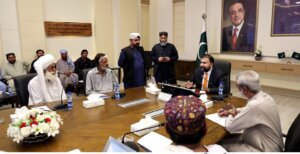
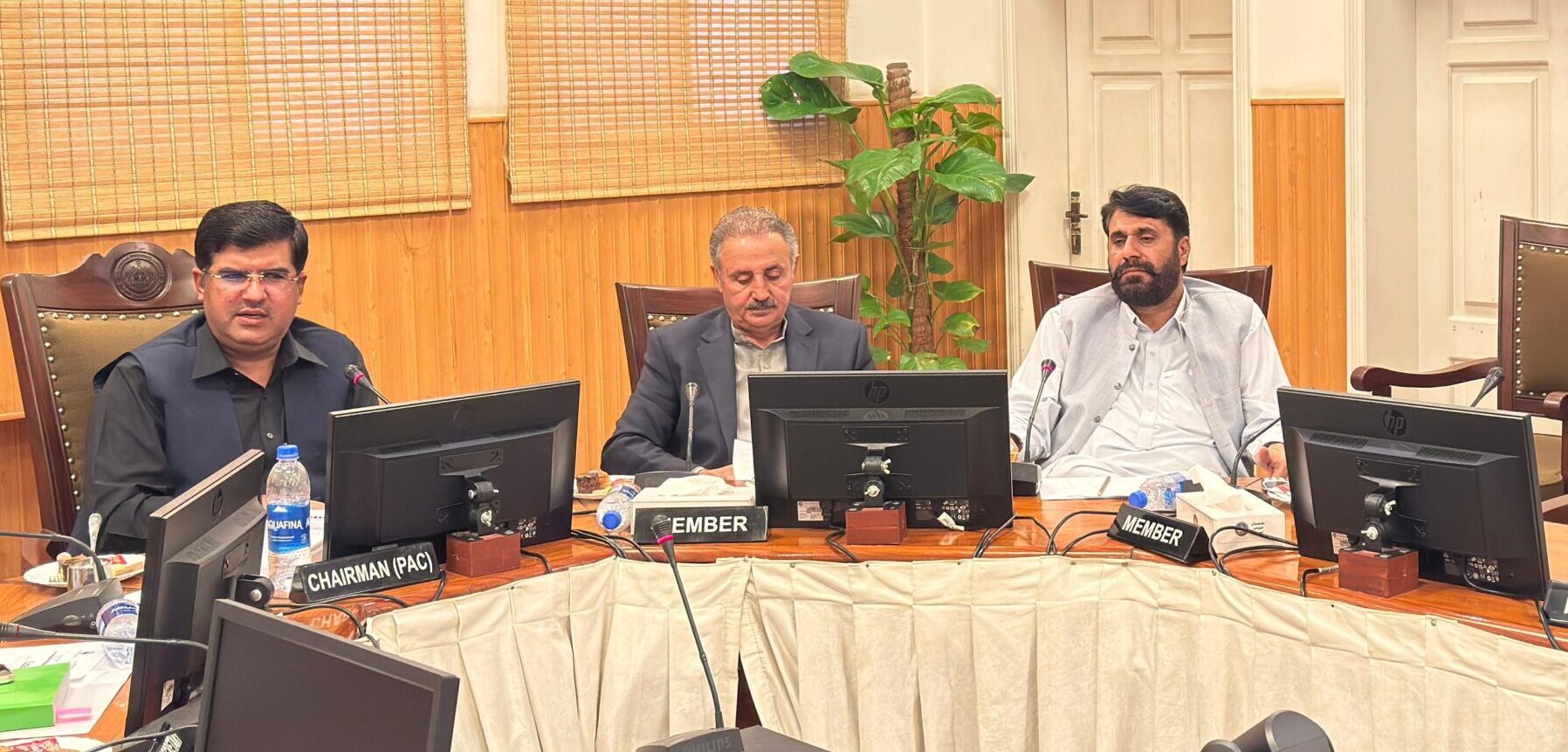
The bill came under detailed discussion during a meeting of the Standing Committee at the Balochistan Provincial Assembly Secretariat, where members also raised concerns over groundwater depletion, water management, institutional accountability and the performance of water and sanitation authorities.
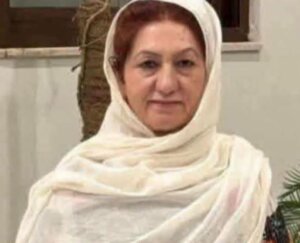
Maulana Noorullah was elected chairman of the committee with the approval of its members and presided over the meeting after his election. Committee members Maulana Hidayat-ur-Rehman and Shahida Rauf also attended the session.
The meeting reviewed the Balochistan Public Health Engineering Bill, 2026 (Bill No. 20 of 2026), which seeks to establish a comprehensive legal framework for drinking water supply, sanitation, wastewater management and regulation across the province.
The proposed law includes provisions for regulating groundwater extraction, protecting water resources, establishing a Provincial Groundwater Regulatory Board and creating district-level water supply and sanitation groups.
It also proposes measures for the effective operation and maintenance of rural and urban water supply schemes, wastewater treatment, safe reuse of treated water, and regulation of water tariffs, billing and collection.
During the discussion, committee members stressed that the proposed law should ensure accountability of government officials as well as citizens. They called for clearly defined responsibilities for relevant officers and officials and demanded a mechanism for action against those who fail to perform their legally assigned duties.
The members proposed incorporating provisions for disciplinary action under the Balochistan Employees Efficiency and Discipline (PEEDA) Act, 2011, where applicable.
The committee also expressed serious concern over the declining groundwater level in Quetta and other parts of Balochistan, warning that the province’s water resources were facing increasing pressure.
Members called for effective regulation of private tube wells and other groundwater extraction points, particularly those operating at homes and private properties, to prevent the uncontrolled depletion of underground water reserves.
Maulana Noorullah cast his vote against the bill, maintaining that it was not in the public interest. He said the fundamental responsibility of the committee was to safeguard the rights and interests of the people.
Maulana Hidayat-ur-Rehman also emphasized that elected representatives were responsible for protecting public interests. He questioned the performance of Quetta WASA and other relevant institutions, stressing the need for transparency, accountability and efficient utilization of public funds.
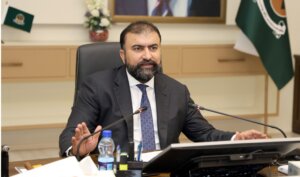
Assembly Secretary Tahir Shah Kakar, Special Secretary Abdul Rahman, Additional Secretary Law Saeed Iqbal, officials from the Public Health Engineering Department and Assembly Secretariat staff also participated in the meeting.
The committee members maintained that any legislation concerning drinking water and sanitation in Balochistan must prioritize public welfare, institutional accountability, transparency and the long-term protection of the province’s natural water resources.