By Ali Hamza Khan:
Social media has become a central part of modern life, particularly for young people. From checking notifications after waking up to scrolling through TikTok, Instagram, Facebook and Snapchat before going to sleep, digital platforms increasingly shape how young people communicate, study, form relationships and perceive themselves.
Although social media offers opportunities for learning, networking and entertainment, its excessive use can also raise concerns about mental health, loneliness, anxiety and declining self-esteem. Behind the attractive photographs, trending videos and carefully edited lifestyles lies an important question: are young people becoming more connected digitally while growing more isolated in their real lives?
For the youth of Balochistan, this question deserves particular attention as digital platforms become an increasingly important source of communication, entertainment and social acceptance.
Social Media and Youth Mental Health: The Loneliness Paradox
Social media promised to bring people closer together by removing geographical barriers. Today, a student in Quetta can communicate instantly with someone in Canada, exchange ideas and develop friendships across cultures. These platforms have made information and communication more accessible than ever before.
However, online connectivity does not always provide the emotional support that people need.
Young people may have hundreds or thousands of followers but still struggle to find someone who will listen when they experience academic failure, family difficulties, heartbreak or emotional distress. An online audience does not necessarily translate into a dependable support network.
Face-to-face communication offers forms of connection that digital interaction may not fully reproduce, including body language, personal presence, empathy and the reassurance of being genuinely heard.
This does not mean online friendships are meaningless. Rather, it highlights the importance of balancing digital relationships with meaningful interaction in everyday life.
Social Media Comparison and Low Self-Esteem
One of the major concerns surrounding social media and youth mental health is the pressure to compare personal lives with the carefully selected experiences of others.
Instagram feeds and short-form videos often showcase expensive clothes, successful careers, university achievements, holidays in Ziarat and apparently perfect lifestyles. The financial difficulties, disappointments and personal struggles behind these images are much less visible.
When young people in Balochistan compare their everyday circumstances with these idealised portrayals, they may begin to feel unsuccessful, unattractive or left behind.
This comparison can contribute to low self-esteem and the fear of missing out, commonly known as FOMO. Young users may feel that other people are enjoying better lives, achieving greater success and building stronger relationships.
The pressure to appear attractive, wealthy, popular or constantly happy can make social media emotionally exhausting. Some users begin to judge their worth by the number of likes, comments and shares their posts receive. A post that attracts little attention may lead to disappointment, embarrassment or self-doubt.
When external approval becomes the main measure of personal value, confidence can become dependent on the reactions of strangers rather than individual abilities, character and achievements.
Young people need to understand that social media displays selected moments, not the complete reality of someone’s life.
Social Media Addiction, Sleep and Concentration
Excessive social media use can become a difficult habit to control. Features such as endless scrolling, personalised recommendations, frequent notifications and unpredictable feedback encourage users to return to their screens repeatedly.
Likes, comments and other forms of digital recognition can activate the brain’s reward system, reinforcing the desire to check notifications and seek further engagement. For some users, this pattern can interfere with everyday responsibilities.
Students are particularly vulnerable when social media begins to affect their sleep, academic concentration and family relationships.
Using a phone late at night can delay bedtime and disrupt healthy sleep routines. Frequent interruptions from notifications can make it harder to concentrate on lectures, assignments and examination preparation.
A student who repeatedly switches between studying and social media may struggle to maintain focus, while excessive screen time can reduce opportunities for physical activity and in-person interaction.
The impact extends beyond academic performance. Families may spend time together in the same room while remaining absorbed in separate digital conversations. As a result, opportunities for meaningful discussion and emotional support can diminish.
Healthy digital habits are therefore essential to maintaining a balance between technology, education, rest and personal relationships.
Why Young People in Balochistan Seek Belonging Online
At the heart of social media use lies a basic human need: belonging.
Every young person wants to feel accepted, respected and valued. Young people also need opportunities to express themselves, explore their interests and develop a sense of identity.
In many communities across Balochistan, opportunities for organised recreational activities, youth clubs, cultural programmes and accessible mental health services may be limited. Some young people also find it difficult to discuss emotional challenges openly with parents, teachers or other adults.
When meaningful support is difficult to find at home, in universities or within local communities, online platforms can become an alternative source of companionship and acceptance.
Digital communities can offer genuine benefits. They allow young people to share creative work, learn new skills, discuss common interests and connect with others who understand their experiences.
However, not every online community promotes healthy relationships. Some expose young users to cyberbullying, hateful content, unrealistic beauty standards and harmful social pressures.
In an effort to gain acceptance, young people may change their opinions, appearance or behaviour to match the expectations of online groups. Over time, the desire to fit in can weaken their confidence in their own identity.
Addressing this challenge requires more than asking young people to spend less time on their phones. It also requires creating supportive environments where they can find friendship, recognition and purpose in real life.
How to Improve Digital Well-Being Among Young People
Reducing the harmful effects of social media does not require abandoning technology altogether. Digital platforms can support education, professional development, social awareness and creative expression when used responsibly.
The priority should be to promote digital well-being and help young people develop healthier relationships with technology.
What Young People Can Do
Young users can begin by setting realistic screen-time limits, switching off unnecessary notifications and avoiding excessive phone use before bedtime. They should also review the accounts they follow and prioritise content that supports learning, creativity and personal growth.
Taking regular breaks from social media can provide more time for studying, exercise, reading and spending time with friends and family.
Joining a sports team, participating in a literary society, learning a practical skill or meeting friends without constantly checking a phone can help strengthen real-world relationships.
Young people should also remember that their personal worth cannot be accurately measured through followers, likes or online popularity.
The Role of Parents and Teachers
Parents and teachers have an important role in protecting youth mental health. However, criticism, punishment and comparisons with other children may discourage young people from discussing their difficulties.
Instead, adults should encourage open conversations, listen without immediately passing judgement and take emotional distress seriously.
Changes in behaviour, persistent withdrawal or signs of anxiety should prompt a supportive conversation rather than automatic criticism. Where emotional difficulties persist, professional mental health support may be appropriate.
Schools and colleges should also help students understand responsible social media use, online privacy, cyberbullying and the importance of seeking help when they feel overwhelmed.
Creating an environment in which young people can talk openly about loneliness and emotional distress is an important step towards reducing stigma around mental health.
What Universities in Balochistan Should Do
Universities, including the University of Balochistan, can play a constructive role in promoting student mental health and digital awareness.
Educational institutions should work towards providing accessible and confidential counselling services, organising regular awareness sessions on digital well-being and offering guidance on managing online pressure.
Universities can also strengthen campus life by expanding opportunities for sports, debates, literary activities, cultural events, student societies and community service.
These activities can help students develop friendships, discover their interests and feel connected to a wider community.
For students who struggle with isolation, a supportive campus environment can provide opportunities to build confidence and relationships beyond the digital world.
The Responsibility of Society and Policymakers
Promoting youth mental health is not solely the responsibility of individuals and their families. Educational institutions, community organisations, technology companies and policymakers also have a role to play.
Digital platforms should take concerns such as cyberbullying, harmful content and excessive engagement seriously. Communities and public institutions should also invest in recreational facilities, youth development programmes and accessible mental health support.
In Balochistan, where young people represent an important source of future social and economic progress, investing in their well-being is an investment in the province itself.
Conclusion: Real Relationships Matter More Than Online Likes
The youth of Balochistan possess talent, creativity and the ability to contribute meaningfully to society. Their value does not depend on their appearance in filtered photographs, the number of followers they attract or the popularity of their online posts.
Social media can be a useful tool, but it should not become the principal measure of happiness, success or self-worth.
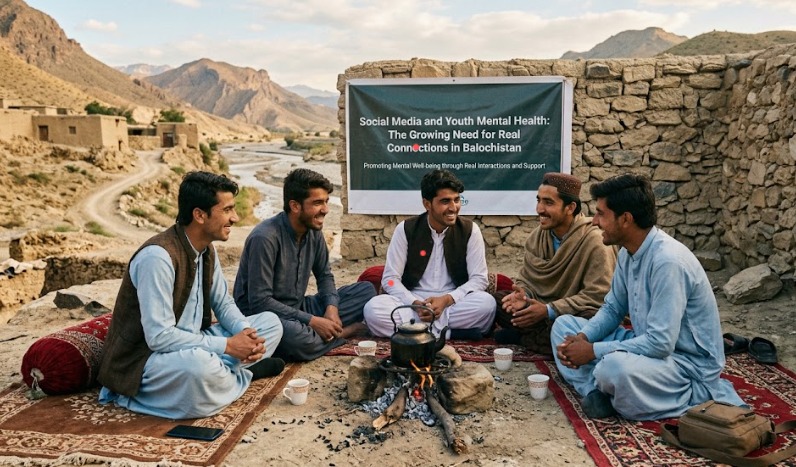
Young people need genuine friendships, emotional support, opportunities to develop their abilities and environments in which they can express themselves without fear of rejection. These needs cannot always be fulfilled through a screen.
Families, universities and communities must work together to ensure that digital connectivity complements rather than replaces human relationships.
The real measure of connection is not how many people follow us online, but whether we have someone who listens when we are struggling, supports us during difficult moments and accepts us for who we are.
Young people should be encouraged to use technology wisely, protect their mental health and build meaningful relationships in their everyday lives.
The goal is not to disconnect from the digital world, but to reconnect with ourselves and the people around us.