Syed Ali Shah, Our Correspondent, News Desk
QUETTA — Questions surrounding the operational status of key trade routes along the Pakistan-Iran border remain a point of discussion for commercial operators, as local dealers navigate restricted cross-border traffic following disruptions earlier this month.
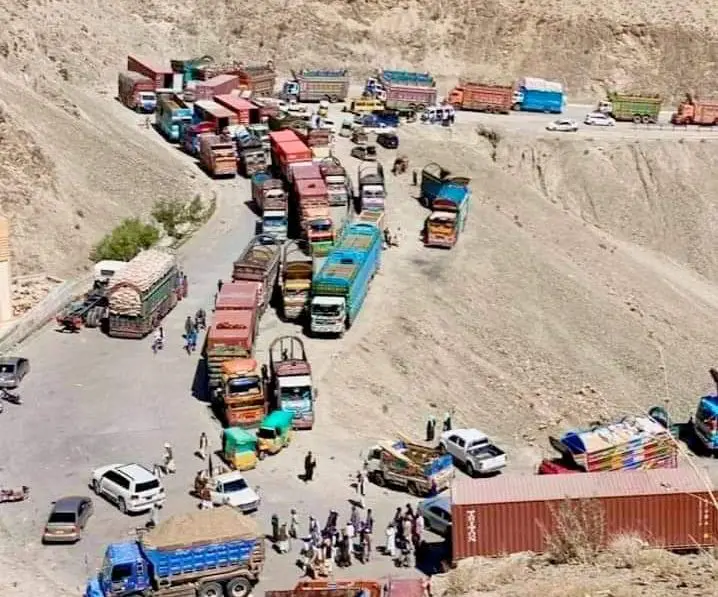
Uncertainty over the status of trade flows began following a formal pause in routine border crossings on October 16. While limited vehicular traffic has recently been observed at major border stations, local Liquefied Petroleum Gas (LPG) dealers clarify that a full reopening of commercial trade has not taken place.
According to trade representatives, entry permissions have been granted on a restricted basis to clear pre-processed freight. Importers noted that only trucks, containers, and tankers that had completed their customs documentation prior to the October 16 shutdown were permitted by border officials to cross into Pakistan.
Balanced Perspective: Trade Reality vs. Operational Status
- Trade Community View: Local LPG liquid petroleum gas dealers maintain that the border has not been formally reopened for fresh trade orders, raising concerns over domestic fuel inventory and supply chain continuity.
- Administrative Context: Cross-border clearances often involve complex security protocols, customs verification, and bilateral coordination between Islamabad and Tehran.
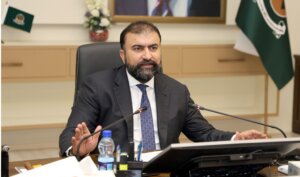
Repeated attempts to speak to officials in the Balochistan government for formal clarification were made; however, none responded or commented on the reported reopening of the border or the prospective timeline for resuming routine commercial activities.
Both neighboring nations share significant economic and diplomatic ties, and border trade plays a vital role in sustaining regional economies on both sides of the frontier. Stakeholders on both sides remain hopeful for official clarity to ensure smooth, secure, and regulated bilateral commerce.