From Our Correspondent :
GWADAR: A major environmental crisis is unfolding on the shores of Balochistan. A devastating crude oil spill has blanketed nearly 20 kilometers of Gwadar’s western coastline, sending shockwaves through environmental circles and leaving the local fishing community in deep distress.
The spill has already begun taking a visible toll on the region’s biodiversity. Tragically, dead sea turtles have been found washed ashore amidst the thick, black sludge—a heartbreaking indicator of the immediate danger to the Makran coast marine ecosystem.
Swift Action Mobilized in Gwadar
Responding to the unfolding disaster, Deputy Commissioner Gwadar, Naqeebullah Kakar, took immediate notice of the situation. He dispatched an emergency response team from the Gwadar Development Authority (GDA), spearheaded by Deputy Director Abdul Rahim Baloch, to assess the scope of the ecological damage.
In a race against time, cleanup crews from the Gwadar Municipal Committee have launched initial coastal restoration efforts, working tirelessly to scrape away the toxic oil residue from the sandy beaches.
What Caused the Gwadar Oil Spill?
While a definitive investigation is underway, environmental experts from the GDA have raised two primary theories regarding the source of the marine pollution:
Commercial Vessel Leakage: Preliminary assessments suggest the crude oil likely leaked from a commercial cargo ship, oil tanker, or maritime transit accident along the busy international shipping lanes near the Arabian Sea.
Rough Sea Weather:
Heavy western winds and strong ocean currents are believed to have acted as a catalyst, pushing the offshore oil slick directly onto the vulnerable beaches of Gwadar.
A Direct Threat to Local Fishing Livelihoods
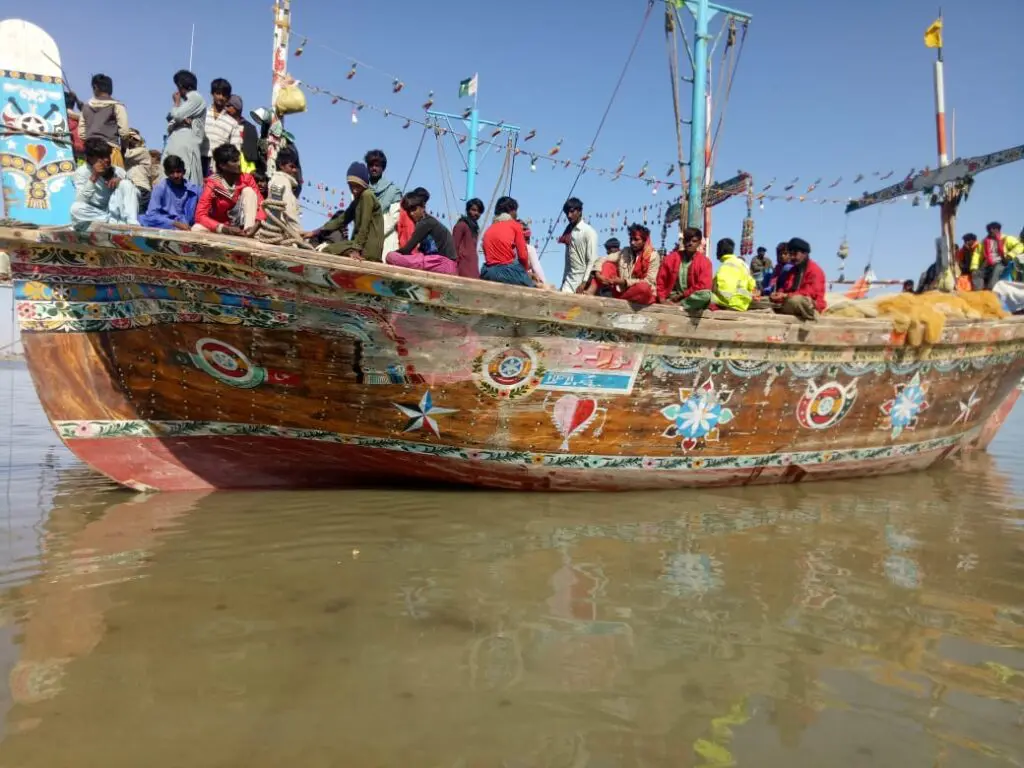
Beyond the catastrophic ecological impact, the spill strikes at the heart of Gwadar’s local economy. The region is heavily dependent on coastal fishing, and thousands of families rely on the ocean for their daily bread.
Local community leaders fear that the persistent toxic slick will:
Destroy fragile marine habitats and deplete fish stocks.
Stain and ruin expensive fishing nets and boat hulls.
Completely halt local fishing activities, triggering a severe economic crunch for indigenous fishermen.
”Protecting our delicate coastal ecosystem is the absolute priority of the district administration,” stated Deputy Commissioner Naqeebullah Kakar. He affirmed that all available resources have been deployed to ensure rapid cleanup, containment, and long-term environmental recovery.
The Road to Recovery
While local citizens and climate activists have praised the district administration’s rapid response, experts warn that the battle is far from over. Comprehensive marine testing, continuous coastal monitoring, and international accountability for shipping vessels are urgently needed to protect the pristine Balochistan coastline from future ecological disasters.