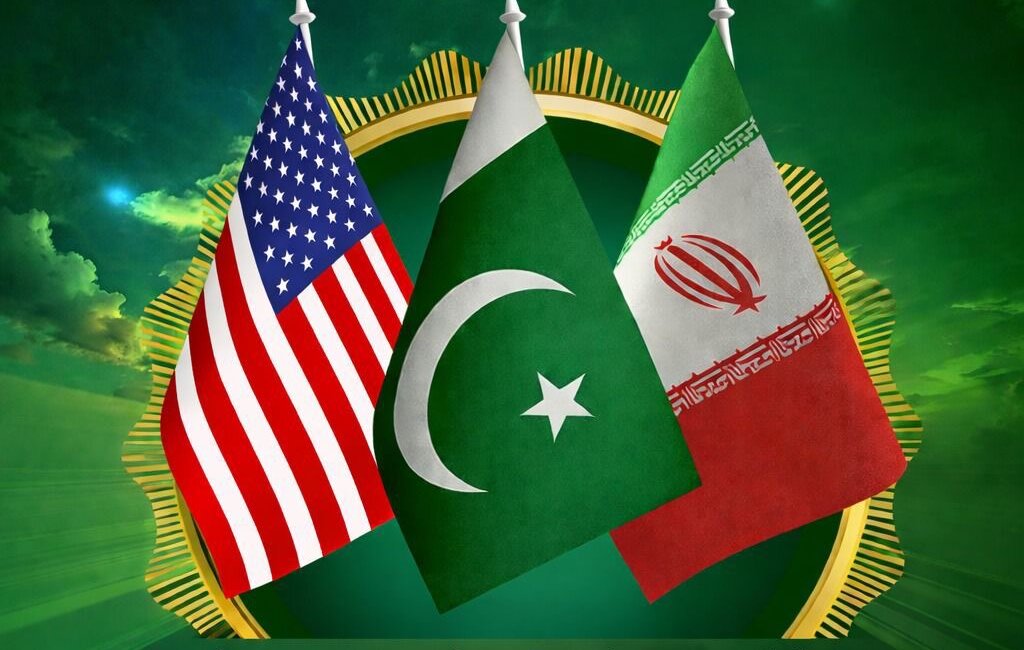
News Desk: Diplomatic momentum is building around extending the fragile ceasefire between Iran and the United States, with Pakistan taking a central role in mediation to prevent renewed conflict.
According to officials, extending the truce beyond its April 22 deadline, possibly by 45 days, has become critical to sustaining US–Iran talks and avoiding escalation in the Gulf. Tehran has expressed preference for Islamabad as the next venue, signaling trust in Pakistan’s role in facilitating sensitive negotiations.
Prime Minister Shehbaz Sharif said the ceasefire remains intact despite mounting pressure. He highlighted Pakistan’s intensive diplomatic engagement, including prolonged direct talks between US and Iranian officials, and ongoing efforts to resolve key sticking points.
The latest round of negotiations ended without a formal agreement, underscoring deep divisions. The United States is pushing for long-term restrictions on Iran’s nuclear programme and guarantees of secure maritime navigation through the Strait of Hormuz. Meanwhile, Iran is demanding sanctions relief, recognition of its nuclear rights, and firm guarantees before taking further steps.
Tensions have increased following reports of a potential US naval buildup in the region, which Tehran views as a violation of the ceasefire. Analysts warn that any miscalculation in the Strait of Hormuz could quickly trigger a wider crisis.
Deputy Prime Minister Ishaq Dar has reached out to global counterparts, including Wang Yi, to build international support for dialogue. These coordinated efforts aim to secure a ceasefire extension or resume technical-level talks, keeping US–Iran negotiations on track.